Convolvulus subsericeus
NameConvolvulus subsericeus
Scientific NameConvolvulus subsericeus
Common NamesSilky Bindweed
Plant FamilyConvolvulaceae
Natural HabitatNative to the Mediterranean region, North Africa, and parts of the Middle East, it thrives in dry, rocky, sandy soils, often found in disturbed areas, fields, and roadsides.
Parts Used
Traditional UsesTraditional medicinal uses for Convolvulus subsericeus are not widely documented. While some species within the Convolvulus genus have been historically used as strong purgatives, specific applications for C. subsericeus are unclear in ethnobotanical records.
Contraindications & WarningsDue to the lack of specific medicinal documentation and the known strong purgative properties of related Convolvulus species, internal use of Convolvulus subsericeus is generally not recommended without expert guidance. Potential contraindications could include pregnancy, lactation, gastrointestinal obstruction, and inflammatory bowel conditions.
Cultivation NotesThis species prefers full sun and well-drained, often poor or sandy soils. It is drought-tolerant and can be considered a weed in agricultural settings due to its vigorous growth.
Raritycommon
Description
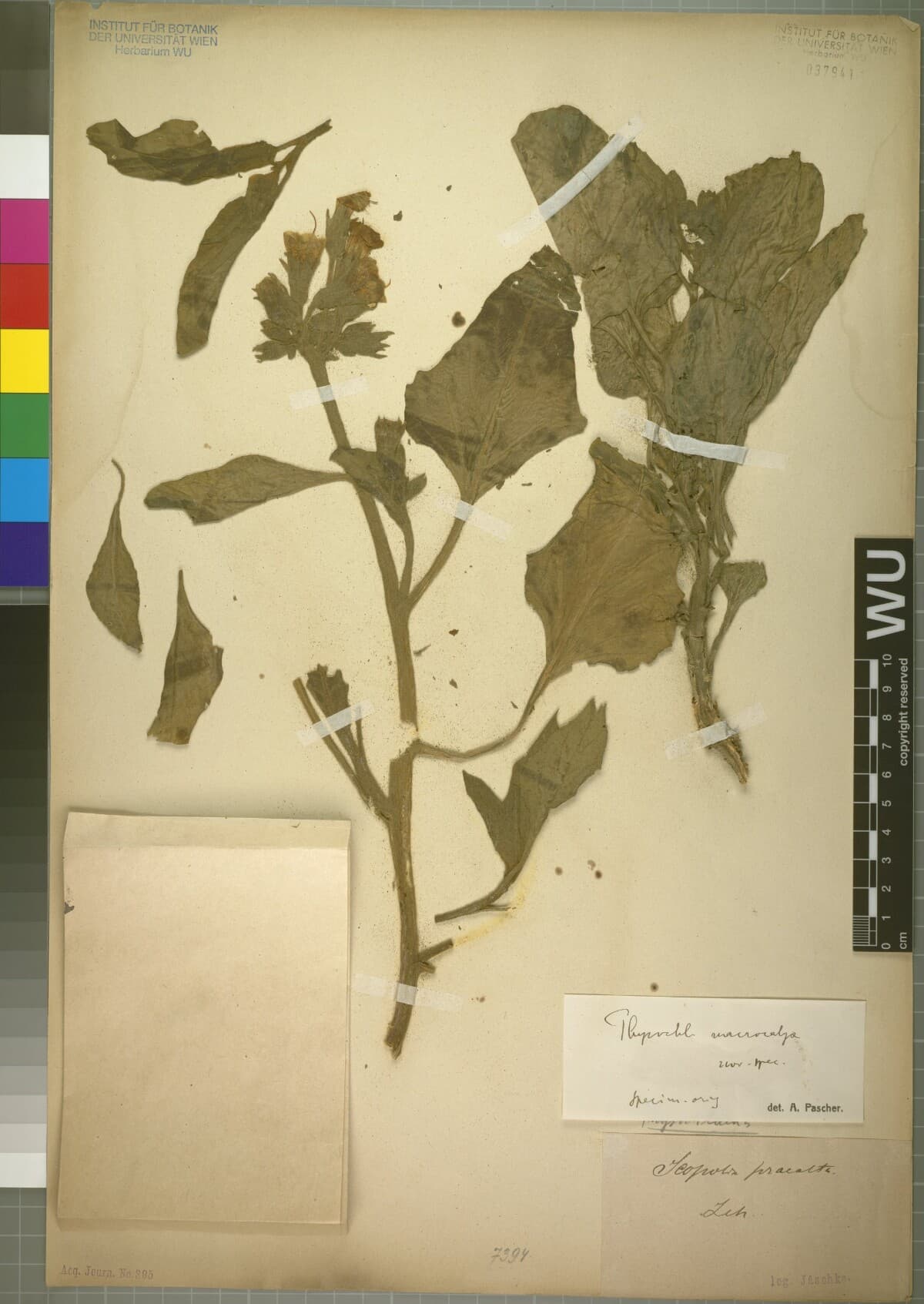
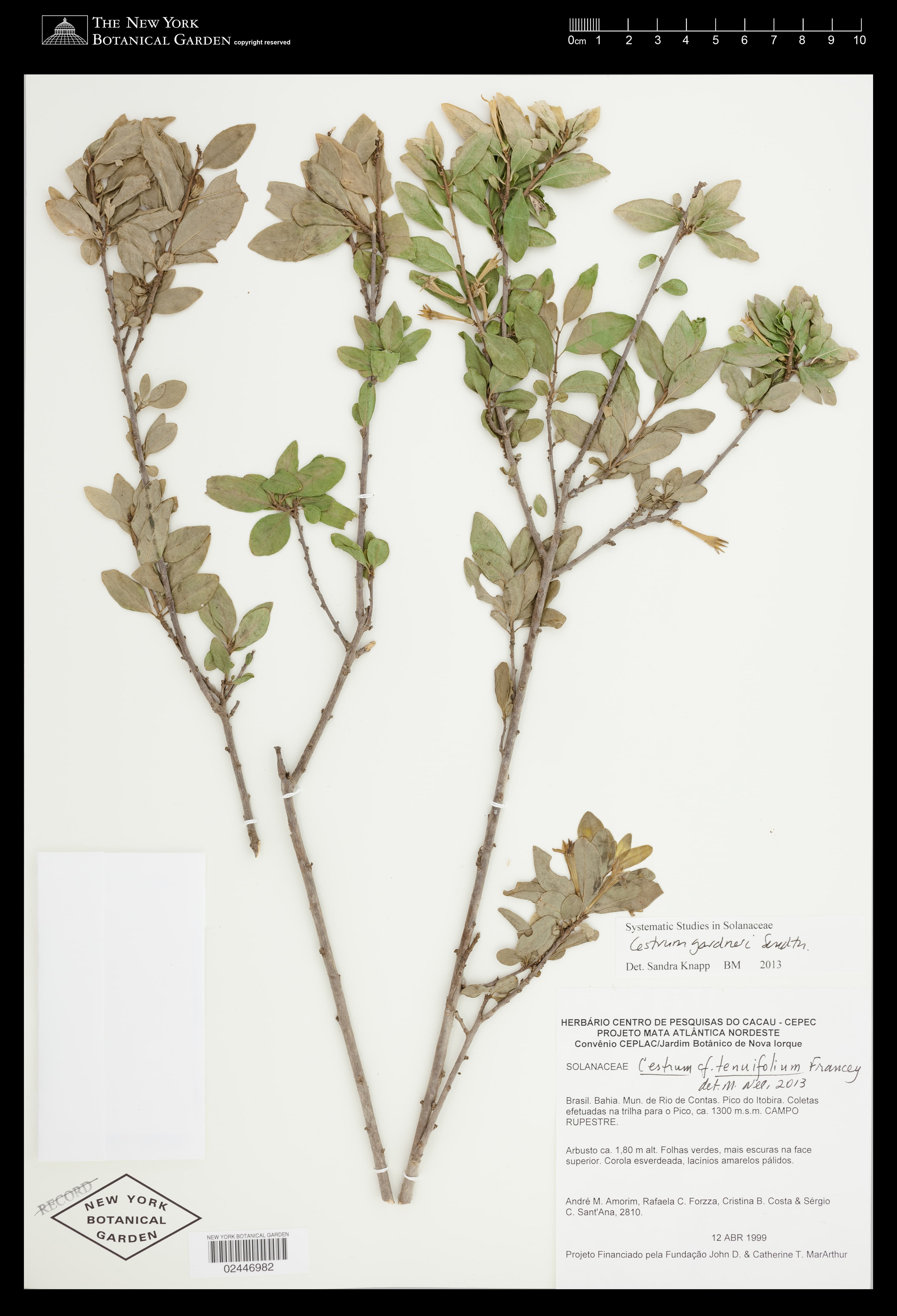
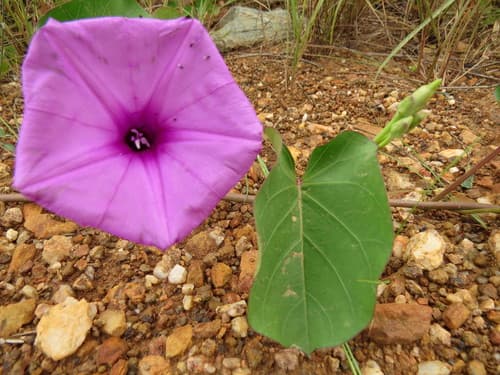
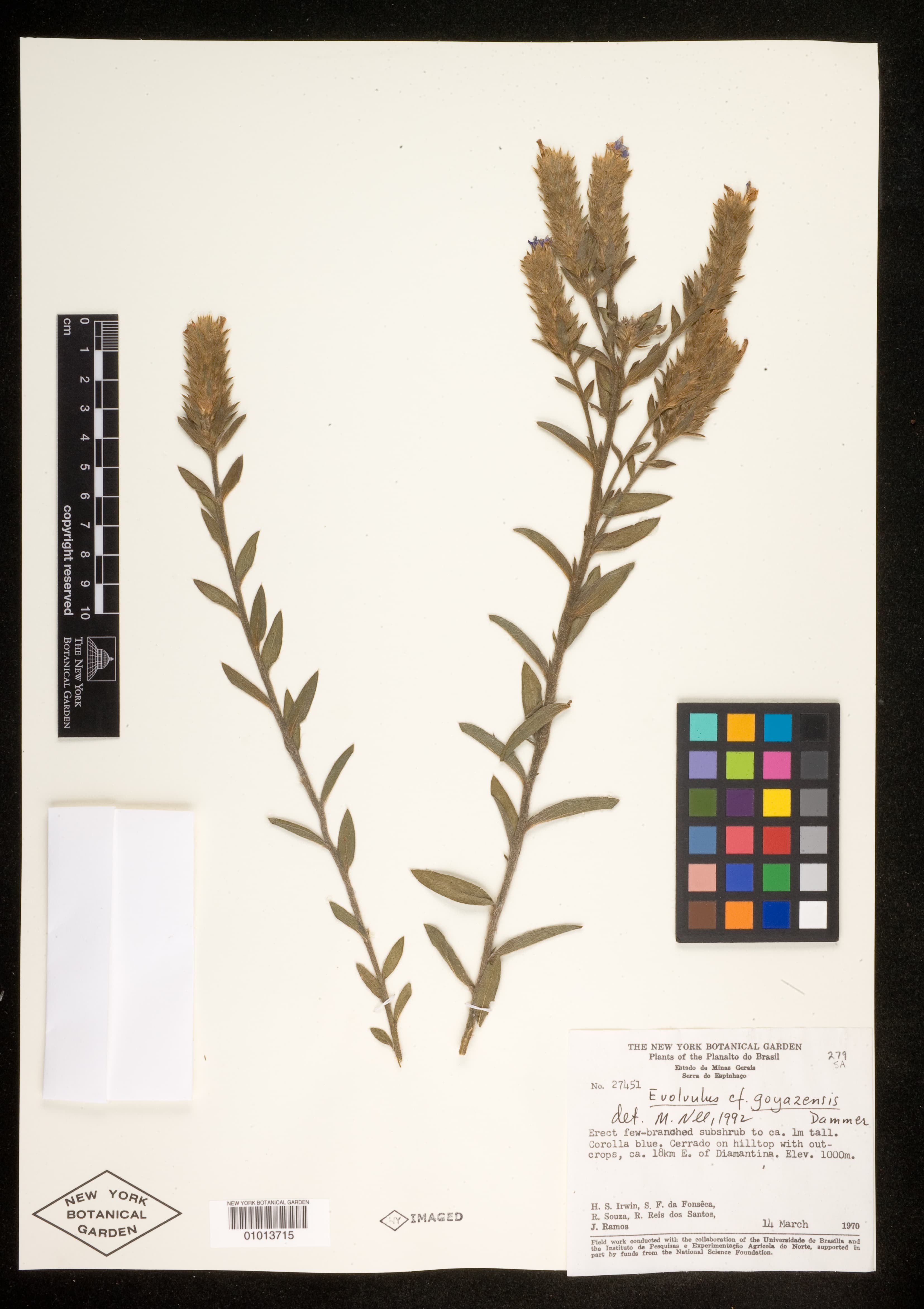
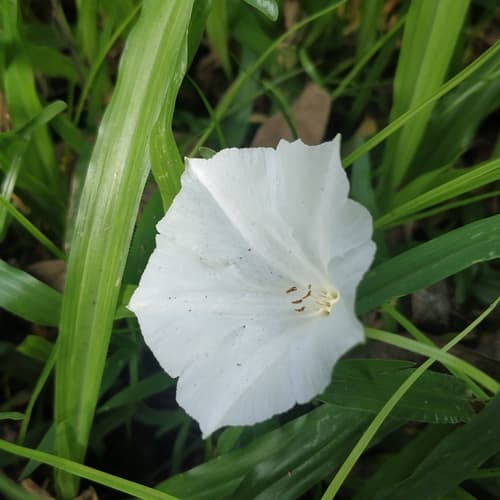
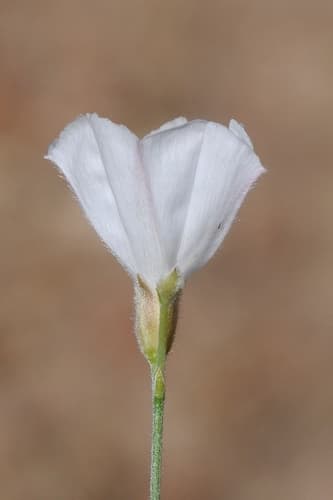
Convolvulus subsericeus is a herbaceous perennial characterized by its finely silky-hairy stems and leaves. It produces solitary or few white, funnel-shaped flowers with a hairy calyx, typical of the bindweed genus.