Anemone
Image: anneliese_retz (cc-by-nc)
NameAnemone
Scientific NamePulsatilla grandis
Common NamesPasque Flower, Great Pasque Flower, Eastern Pasque Flower, Anemone
Plant FamilyRanunculaceae
Natural HabitatNative to central and eastern Europe, this plant thrives in dry grasslands, rocky slopes, and open woodlands, showing a preference for calcareous soils.
Parts Usedwhole_plant
Medicinal Actionsanalgesic, nervine, sedative, anti-inflammatory
Traditional UsesTraditionally, Pulsatilla grandis has been used in homeopathy and folk medicine for nervous conditions, pain relief (especially neuralgia, toothache), menstrual disorders (dysmenorrhea), headaches, and insomnia. Due to its inherent toxicity, it is almost exclusively used in highly diluted homeopathic preparations or from carefully dried material under expert supervision.
Active ConstituentsProtoanemonin, anemonin, triterpenoid saponins, flavonoids
Preparation Methodstincture, powder
Contraindications & WarningsThis plant is highly toxic when fresh, capable of causing severe irritation to skin and mucous membranes, gastrointestinal upset, and cardiac issues. It is strictly contraindicated during pregnancy and lactation, and in individuals with heart conditions. Medicinal use should only occur under expert supervision, typically in homeopathic dilutions or from carefully processed, dried material.
Cultivation NotesPulsatilla grandis prefers full sun to partial shade and well-drained, alkaline to neutral soil. It is drought-tolerant once established and is typically propagated by seed, which requires cold stratification. Care should be taken not to disturb its roots once planted.
Rarityuncommon
Description
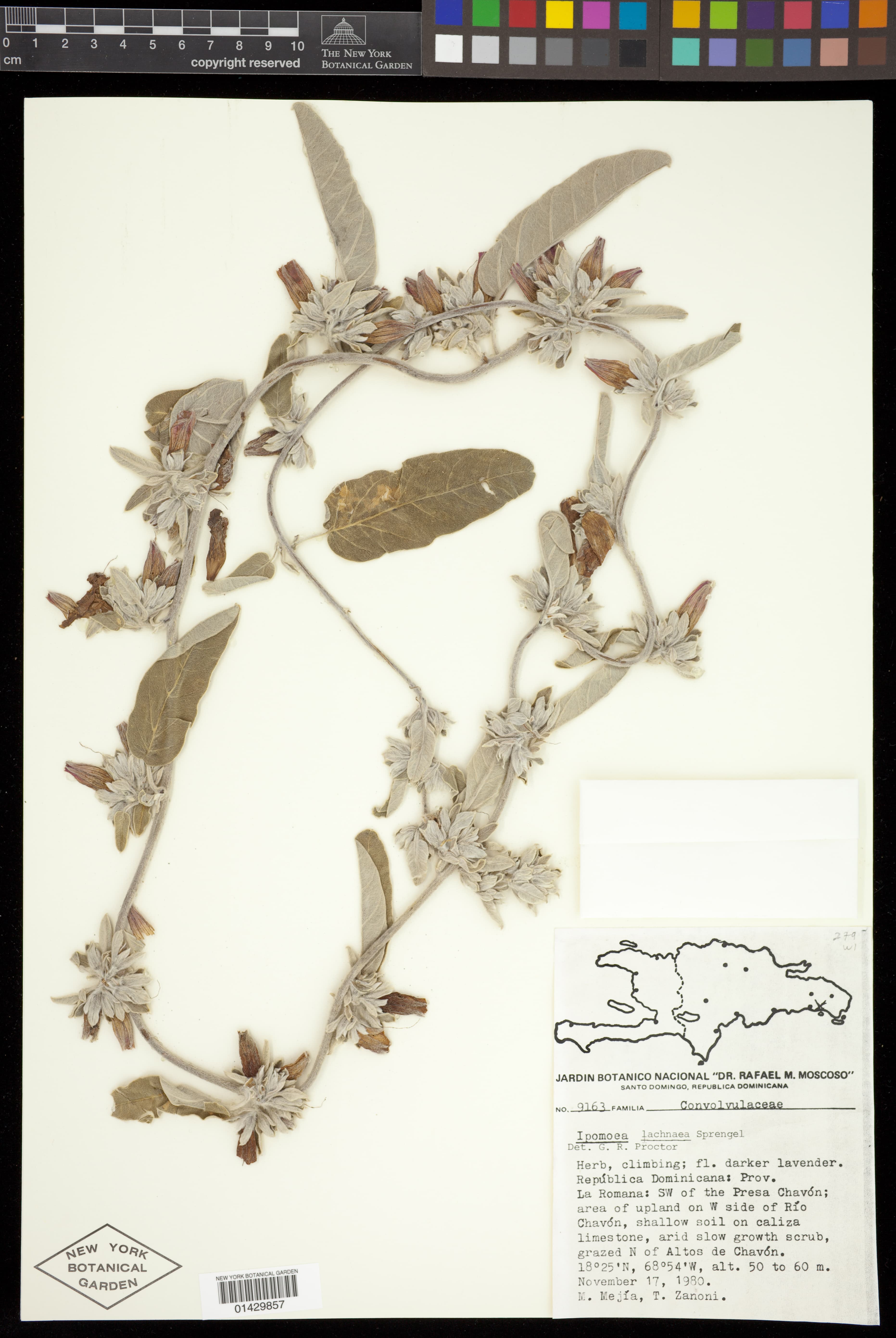
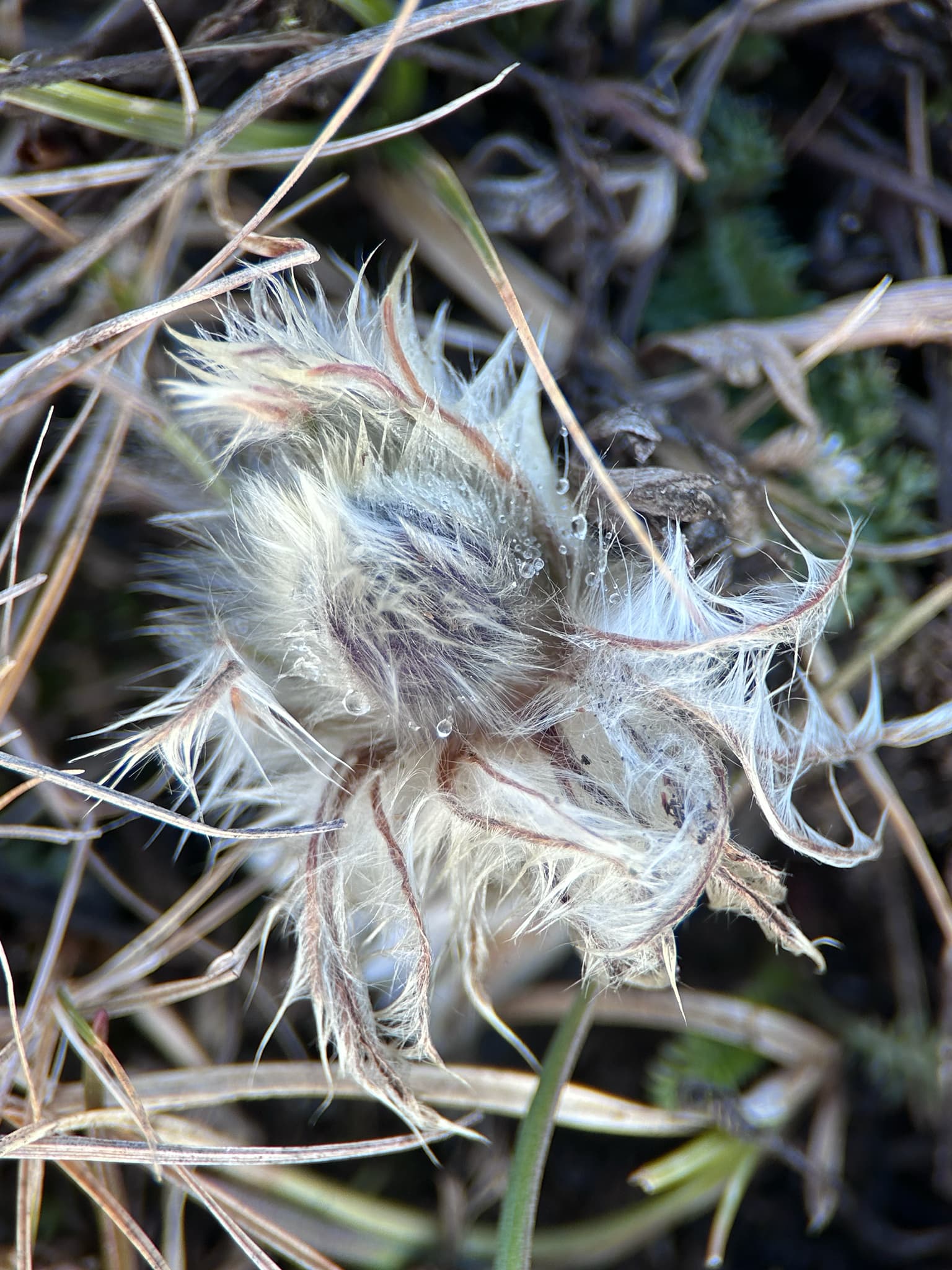
Pulsatilla grandis is a perennial herb characterized by its deeply dissected, fern-like leaves and large, bell-shaped flowers that emerge in early spring. The entire plant, especially the developing flower buds and fruits, is covered in soft, silvery, silky hairs, as vividly seen in the image.