Beach Moonflower
NameBeach Moonflower
Scientific NameIpomoea imperati
Common NamesBeach Moonflower, White Beach Morning Glory, Fiddle-leaf Morning Glory
Plant FamilyConvolvulaceae
Natural HabitatCoastal dunes, sandy beaches, and disturbed sandy areas in tropical and subtropical regions worldwide. It is highly tolerant of salt spray and sandy, nutrient-poor soils.
Parts Usedleaf,whole_plant
Medicinal Actionsanti-inflammatory, demulcent, diuretic
Traditional UsesIn some traditional coastal medicines, the leaves have been used topically as a poultice or wash for skin irritations, minor wounds, and insect bites due to their soothing and anti-inflammatory properties. Internally, it has been occasionally used as a mild diuretic or purgative, though less commonly than other Ipomoea species.
Active Constituentsflavonoids, phenolic acids
Preparation Methodsinfusion, poultice
Contraindications & WarningsGenerally considered non-toxic, but internal use should be approached with caution due to potential mild purgative effects. Pregnant or breastfeeding women and young children should avoid internal use.
Cultivation NotesThrives in full sun and well-drained sandy soils. Highly tolerant of salt spray and drought, making it ideal for coastal landscaping and dune stabilization. Propagates easily from seeds or cuttings.
Raritycommon
Description
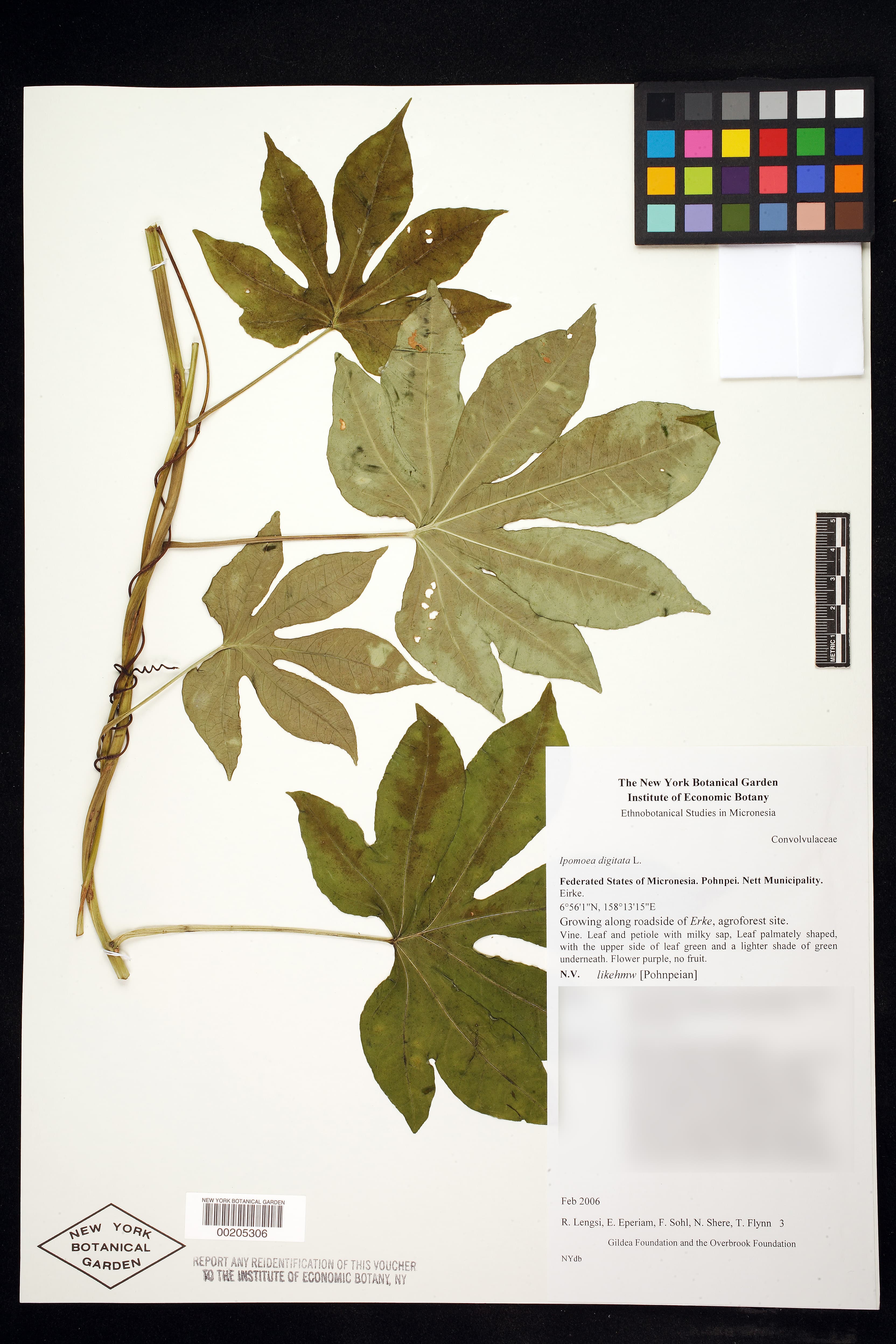
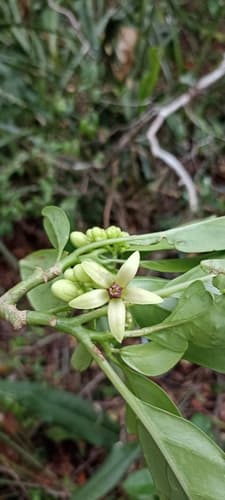
A sprawling or trailing perennial vine characterized by thick, somewhat fleshy, often fiddle-shaped leaves. It produces large, solitary, trumpet-shaped white flowers that typically open at night or in low light conditions.