Bahia Raintree
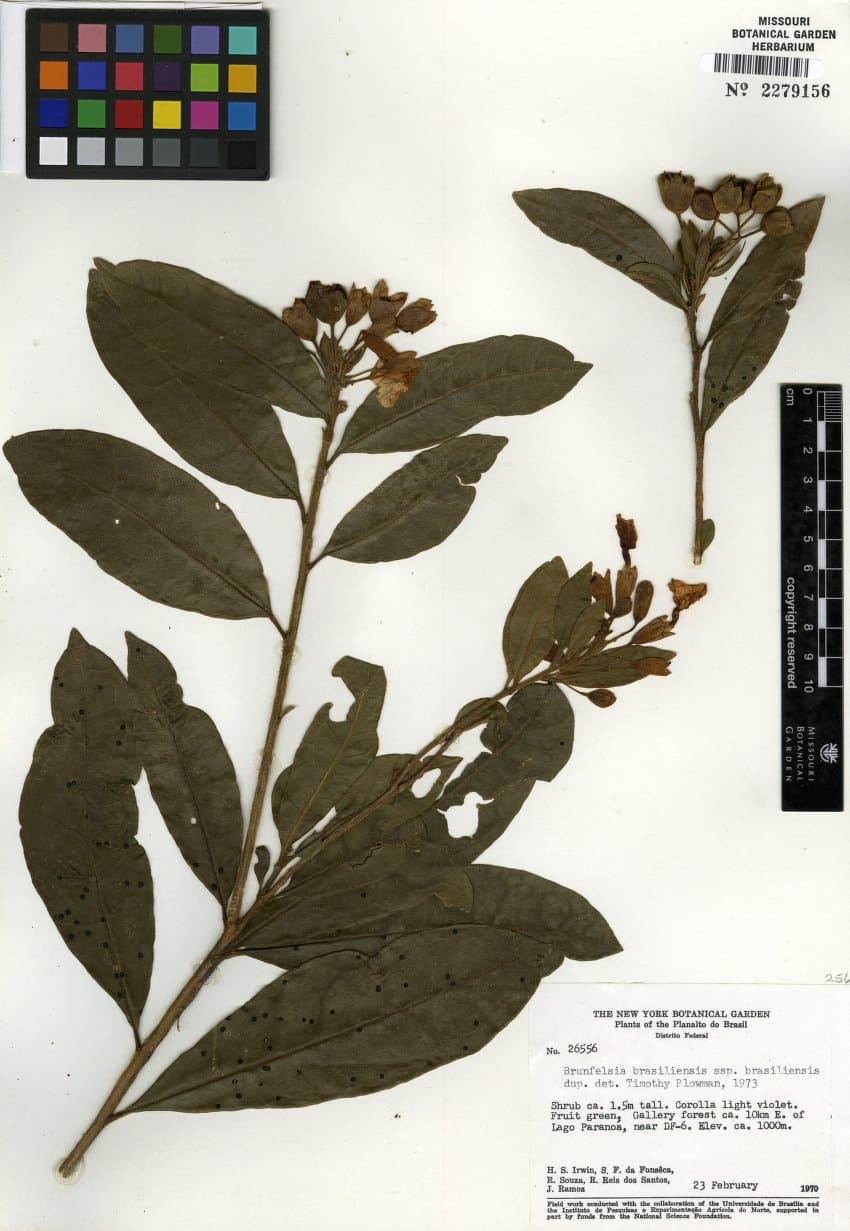
Image: MBG (cc-by-nc)
NameBahia Raintree
Scientific NameBrunfelsia bahiensis
Common NamesBahia Raintree, Brunfelsia
Plant FamilySolanaceae
Natural HabitatNative to Brazil, it thrives in tropical and subtropical climates, commonly found in gallery forests, cerrado, and caatinga biomes, often at elevations around 1000 meters.
Parts Usedroot,bark,leaf
Medicinal Actionsanalgesic, anti-inflammatory
Traditional UsesTraditionally, various parts of Brunfelsia bahiensis have been used by indigenous communities in Brazil as a potent purgative and emetic. It has also been employed in traditional medicine for treating fevers, rheumatism, and syphilis, though its use requires extreme caution due to its inherent toxicity.
Active Constituentsbrunfelsamidine, brunfelsine, scopoletin, coumarins, lignans
Preparation Methodsdecoction, tincture
Contraindications & WarningsAll parts of Brunfelsia bahiensis are considered toxic. Contraindications include pregnancy, lactation, children, individuals with liver or kidney conditions, and any internal use without strict expert supervision due to the risk of severe poisoning, including nausea, vomiting, tremors, and convulsions.
Cultivation NotesThis plant prefers tropical to subtropical climates with well-drained, fertile soil and partial shade. It can be cultivated as an ornamental shrub in suitable environments.
Rarityuncommon
Description
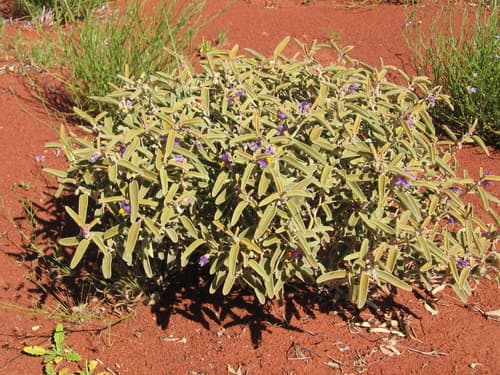
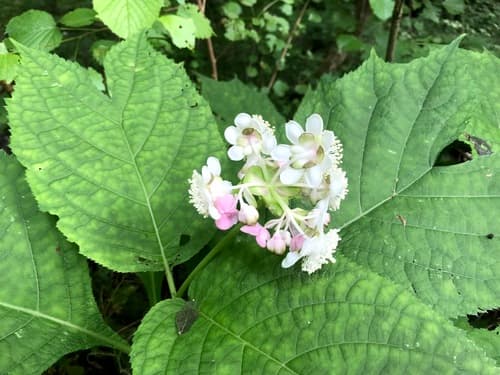
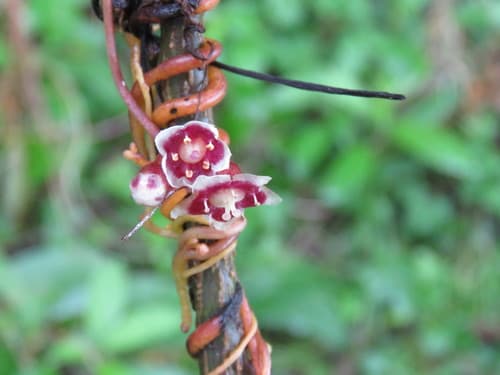
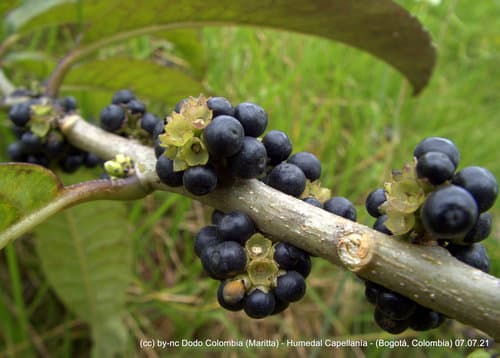
Brunfelsia bahiensis is a tropical shrub or small tree, typically growing up to 3 meters tall, characterized by simple, alternate, entire leaves. It produces fragrant, often violet flowers that fade to white, arranged in terminal or axillary clusters, followed by green, capsular fruits.