Desert Raisin
NameDesert Raisin
Scientific NameSolanum centrale
Common NamesDesert Raisin, Kutjera, Akudjura, Bush Tomato
Plant FamilySolanaceae
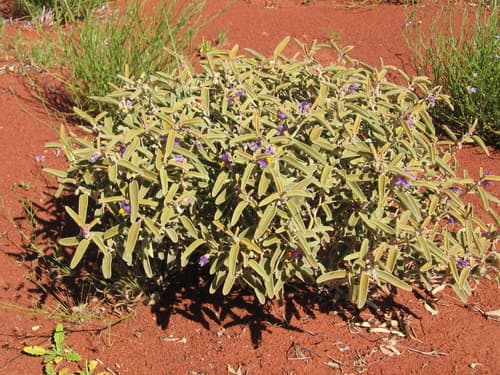
Natural HabitatArid and semi-arid regions of central Australia, thriving in sandy soils, often found in mulga or spinifex country.
Parts Usedfruit,leaf
Medicinal Actionsantioxidant, anti-inflammatory
Traditional UsesThe ripe fruits are a highly valued traditional food source for Indigenous Australians, eaten fresh or dried. They are traditionally consumed for general well-being and to alleviate symptoms of colds and flu. Leaves have been used topically for minor skin ailments.
Active Constituentsvitamins, minerals, dietary fiber, phenolic compounds
Preparation Methodspowder, poultice
Contraindications & WarningsGenerally considered safe when ripe fruits are consumed. Unripe fruits or other parts of the plant may contain solanine alkaloids, which can be toxic if ingested in large quantities. Exercise caution with non-fruit parts.
Cultivation NotesPrefers full sun and well-drained sandy or loamy soils. It is highly drought-tolerant once established and can be propagated from seed. Requires minimal watering.
Raritycommon
Description
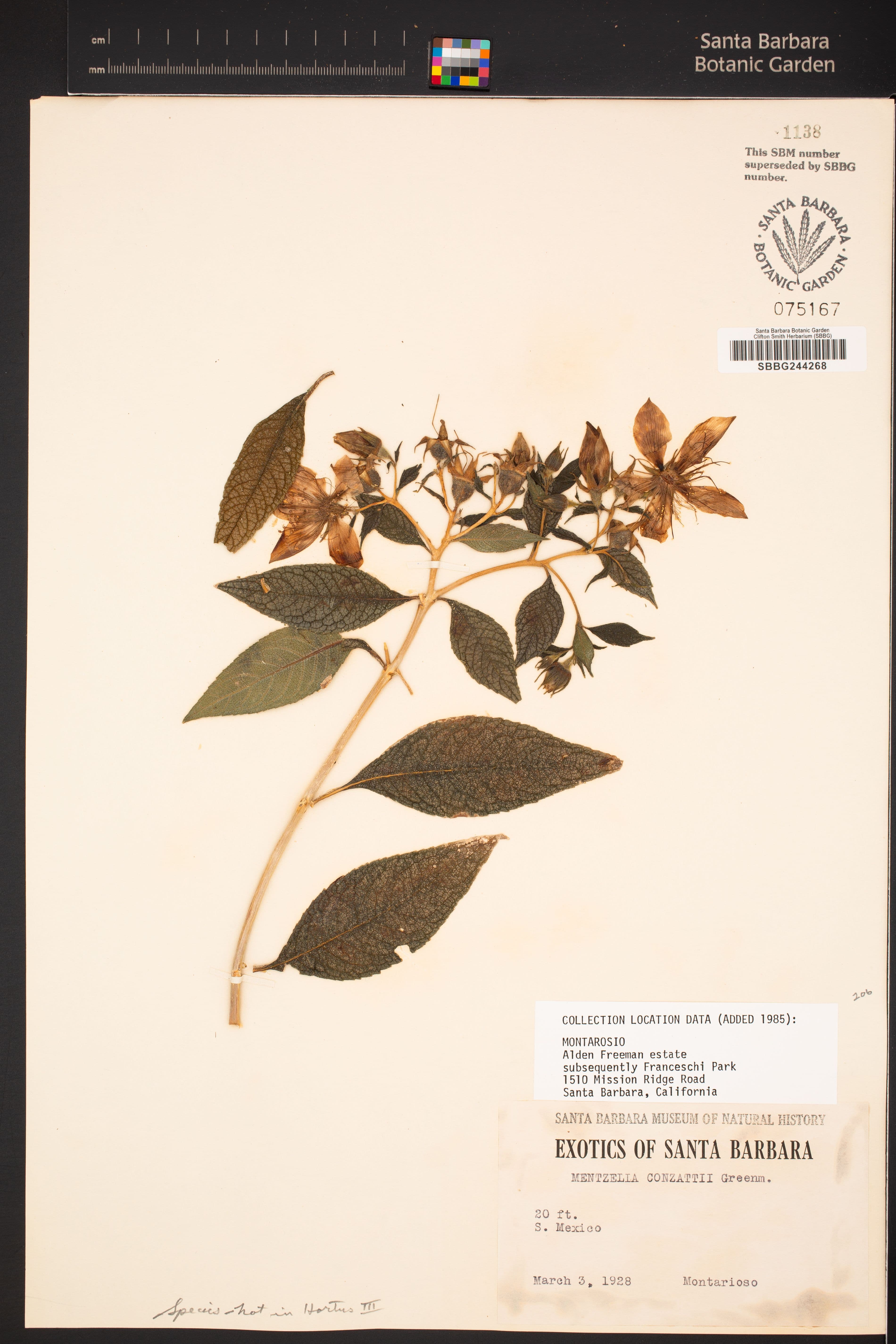
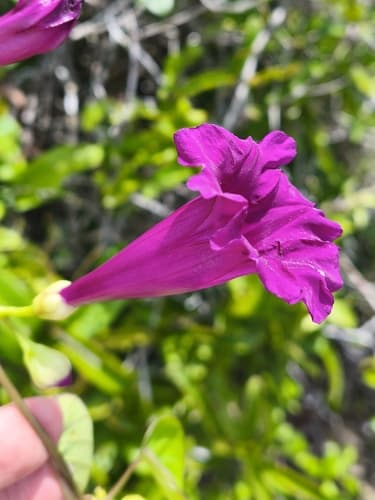
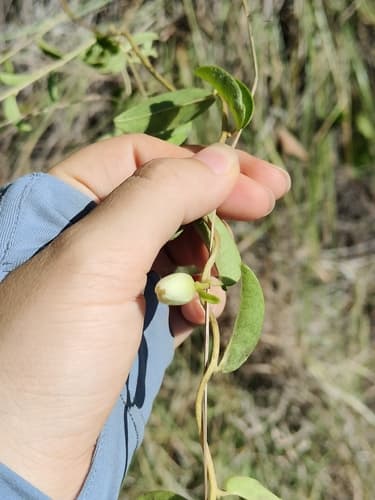
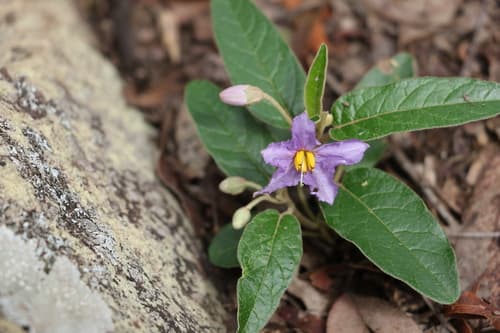
A small, sprawling perennial shrub native to arid regions, typically growing to 30 cm high with grey-green, velvety leaves. It produces small, star-shaped purple flowers followed by round, yellowish-brown fruits that resemble raisins when dried.