Mock Orange
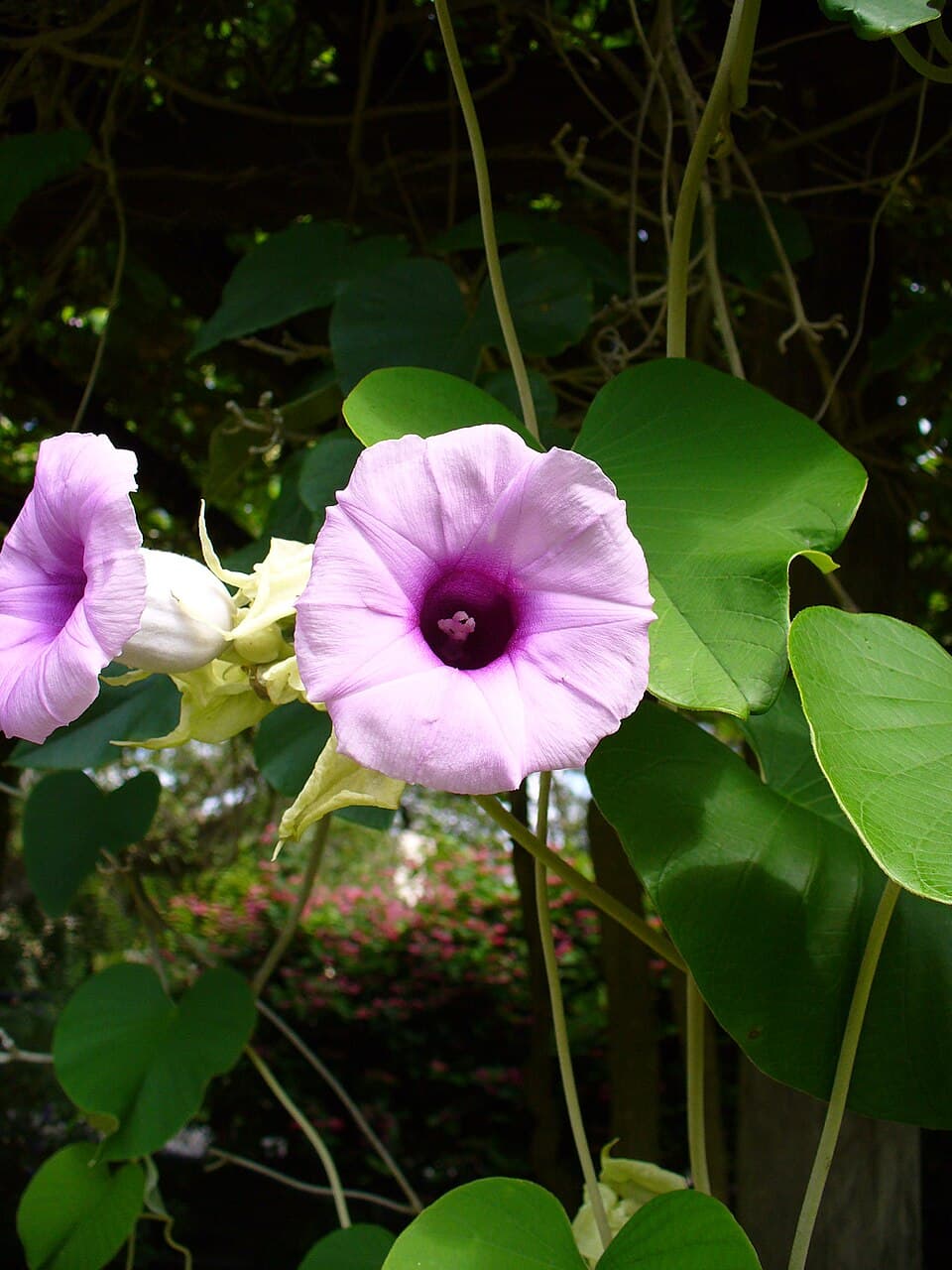
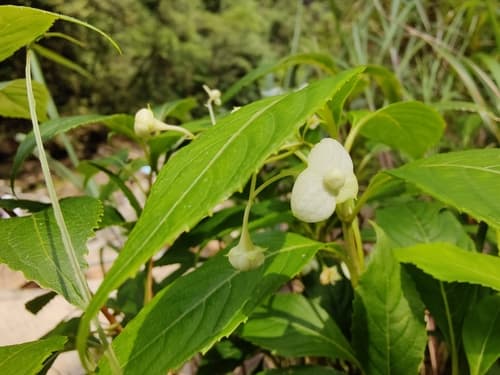
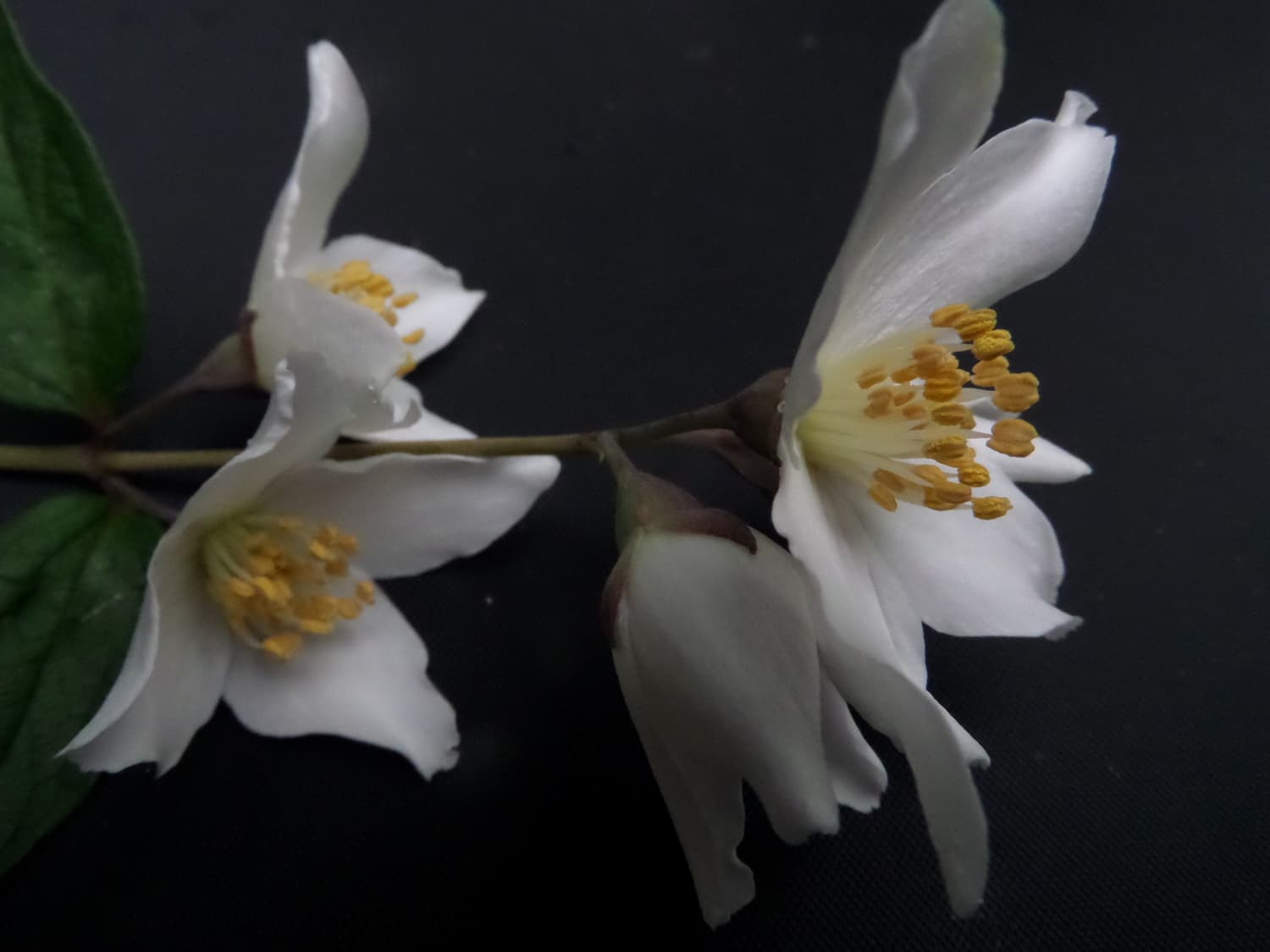
Image: Alan Elliott (cc-by-nc)
NameMock Orange
Scientific NamePhiladelphus calvescens (Rehder) S.M.Hwang
Common NamesMock Orange, Calvescent Mock Orange
Plant FamilyHydrangeaceae
Natural HabitatNative to central and western China, where it grows in thickets, on mountain slopes, and along stream banks at elevations between 1000 and 2500 meters.
Parts Usedflower
Traditional UsesWhile Philadelphus calvescens itself has no widely documented medicinal uses, some species within the Philadelphus genus, particularly P. coronarius, have been historically used in folk medicine for their fragrant flowers, sometimes added to baths or used as a mild "tonic" or diaphoretic, though these uses are not well-substantiated in modern herbalism.
Active Constituentsflavonoids, coumarins
Preparation Methodsinfusion
Contraindications & WarningsPhiladelphus species are generally considered ornamental and not for internal consumption. Ingesting large quantities, particularly of bark and leaves, may cause mild stomach upset. Consult a healthcare professional before any internal use.
Cultivation NotesThis hardy deciduous shrub thrives in full sun to partial shade and prefers well-drained soil. It is relatively low-maintenance and can be pruned after flowering to maintain shape.
Rarityuncommon
Description
A deciduous shrub known for its attractive white, often fragrant flowers that feature prominent yellow stamens. These blossoms typically appear in late spring to early summer, borne on arching stems.