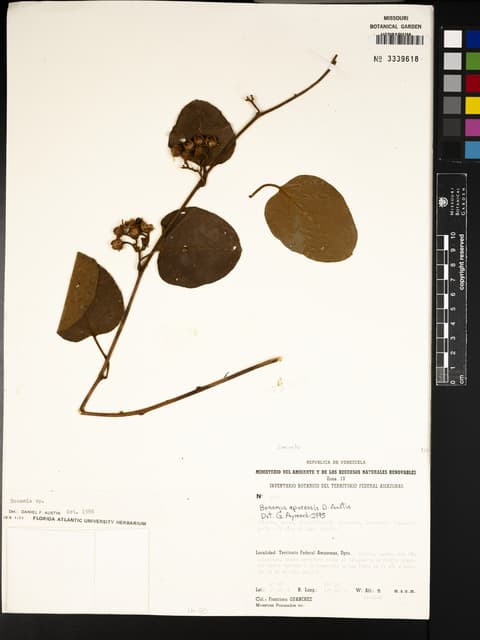
Hairy cluster-vine
NameHairy cluster-vine
Scientific NameJacquemontia paniculata
Common NamesHairy cluster-vine, Clustered bindweed, Hairy bindweed
Plant FamilyConvolvulaceae
Natural HabitatNative to tropical and subtropical regions of Asia, Africa, and Australia, often found in disturbed areas, open woodlands, grasslands, and along roadsides. It thrives in warm climates and well-drained soils.
Parts Usedwhole_plant,leaf
Medicinal Actionsanti-inflammatory, antimicrobial, antioxidant
Traditional UsesTraditionally, the plant has been used in some folk medicine systems for treating skin ailments, fevers, and certain digestive complaints. It is also sometimes employed as a purgative.
Active Constituentsflavonoids, steroids, triterpenoids, phenolic compounds
Preparation Methodsinfusion, decoction, poultice, powder
Contraindications & WarningsDue to its potential purgative effects, it should be used with caution during pregnancy, breastfeeding, or in individuals with severe gastrointestinal conditions. Consult a healthcare professional before use.
Cultivation NotesThis vigorous vine prefers warm climates and well-drained soil, tolerating a range of soil types. It can be propagated from seeds and is often considered a weed in some regions due to its rapid growth.
Raritycommon
Description
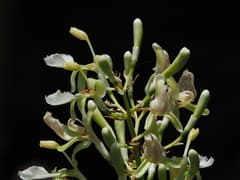
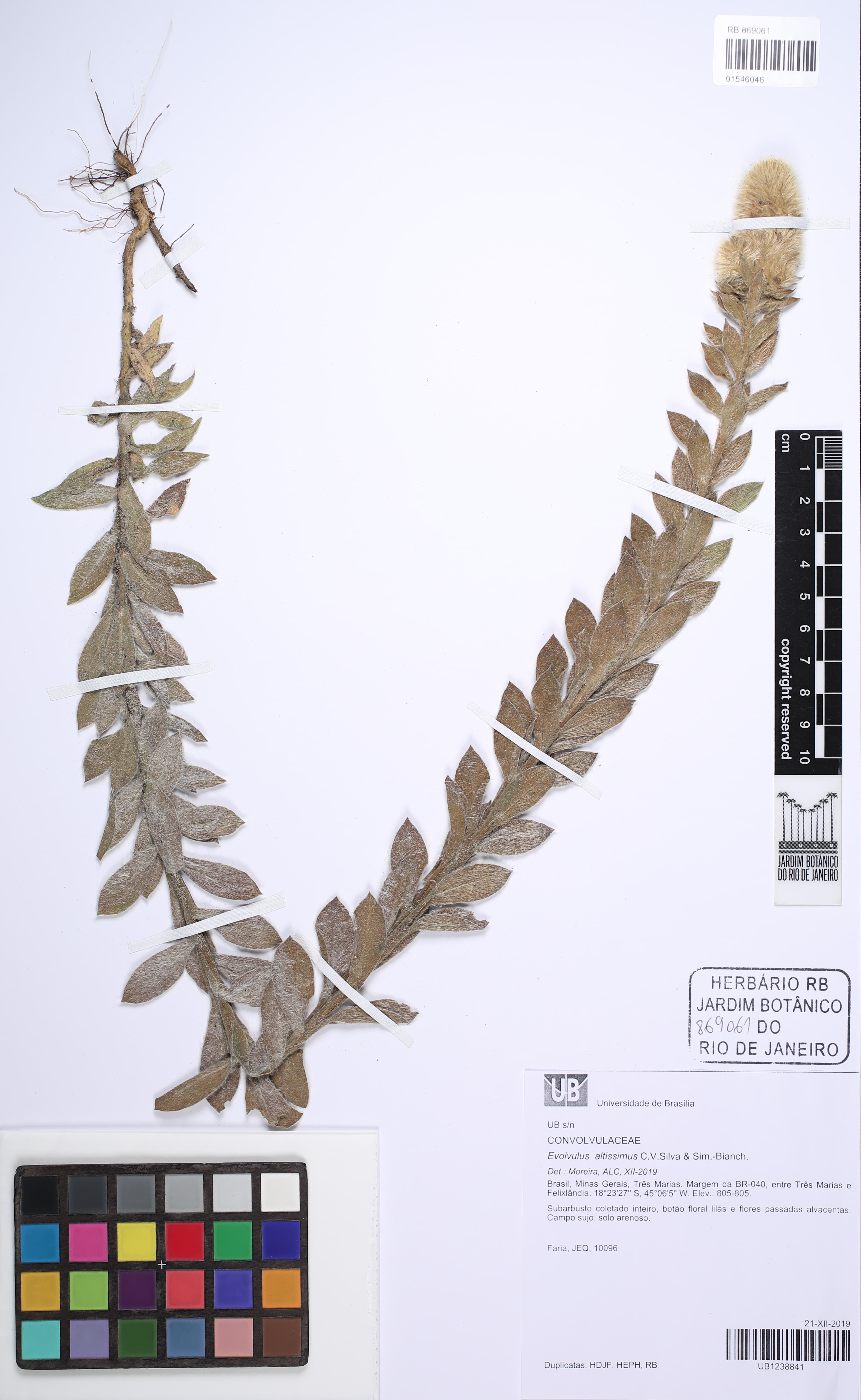
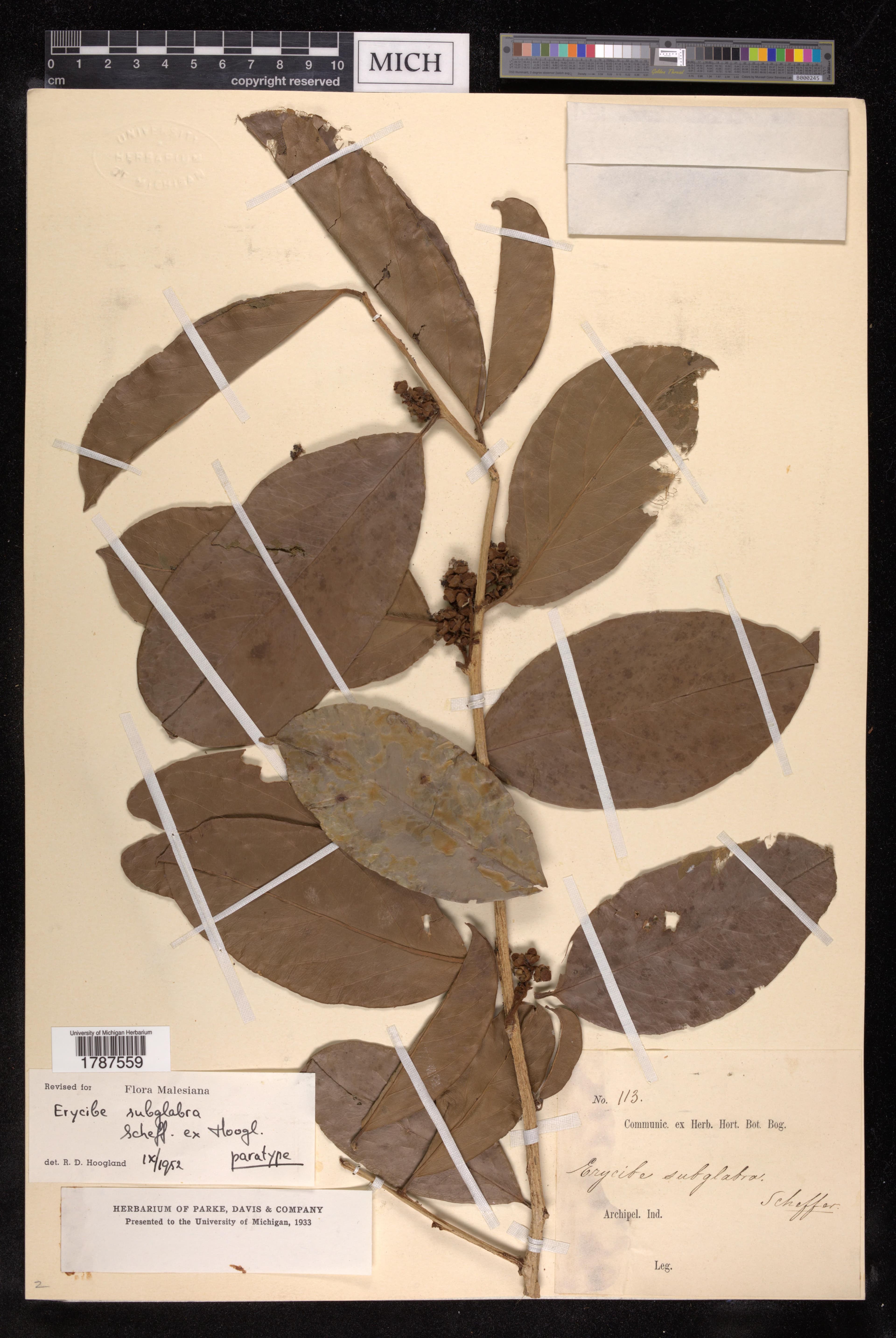
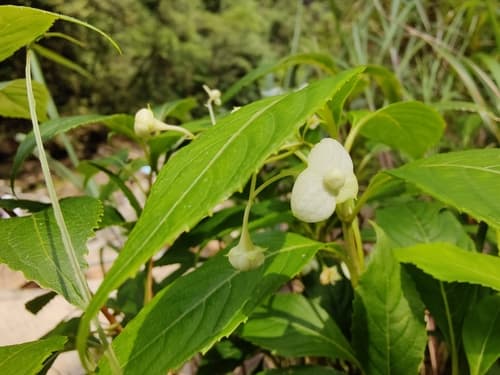
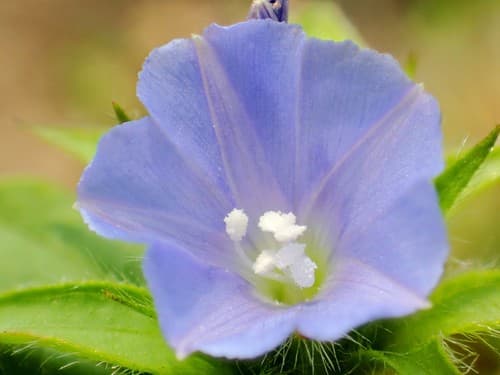
A perennial, herbaceous vine characterized by its densely hairy stems and ovate leaves. It produces small, funnel-shaped flowers, typically light blue to lavender, often clustered in axillary cymes.