Solanum juglandifolium
NameSolanum juglandifolium
Scientific NameSolanum juglandifolium
Common NamesWalnut-leaf Nightshade
Plant FamilySolanaceae
Natural HabitatNative to tropical and subtropical regions of South America, often found in disturbed areas, forest edges, secondary growth, and along roadsides. It thrives in warm, humid environments.
Parts Usedleaf,fruit
Medicinal Actionsanalgesic, anti-inflammatory, antimicrobial
Traditional UsesSpecific traditional medicinal uses for *Solanum juglandifolium* are not widely documented in published ethnobotanical literature. However, some *Solanum* species are traditionally used for topical pain relief, reducing inflammation, and treating skin conditions, often with significant caution due to the presence of toxic compounds.
Active ConstituentsSteroidal glycoalkaloids, Solasodine, Flavonoids
Preparation Methodsinfusion, poultice
Contraindications & WarningsAll parts of *Solanum juglandifolium*, especially unripe fruits, contain steroidal glycoalkaloids which are toxic if ingested. Symptoms can include gastrointestinal upset, nausea, vomiting, diarrhea, and neurological effects. Internal use is strongly discouraged. Avoid during pregnancy, lactation, and in children.
Cultivation NotesPrefers warm, humid climates with full sun to partial shade and well-drained, fertile soil. It can be grown from seeds or cuttings and requires support for its climbing habit.
Raritycommon
Description
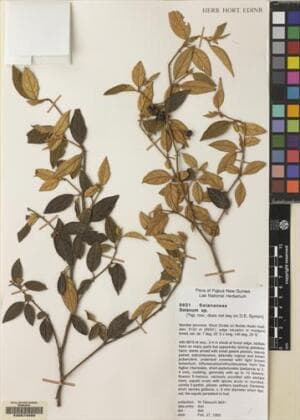
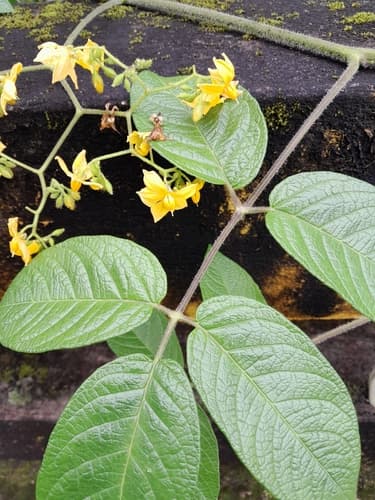
A climbing or sprawling perennial vine characterized by its large, pinnately compound leaves, which typically have 5-7 leaflets resembling those of a walnut tree. It produces clusters of star-shaped, bright yellow flowers, followed by small, spherical berries.