Japanese Elm
NameJapanese Elm
Scientific NameUlmus davidiana var. japonica
Common NamesJapanese Elm, David Elm
Plant FamilyUlmaceae
Natural HabitatNative to forests, riverbanks, and valleys across Japan, Korea, China, and Siberia. It thrives in temperate climates.
Parts Usedbark,leaf
Medicinal Actionsdemulcent, astringent, anti-inflammatory, analgesic
Traditional UsesIn traditional medicine, particularly Traditional Chinese Medicine, the bark of Japanese Elm (*Ulmus davidiana*) has been used for its anti-inflammatory and analgesic properties to treat conditions such as arthritis, muscle pain, and skin inflammation. Like other elms, its mucilaginous inner bark can soothe irritated mucous membranes in the digestive and respiratory tracts.
Active Constituentsmucilage, tannins, flavonoids, triterpenes
Preparation Methodsdecoction, powder, poultice, infusion
Contraindications & WarningsMay interfere with the absorption of other medications if taken concurrently due to its high mucilage content. Allergic reactions are possible, though rare.
Cultivation NotesHardy and adaptable, preferring full sun to partial shade and well-drained soils. It is known for its resistance to Dutch Elm Disease, making it a popular choice for cultivation in temperate regions.
Raritycommon
Description
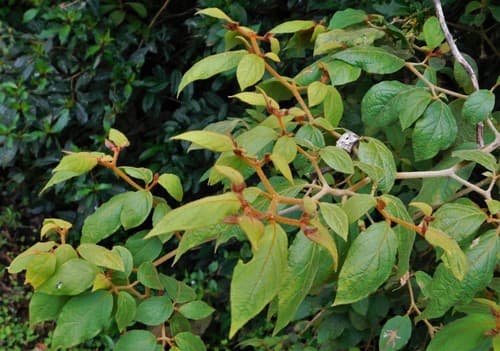
A medium to large deciduous tree native to East Asia, characterized by its alternate, simple, doubly serrated leaves. It produces small, inconspicuous flowers followed by distinctive winged samaras in spring.