Alkanet
NameAlkanet
Scientific NameAlkanna tinctoria
Common NamesAlkanet, Dyer's Alkanet, Orchanet, Spanish Bugloss
Plant FamilyBoraginaceae
Natural HabitatNative to the Mediterranean basin, Alkanet thrives in dry, rocky, and sandy soils. It can often be found in disturbed areas, fields, garrigue, and along roadsides, preferring full sun exposure.
Parts Usedroot
Medicinal Actionsanti-inflammatory, antimicrobial, astringent, demulcent
Traditional UsesTraditionally, the root of Alkanet has been used externally for its anti-inflammatory and astringent properties to treat skin conditions such as wounds, burns, rashes, and eczema. It was also historically employed as a demulcent for coughs and fevers, though internal use is now largely discouraged due to safety concerns. Its primary historical use, however, was as a natural red dye for textiles, cosmetics, and food.
Active ConstituentsAlkannin, Shikonin, Naphthoquinones
Preparation Methodsinfusion, decoction, powder, salve
Contraindications & WarningsInternal use of Alkanet is generally discouraged due to the potential presence of pyrrolizidine alkaloids (PAs), which can be hepatotoxic and carcinogenic. Avoid during pregnancy and lactation. Exercise caution when applying to broken skin, and always perform a patch test for external use.
Cultivation NotesAlkanet prefers full sun and well-drained, sandy or rocky soil. It is drought-tolerant once established and can be propagated from seed or by root division. It is relatively low-maintenance and can naturalize in suitable climates.
Raritycommon
Description
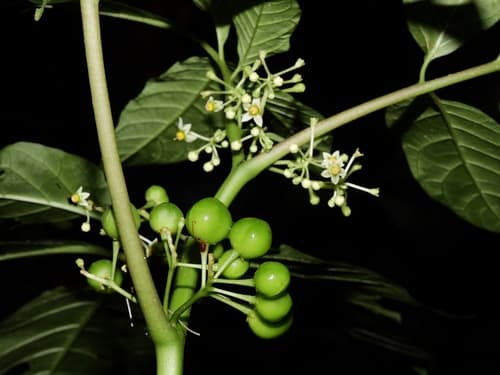
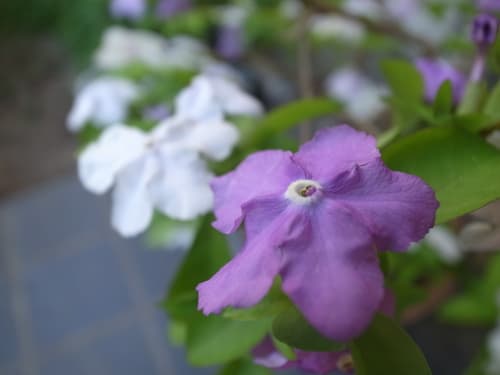
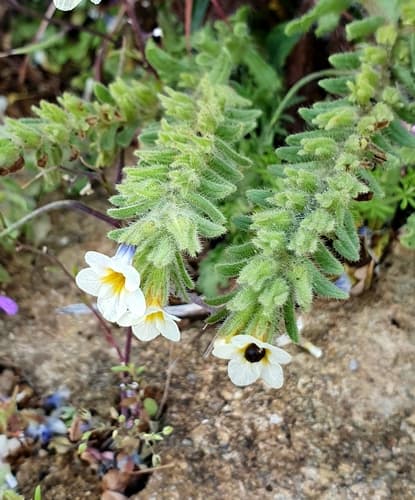
Dyer's Alkanet is a herbaceous perennial plant native to the Mediterranean region, characterized by its hairy stems and lanceolate leaves. It produces small, trumpet-shaped flowers, typically white or pale yellow with a darker throat, arranged in coiled cymes. The plant is most notable for its root, which yields a deep red pigment.