Solanum mite
NameSolanum mite
Scientific NameSolanum nigrum
Common NamesBlack Nightshade, Garden Nightshade, Makoi, Wonderberry, Solanum mite
Plant FamilySolanaceae
Natural HabitatThis widespread species thrives in disturbed areas, including cultivated fields, gardens, roadsides, and waste places across temperate and tropical regions globally. It adapts to various soil types.
Parts Usedleaf,fruit,whole_plant
Medicinal Actionsanti-inflammatory, analgesic, antioxidant, antimicrobial, sedative
Traditional UsesTraditionally, Solanum nigrum has been used externally as a poultice for skin conditions, boils, and wounds due to its anti-inflammatory and analgesic properties. Internally, it has been cautiously employed as a sedative and for liver ailments in some traditional systems, though its toxicity necessitates extreme care and expert guidance.
Active ConstituentsSolanine, Solamargine, Solasonine, Glycoalkaloids, Saponins, Flavonoids, Phenolic acids
Preparation Methodspoultice, decoction, infusion
Contraindications & WarningsAll parts of the plant, especially unripe berries and leaves, are toxic due to glycoalkaloids and can cause gastrointestinal upset, nausea, vomiting, and neurological symptoms if ingested in large quantities. It is contraindicated for pregnant and breastfeeding women, and should only be used under strict expert supervision due to potential drug interactions and toxicity.
Cultivation NotesSolanum nigrum is easily cultivated from seed and can grow in a wide range of climates from temperate to tropical. It prefers full sun to partial shade and well-drained soil, often self-seeding readily and potentially becoming weedy.
Raritycommon
Description
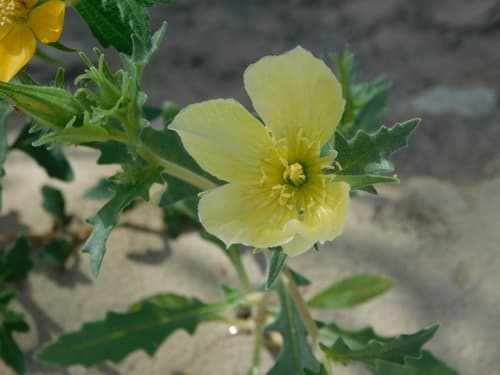
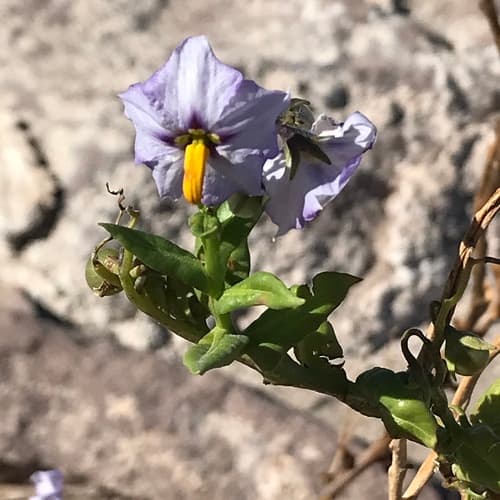
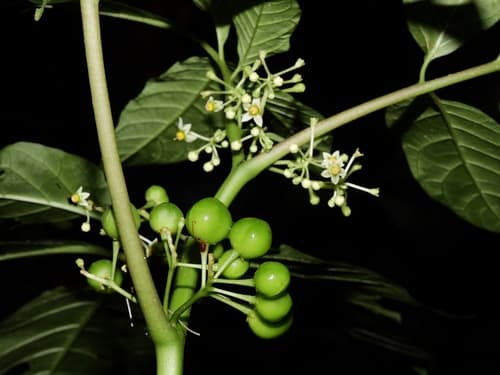
Solanum nigrum is an annual or short-lived perennial herb, typically growing up to 1 meter tall. It features ovate leaves, small white flowers with prominent yellow anthers arranged in clusters, and green berries that ripen to a glossy black.