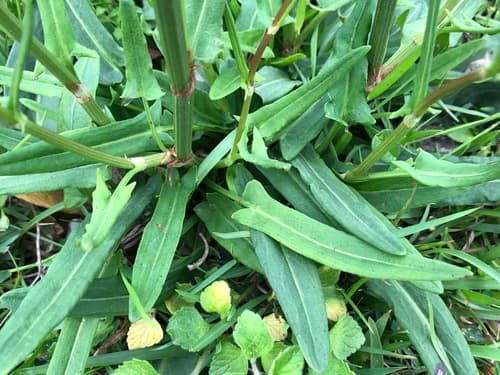
Sorrel
NameSorrel
Scientific NameRumex acetosa
Common NamesCommon Sorrel, Garden Sorrel, Sour Grass
Plant FamilyPolygonaceae
Natural HabitatIt thrives in grasslands, meadows, pastures, and open woodlands, preferring moist, well-drained, and slightly acidic soils. It is often found in temperate regions across Europe, Asia, and North America.
Parts Usedleaf,root,whole_plant
Medicinal Actionsdiuretic, astringent, antioxidant, anti-inflammatory
Traditional UsesTraditionally, sorrel leaves have been used as a spring tonic to cleanse the blood and stimulate digestion. It was also employed as a diuretic to promote urine flow and for its astringent properties to treat minor bleeding or diarrhea. The plant has been used to alleviate fever and inflammation.
Active ConstituentsOxalic acid, flavonoids, anthraquinones, tannins, vitamin C
Preparation Methodsinfusion, decoction, powder
Contraindications & WarningsDue to its high oxalic acid content, sorrel should be consumed in moderation, especially by individuals prone to kidney stones, gout, or rheumatism. Large quantities can be toxic and interfere with calcium absorption. Pregnant or breastfeeding women should consult a healthcare professional.
Cultivation NotesSorrel is easy to grow from seed or division in spring or autumn. It prefers full sun to partial shade and consistently moist, fertile soil. Regular harvesting of outer leaves encourages new growth. It can self-seed readily.
Raritycommon
Description
Common Sorrel is a herbaceous perennial plant characterized by its distinctive arrow-shaped or oblong-sagittate basal leaves, which have a sour, lemony taste. It produces slender, erect stems that can reach up to 60 cm in height, bearing smaller leaves and terminal spikes of reddish-green flowers.