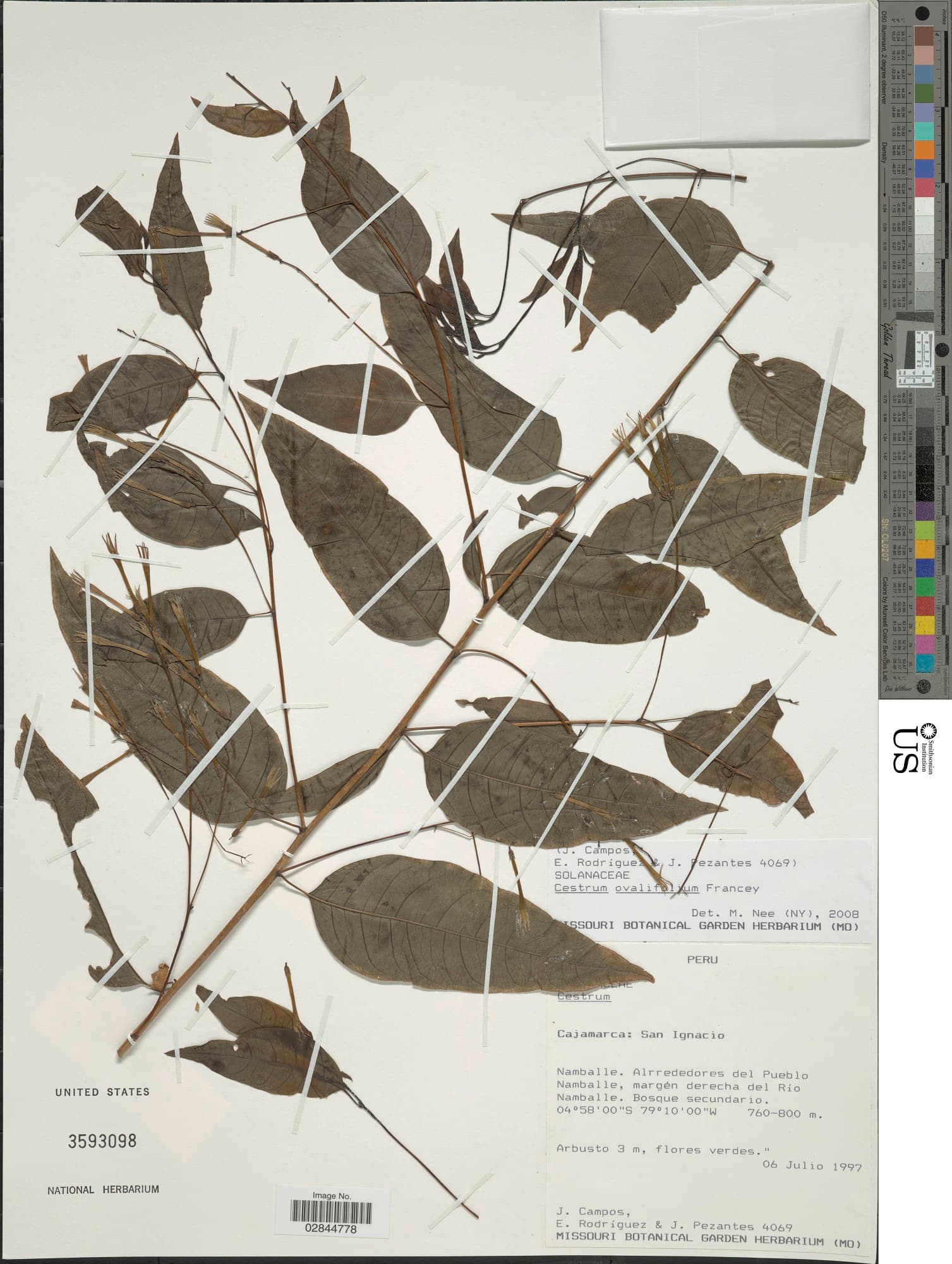
Ovalleaf Cestrum
Image: Conveyor Belt (cc0)
NameOvalleaf Cestrum
Scientific NameCestrum ovalifolium Francey
Common NamesOvalleaf Cestrum, Green Cestrum
Plant FamilySolanaceae
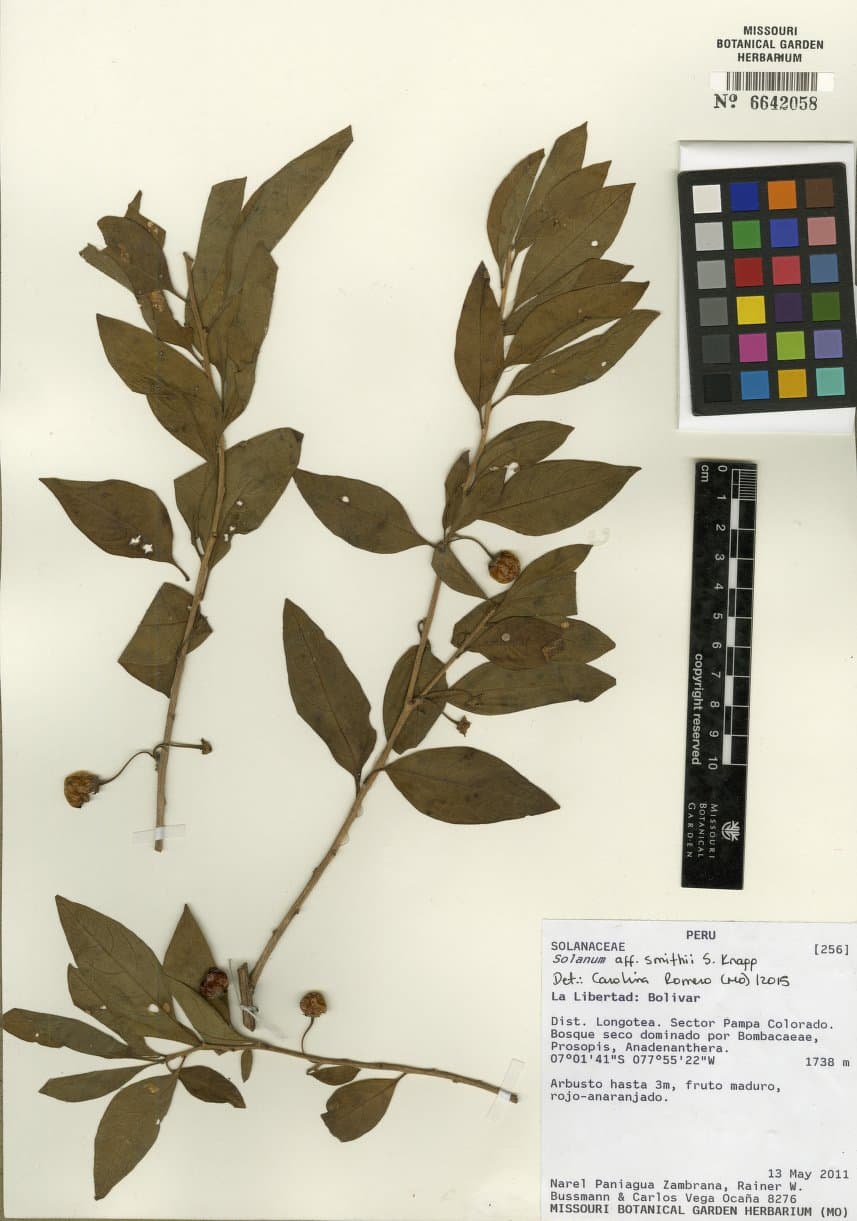
Natural HabitatNative to tropical and subtropical regions of the Americas, often found in secondary forests, along river margins, and in mountainous areas, as indicated by the specimen collected in Peru at 760-800m elevation.
Parts Usedwhole_plant
Traditional UsesWhile some Cestrum species have limited traditional uses, Cestrum ovalifolium is generally considered toxic due to its chemical constituents. Specific safe and well-documented traditional medicinal uses for this species are not widely reported, and ingestion is strongly discouraged.
Active Constituentssteroidal saponins, solasodine
Contraindications & WarningsIngestion is highly contraindicated due to toxicity, which can cause gastrointestinal distress and neurological symptoms. Contact with sap may cause skin irritation.
Cultivation NotesOften cultivated as an ornamental shrub in tropical and subtropical climates. It prefers full sun to partial shade and well-drained soil. Can be invasive in some regions.
Raritycommon
Description
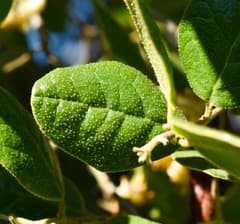
A shrub or small tree, typically growing up to 3 meters tall, characterized by simple, alternate, ovate to elliptic leaves. It produces greenish, tubular flowers in axillary or terminal clusters, followed by berries.