Solanum lobbianum
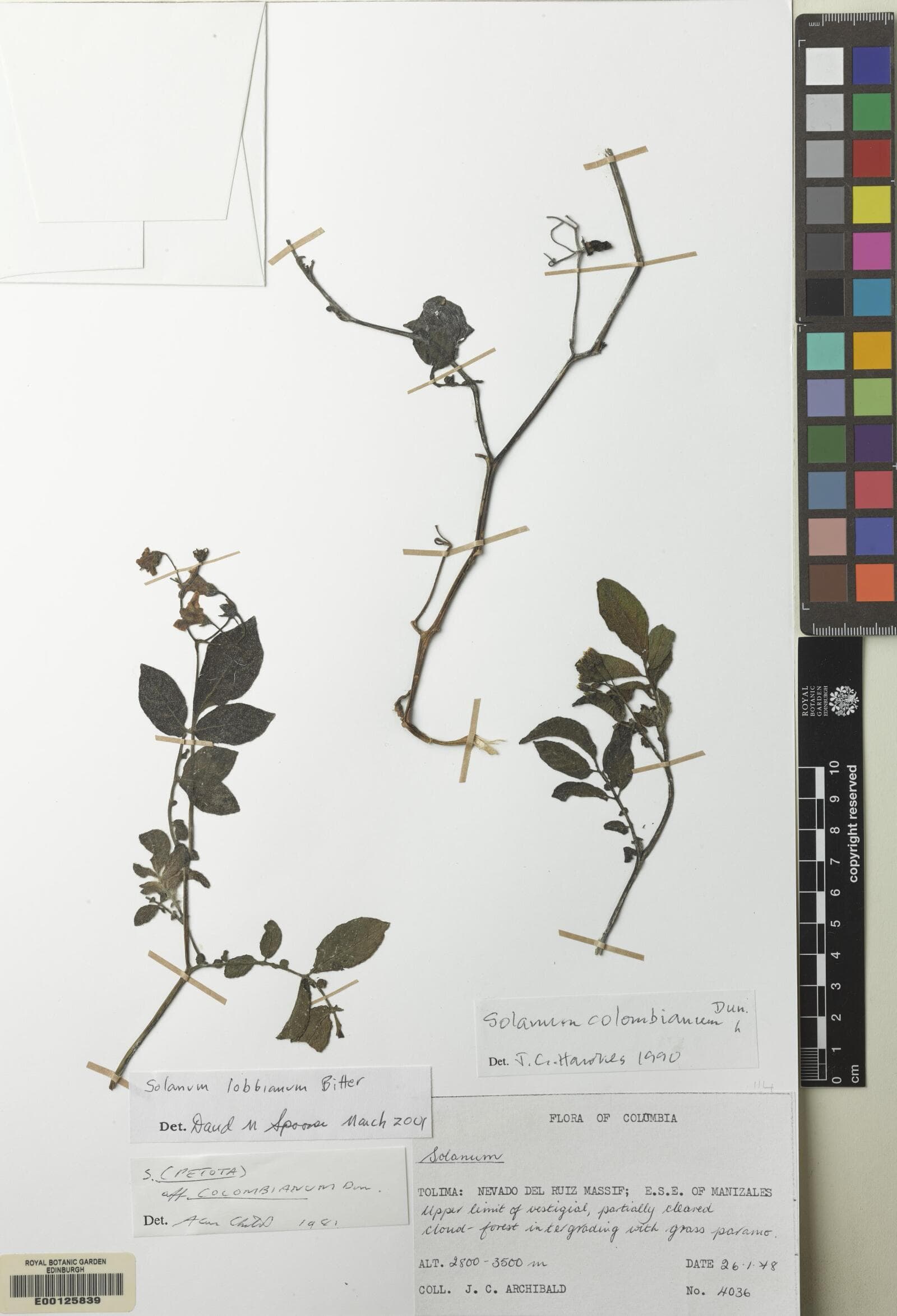
Image: Royal Botanic Garden Edinburgh (cc0)
NameSolanum lobbianum
Scientific NameSolanum lobbianum Bitter
Plant FamilySolanaceae
Natural HabitatNative to the Nevado del Ruiz Massif in Tolima, Colombia, growing at high altitudes (2800-3500 m). It thrives in the upper limits of vestigial, partially cleared cloud-forests that transition into grass paramo.
Parts Used
Traditional UsesSpecific traditional medicinal uses for *Solanum lobbianum* are not well-documented in available ethnobotanical literature. Many species within the *Solanum* genus are known to contain steroidal glycoalkaloids, which can be toxic and are sometimes used cautiously in traditional medicine for various purposes, but this specific species lacks documented uses.
Contraindications & WarningsDue to the general presence of potentially toxic steroidal glycoalkaloids in many *Solanum* species, *Solanum lobbianum* should be considered potentially toxic. Ingestion is not recommended, and specific contraindications would depend on detailed chemical analysis and safety studies, which are currently lacking for this species.
Cultivation NotesRequires cool, high-altitude conditions with consistent moisture and well-drained soil, mimicking its native cloud forest and paramo transition zones. Specific cultivation requirements are not widely documented.
Rarityuncommon
Description
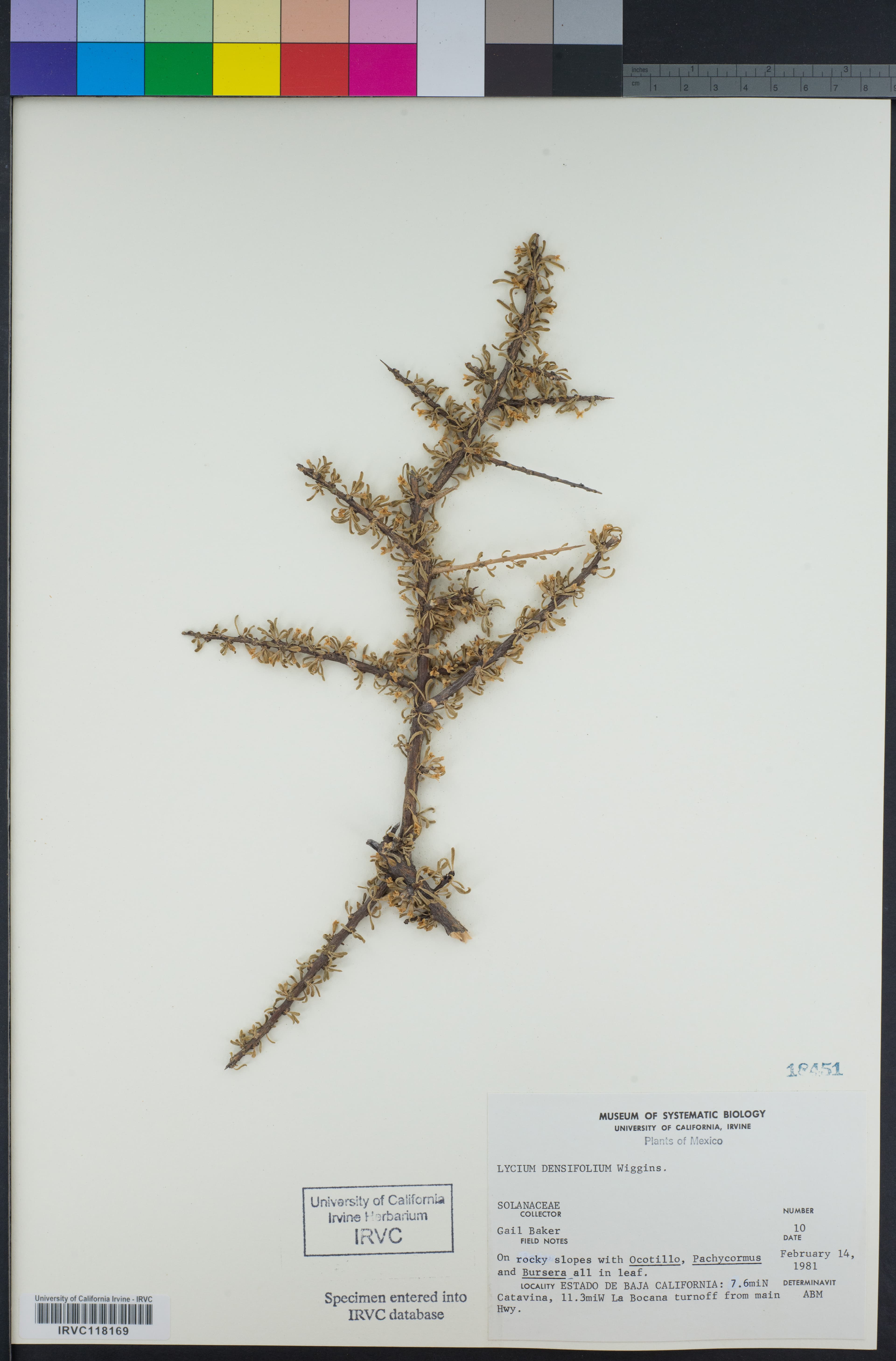
A species of nightshade, typically a herbaceous plant or small shrub. It features alternate, simple leaves that are ovate to lanceolate, and produces characteristic berries of the Solanum genus. The provided specimen shows dried stems, leaves, and remnants of reproductive structures.