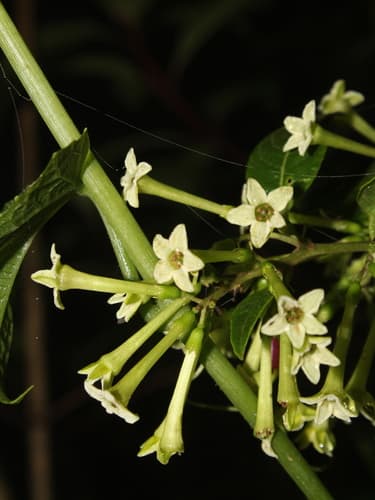
Wrinkled Cestrum
NameWrinkled Cestrum
Scientific NameCestrum rugulosum
Common NamesWrinkled Cestrum
Plant FamilySolanaceae
Natural HabitatNative to Central and South America, it typically grows in tropical and subtropical regions, often found in disturbed areas, forest edges, and open woodlands.
Parts Usedleaf,flower,whole_plant
Medicinal Actionsantimicrobial, anti-inflammatory, antioxidant
Traditional UsesDue to its significant toxicity, *Cestrum rugulosum* is not widely used in mainstream herbal medicine. Some *Cestrum* species have limited traditional external uses in folk medicine for skin conditions or as poultices, but internal use is generally avoided due to the presence of toxic steroidal alkaloids and saponins.
Active ConstituentsSteroidal saponins, Alkaloids (e.g., solasodine), Flavonoids
Preparation Methodspoultice, infusion, powder
Contraindications & WarningsAll parts of *Cestrum rugulosum* are highly toxic, especially the berries, and should never be ingested. Ingestion can cause severe gastrointestinal upset, neurological symptoms, and cardiac issues, potentially leading to death. Skin contact may cause irritation. It is also highly toxic to livestock.
Cultivation NotesThis shrub prefers full sun to partial shade and well-drained soil. It is relatively drought-tolerant once established and can be grown in tropical and subtropical climates. Propagation is typically by seeds or cuttings.
Raritycommon
Description
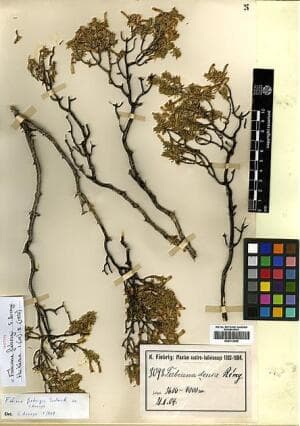
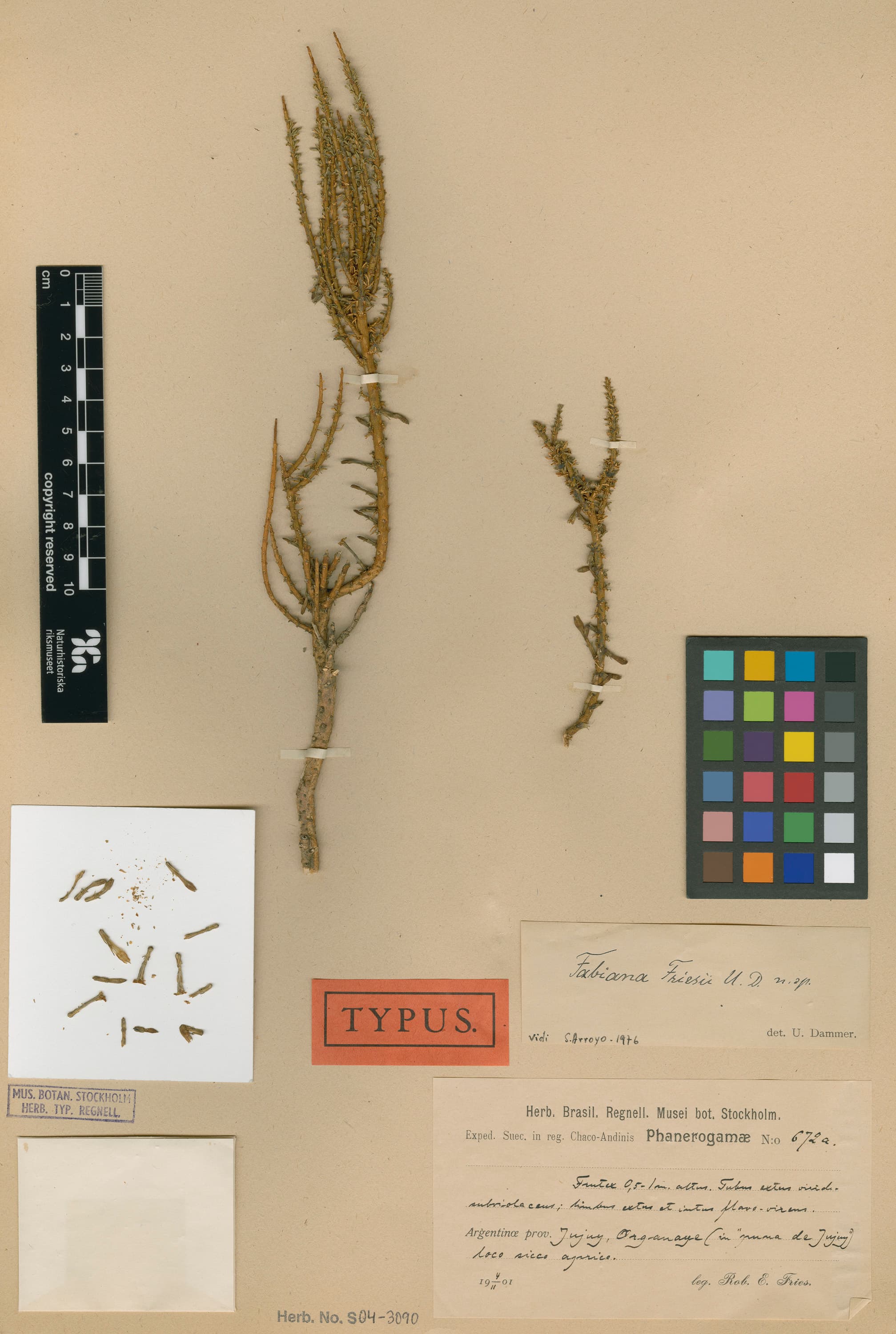
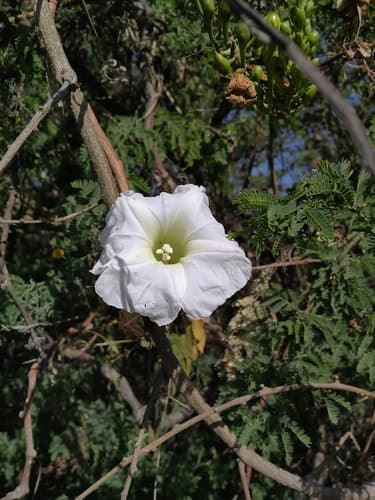
This plant is a shrub characterized by its slender, tubular, pale yellowish-white flowers that bloom in clusters. Its simple, alternate leaves often exhibit a somewhat wrinkled texture, giving the plant its common name.