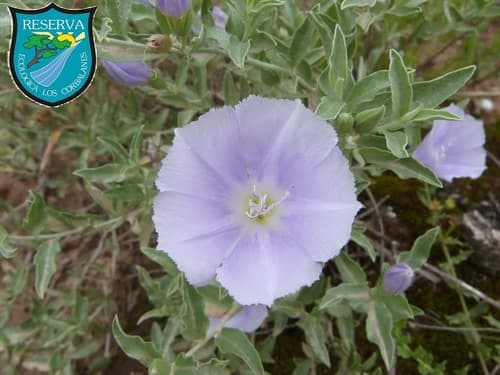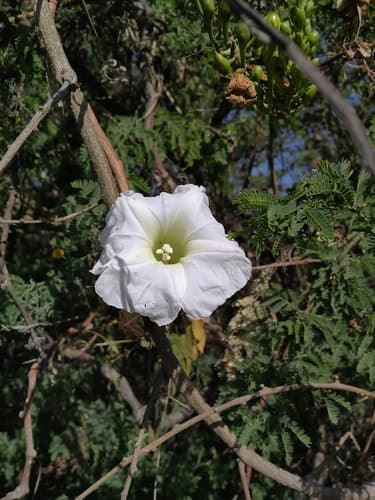
Ipomoea pseudoracemosa
NameIpomoea pseudoracemosa
Scientific NameIpomoea pseudoracemosa
Common NamesFalse Racemose Morning Glory, Morning Glory
Plant FamilyConvolvulaceae
Natural HabitatNative to dry bushland, scrub, and woodland areas in East Africa, including countries like Ethiopia, Somalia, Kenya, and Tanzania. It often grows by climbing on other shrubs and trees.
Parts Usedleaf,root
Medicinal Actionsanti-inflammatory, antimicrobial
Traditional UsesWhile specific ethnobotanical data for Ipomoea pseudoracemosa is limited, other Ipomoea species are traditionally used for their purgative properties, to treat skin ailments, wounds, and various inflammatory conditions. Preparations might be used topically for skin issues or internally for gastrointestinal complaints.
Active ConstituentsResin glycosides
Preparation Methodsinfusion, decoction, poultice
Contraindications & WarningsDue to the presence of resin glycosides, internal use may cause strong purgative effects, abdominal cramping, and diarrhea. Not recommended for pregnant or breastfeeding women, or individuals with severe gastrointestinal disorders.
Cultivation NotesThrives in warm, tropical to subtropical climates with full sun exposure. Requires well-drained soil and can tolerate dry conditions once established. As a climbing vine, it benefits from support structures.
Rarityuncommon
Description
This is a species of climbing or trailing vine belonging to the morning glory family. It produces distinctive white, funnel-shaped flowers, often appearing solitary or in small clusters. Its leaves are typically simple and entire, characteristic of many Ipomoea species.