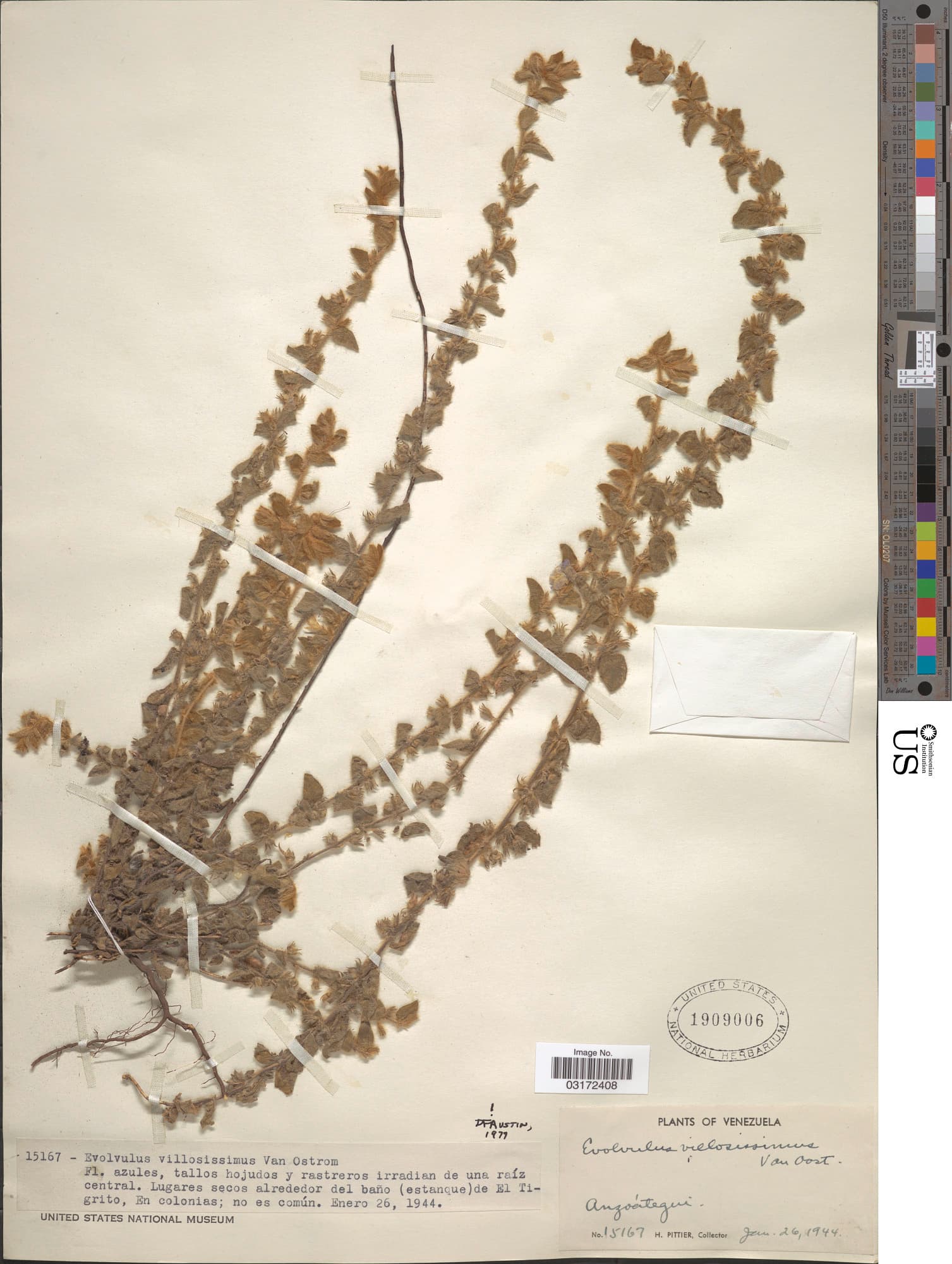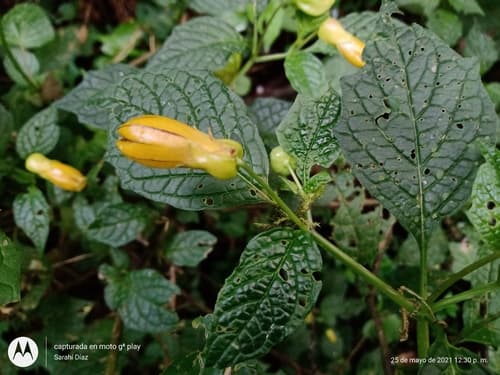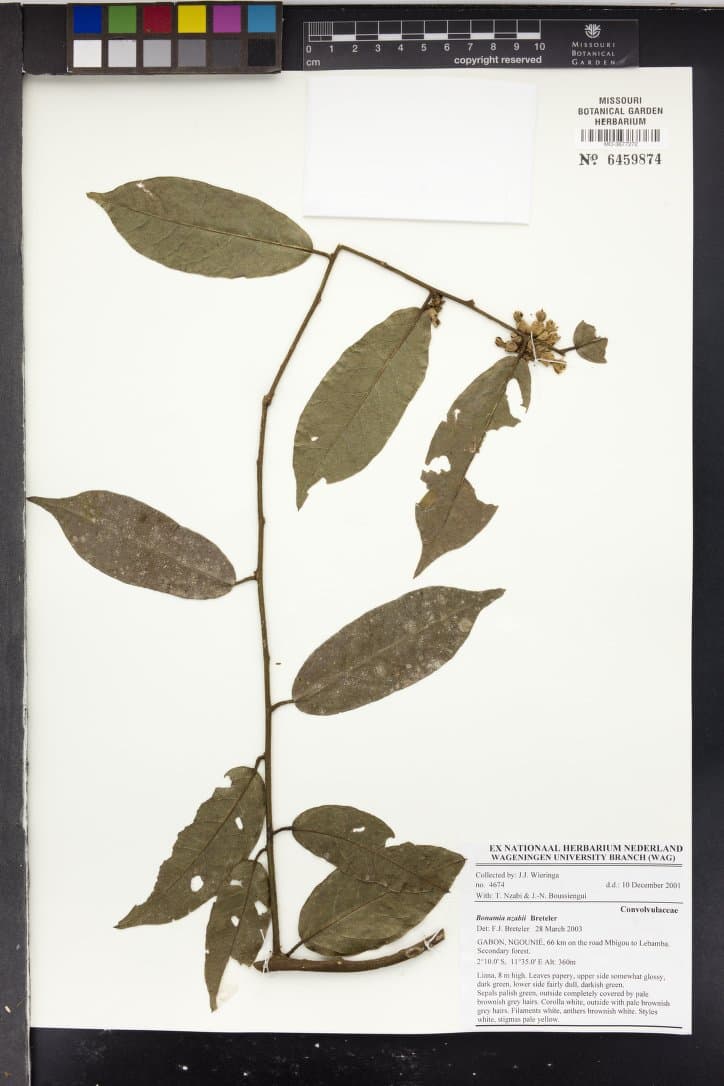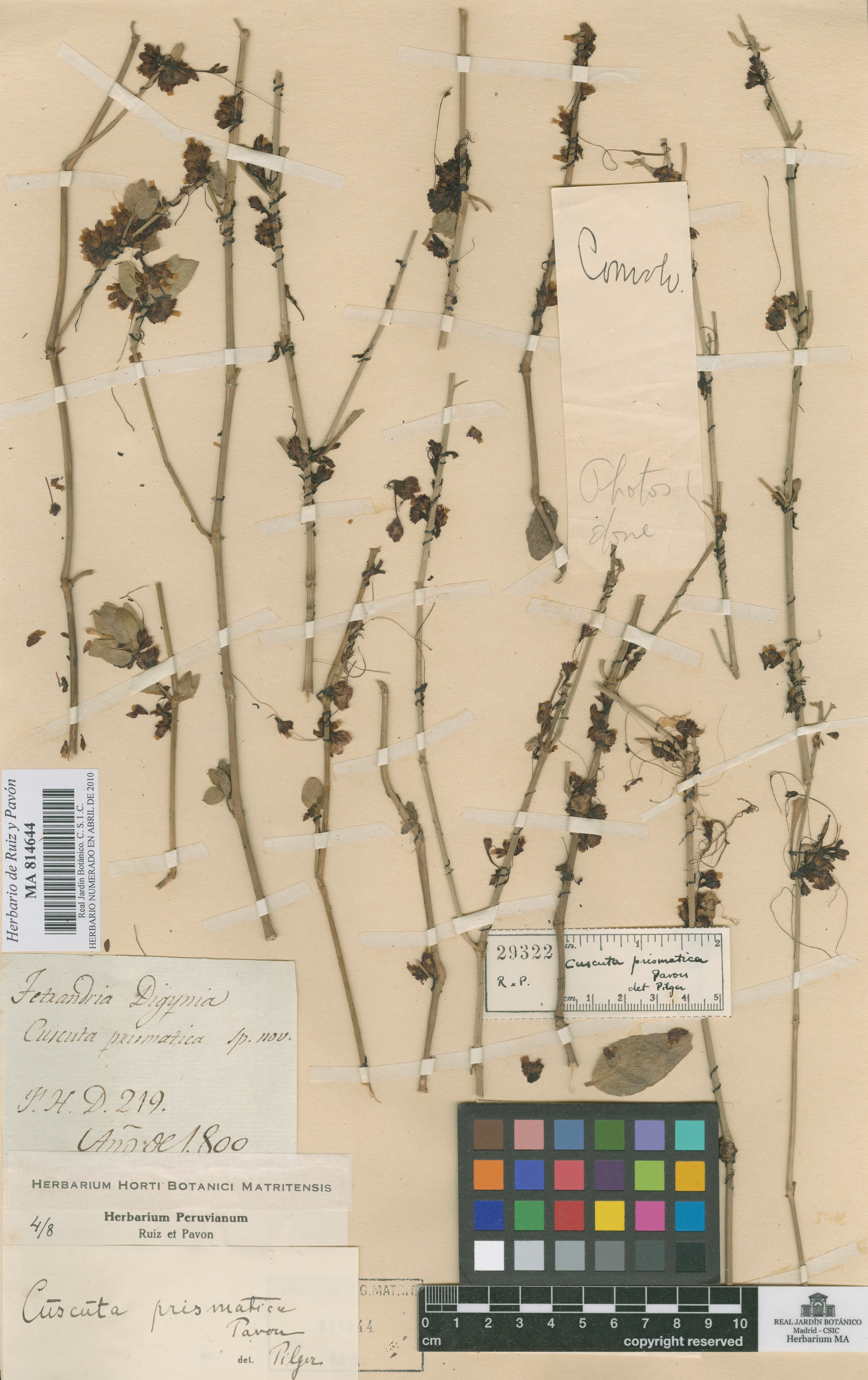
Withania chamaesarachoides
NameWithania chamaesarachoides
Scientific NamePhysalis chamaesarachoides
Common NamesGroundcherry, Wild Tomatillo
Plant FamilySolanaceae
Natural HabitatFound in tropical and subtropical regions, often in disturbed areas, forest edges, or as undergrowth in woodlands and open fields.
Parts Usedfruit,leaf,whole_plant
Medicinal Actionsanti-inflammatory, antioxidant, diuretic
Traditional UsesTraditionally, various Physalis species, including this one, have been used for their anti-inflammatory and diuretic properties, often employed in remedies for fevers, urinary tract issues, and general wellness. The ripe fruits are sometimes consumed for their nutritional value and mild laxative effects.
Active Constituentsphysalins, flavonoids, carotenoids, alkaloids
Preparation Methodsinfusion, decoction, powder
Contraindications & WarningsUnripe fruits of some Physalis species can be toxic due to solanine content; consumption should be limited to ripe fruits. Pregnant or breastfeeding individuals and those with nightshade allergies should consult a healthcare professional before use.
Cultivation NotesPrefers warm climates and well-drained soil. Can be grown from seed and thrives in full sun to partial shade, often self-seeding in suitable conditions. Requires moderate watering.
Rarityuncommon
Description
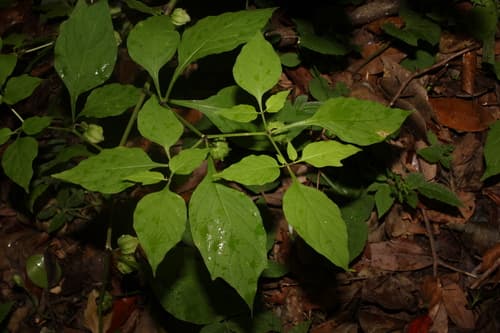
An herbaceous plant characterized by its simple, ovate leaves and distinctive lantern-like calyx that encloses the developing fruit. It typically grows as an understory plant, often sprawling or erect depending on conditions.