Withania adunensis
NameWithania adunensis
Scientific NameWithania adunensis
Common NamesNone widely recognized
Plant FamilySolanaceae
Natural HabitatNative to arid and semi-arid regions of the Arabian Peninsula, particularly Yemen and Saudi Arabia, where it grows in wadis, rocky slopes, and disturbed areas.
Parts Usedroot,leaf,fruit
Medicinal Actionsadaptogen, anti-inflammatory, antioxidant, nervine, sedative
Traditional UsesWhile specific traditional uses for Withania adunensis are not extensively documented, other species within the Withania genus are traditionally valued in folk medicine for their adaptogenic properties, stress reduction, and as general tonics. It is likely that W. adunensis shares similar applications in its native regions, though detailed ethnobotanical records are scarce.
Active ConstituentsWithanolides, Alkaloids, Saponins
Preparation Methodsinfusion, decoction, powder, tincture
Contraindications & WarningsPregnant or breastfeeding women, individuals with autoimmune diseases, or those on immunosuppressants, sedatives, or thyroid medications should consult a healthcare professional. May cause mild gastrointestinal upset in sensitive individuals.
Cultivation NotesPrefers well-drained soil and full sun, thriving in warm, arid to semi-arid climates. It is drought-tolerant once established and can be propagated from seeds or cuttings.
Rarityuncommon
Description
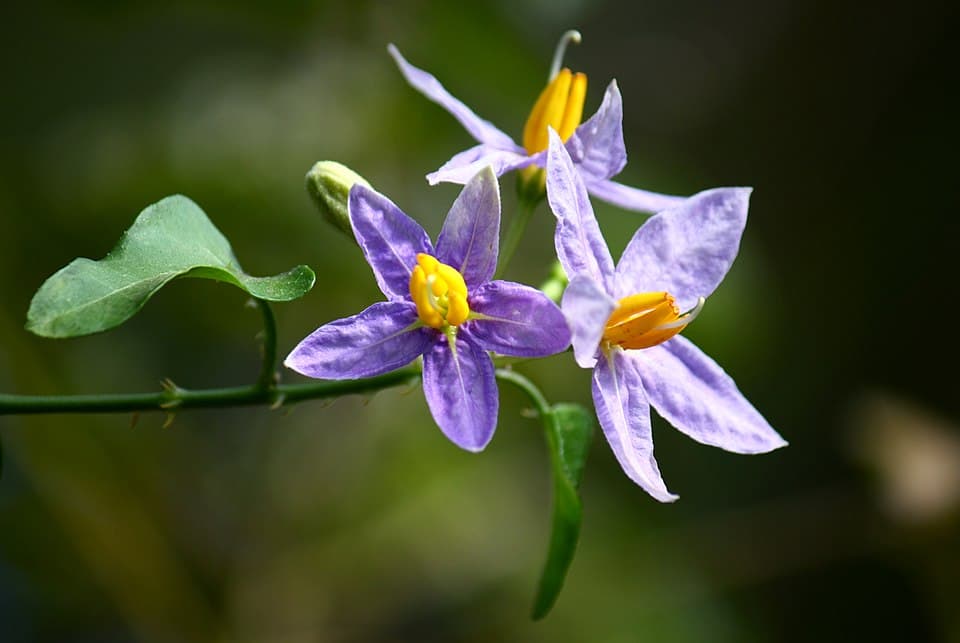
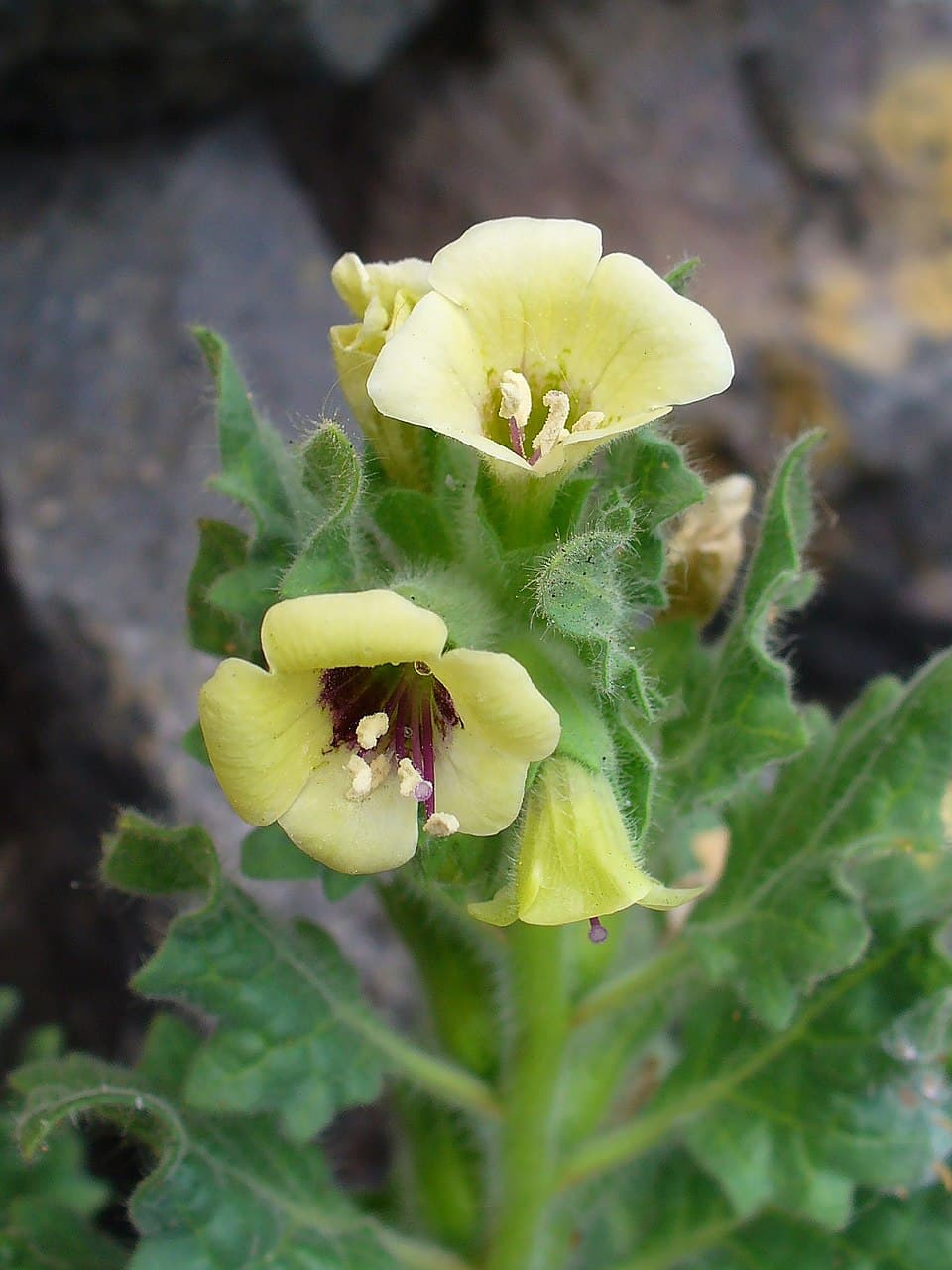
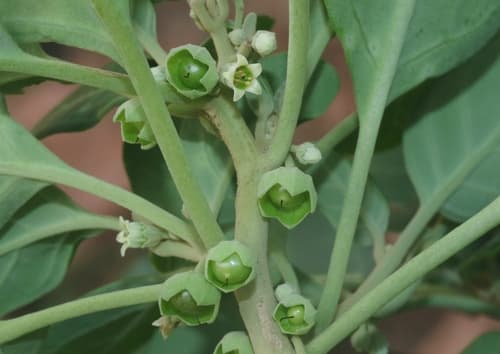
Withania adunensis is a perennial shrub characterized by its ovate to lanceolate leaves and small, greenish-yellow flowers. These flowers develop into berries encased within a distinctive, inflated, papery calyx, giving the plant a unique appearance.