Hyoscyamus malekianus
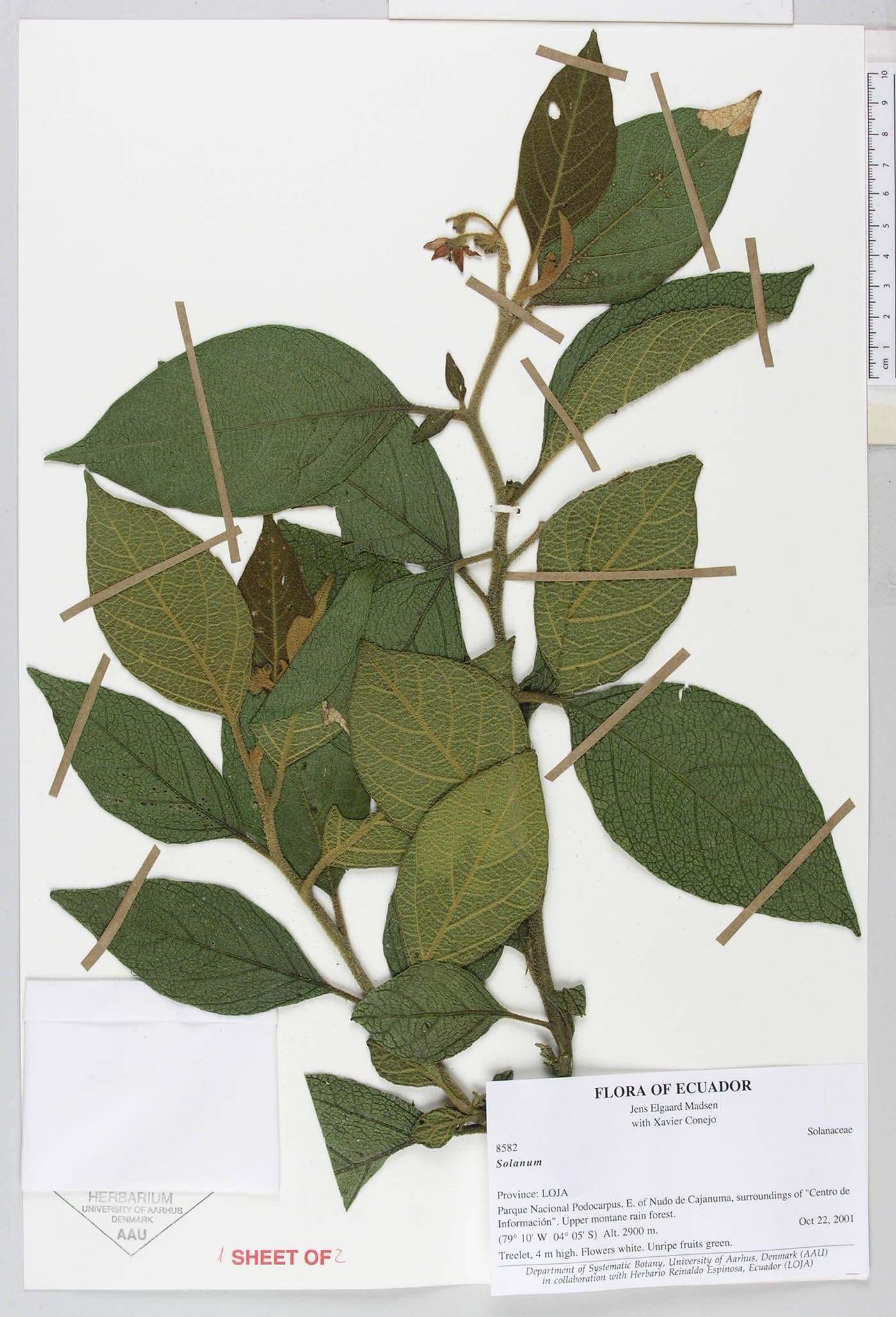
Image: Royal Botanic Garden Edinburgh (cc0)
NameHyoscyamus malekianus
Scientific NameHyoscyamus malekianus Parsa
Common NamesMalekian Henbane, Henbane
Plant FamilySolanaceae
Natural HabitatFound on southern rocky slopes of Taftan volcano near Torshab in Baluchistan Province, Iran, at elevations between 2500-2700 meters. It thrives in high-altitude, arid, and rocky environments.
Parts Usedleaf,flower
Medicinal Actionsanalgesic, nervine, sedative
Traditional UsesLike other species in the Hyoscyamus genus, H. malekianus would traditionally be used as a powerful sedative, anodyne (pain reliever), and antispasmodic. It was historically employed for conditions such as insomnia, nervous tension, severe pain (e.g., toothache, rheumatic pain), and muscle spasms, always with extreme caution due to its high toxicity.
Active Constituentshyoscyamine, scopolamine, atropine
Preparation Methodsinfusion, tincture, poultice, powder
Contraindications & WarningsExtremely toxic and potentially fatal if misused. Contraindicated in pregnancy, breastfeeding, glaucoma, prostate enlargement, heart conditions, and in conjunction with other anticholinergic drugs. Not for self-medication; use only under strict medical supervision.
Cultivation NotesPrefers well-drained, rocky soil and full sun to partial shade, mimicking its natural high-altitude volcanic habitat. It is likely adapted to arid or semi-arid conditions. Propagation is typically by seed.
Rarityrare
Description
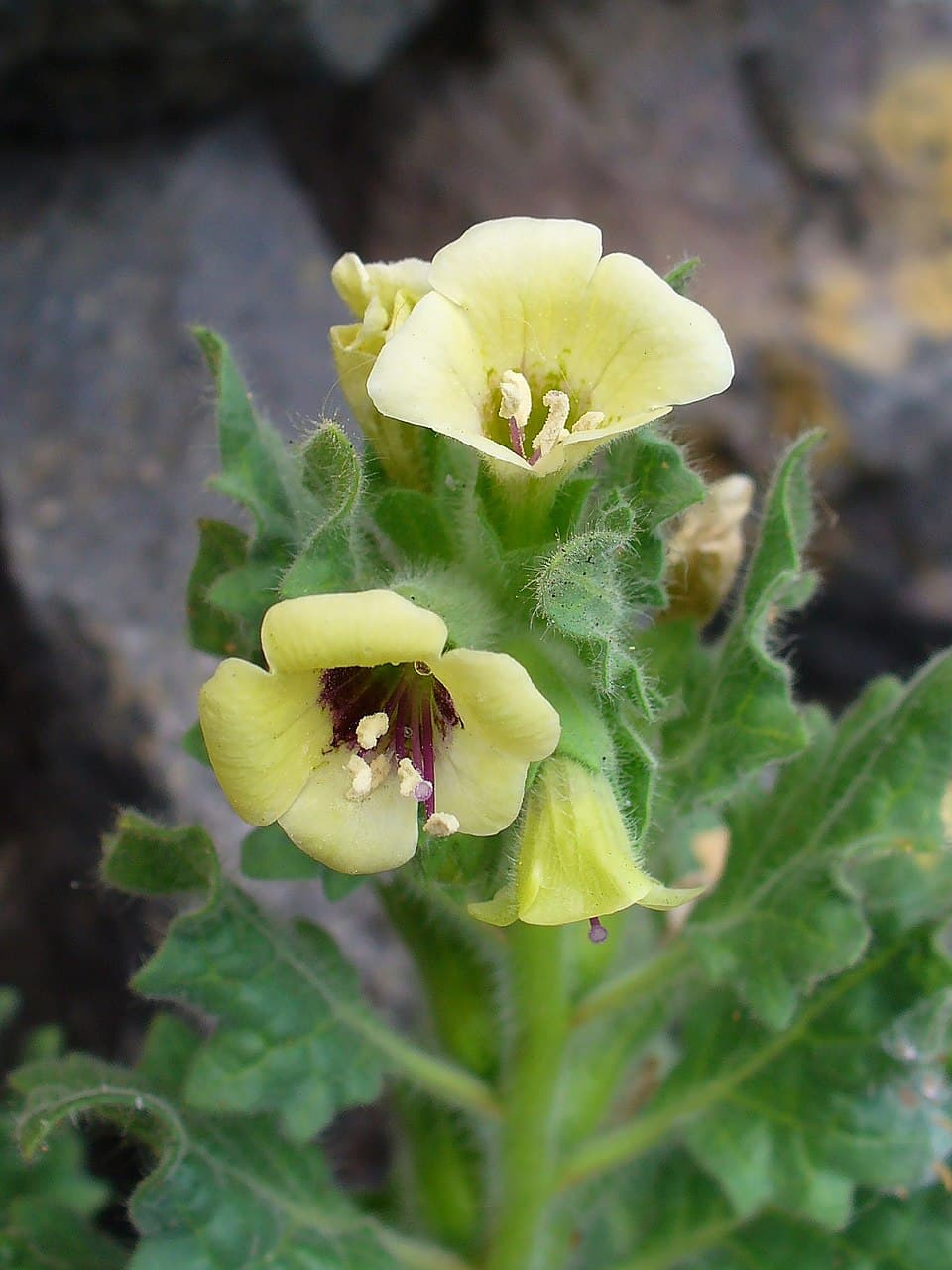
Hyoscyamus malekianus is an herbaceous plant, likely annual or biennial, characterized by its hairy stems and leaves. The leaves are typically lobed or toothed, and the plant produces bell-shaped flowers, often yellowish with purple veins, typical of the Hyoscyamus genus.