Willow
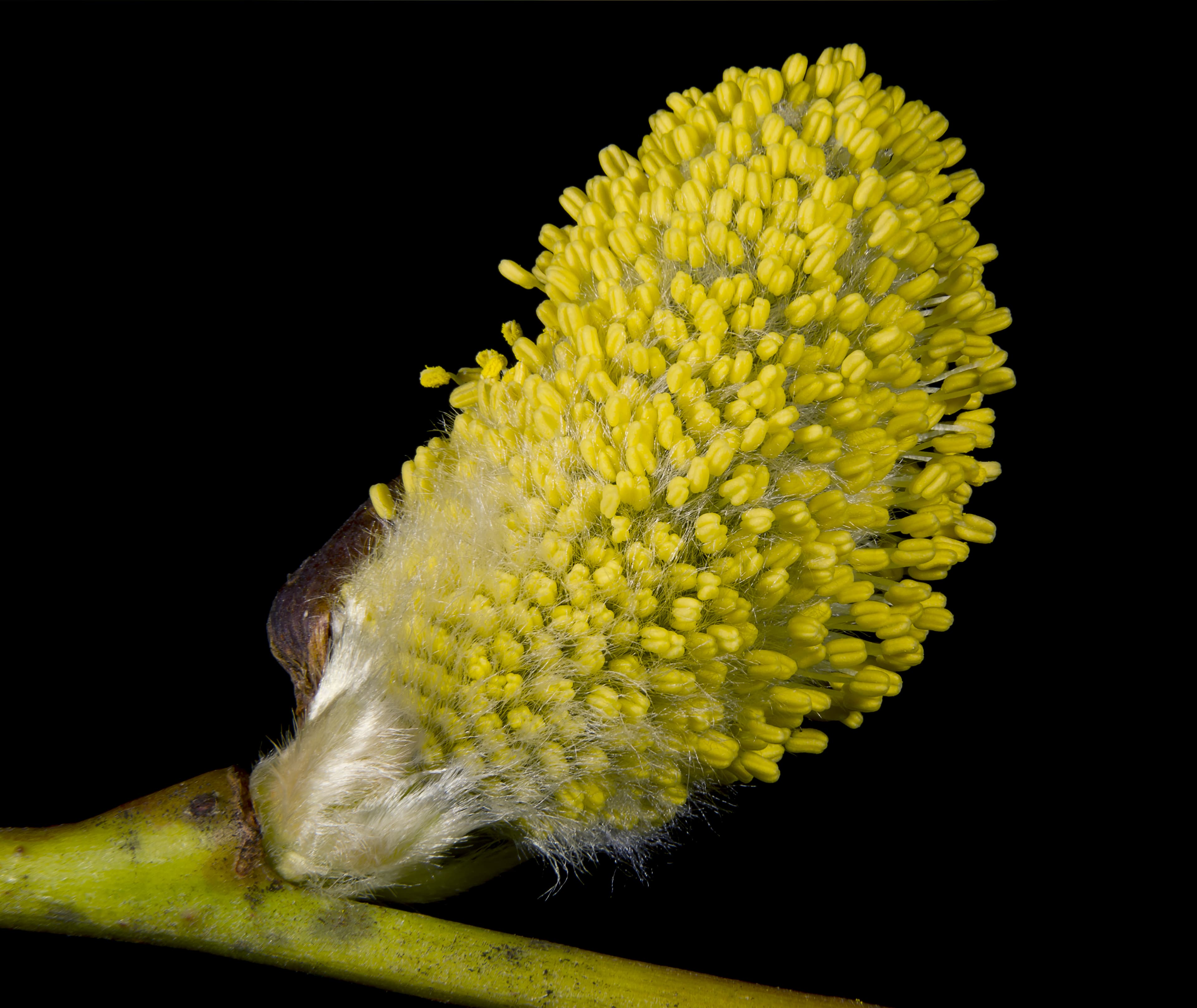
Image: Didier Descouens (CC BY-SA 4.0)
NameWillow
Scientific NameSalix caprea
Common NamesGoat Willow, Pussy Willow, Great Sallow
Plant FamilySalicaceae
Natural HabitatCommonly found in damp woodlands, hedgerows, clearings, and disturbed ground across Europe and Asia. It thrives in moist, well-drained soils and is often a pioneer species.
Parts Usedbark,leaf,flower
Medicinal Actionsanalgesic, anti-inflammatory, astringent
Traditional UsesWillow bark has been traditionally used for centuries to relieve pain, reduce fever, and alleviate inflammation, particularly for headaches, arthritis, and general aches. The leaves and catkins have also been used for their mild astringent and sedative properties.
Active ConstituentsSalicin, Flavonoids, Tannins
Preparation Methodsdecoction, infusion, powder, tincture
Contraindications & WarningsAvoid use if allergic to aspirin or salicylates. Not recommended for children due to the risk of Reye's syndrome, or for pregnant/breastfeeding women without medical advice. May interact with anticoagulant medications.
Cultivation NotesGoat willow is a hardy and fast-growing species, tolerant of a wide range of soil types but preferring moist conditions. It can be grown in full sun to partial shade and is easily propagated from cuttings.
Raritycommon
Description
Salix caprea is a deciduous tree or shrub, often one of the first to flower in spring. The image displays a male catkin, characterized by its dense cluster of fuzzy, yellow anthers, emerging from a protective bud scale.