Cascara Sagrada
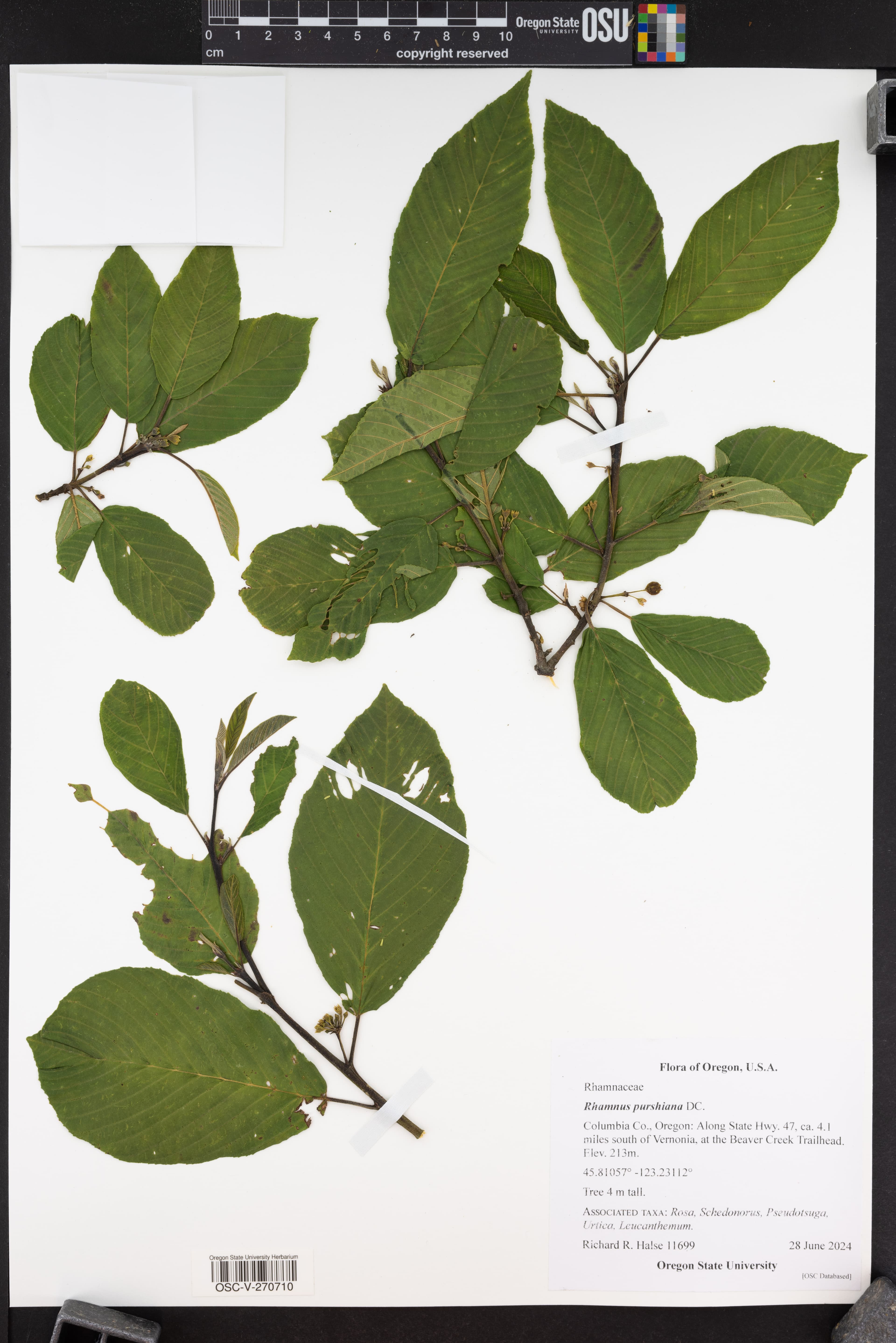
Image: Richard R. Halse (cc-by-nc)
NameCascara Sagrada
Scientific NameFrangula purshiana
Common NamesCascara Sagrada, Cascara, Cascara Buckthorn
Plant FamilyRhamnaceae
Natural HabitatNative to western North America, typically found in moist, well-drained soils in coniferous forests, mixed woodlands, and along stream banks. It thrives in partial shade to full sun.
Parts Usedbark
Medicinal Actionsantimicrobial
Traditional UsesTraditionally used as a powerful stimulant laxative to treat chronic constipation and promote bowel regularity. The bark is aged for at least a year before use to reduce irritating compounds.
Active ConstituentsAnthraquinone glycosides, cascarosides, emodin, aloe-emodin, chrysophanol
Preparation Methodsdecoction, tincture, powder
Contraindications & WarningsShould not be used by pregnant or breastfeeding women, children under 12, or individuals with intestinal obstruction, acute inflammatory bowel disease (Crohn's disease, ulcerative colitis), appendicitis, or abdominal pain of unknown origin. Prolonged use can lead to electrolyte imbalance, potassium deficiency, and dependence. Interacts with cardiac glycosides, antiarrhythmics, diuretics, and corticosteroids.
Cultivation NotesPrefers moist, well-drained soil and partial shade to full sun. Can be propagated by seed or cuttings. Requires several years to mature enough for bark harvesting.
Raritycommon
Description
A deciduous shrub or small tree, typically growing 4-10 meters tall, with smooth, reddish-brown bark. It features simple, alternate, ovate to elliptical leaves with prominent parallel veins and small, greenish-yellow flowers that develop into dark berries.