Wild Indigo
NameWild Indigo
Scientific NameBaptisia tinctoria
Common NamesWild Indigo, Eastern Wild Indigo, Yellow Wild Indigo, Rattlebush, Horsefly Weed
Plant FamilyFabaceae
Natural HabitatNative to eastern and central North America, it thrives in dry to moist open woodlands, prairies, savannas, clearings, and roadsides. It prefers full sun to partial shade and well-drained soils.
Parts Usedroot
Medicinal Actionsantimicrobial, anti-inflammatory
Traditional UsesTraditionally used by Native Americans and early European settlers for various infections, particularly upper respiratory tract infections, sore throats, tonsillitis, and glandular swellings. It was also used as an immune stimulant and for fevers.
Active ConstituentsAlkaloids (baptisine, cytisine), Polysaccharides, Flavonoids, Isoflavones
Preparation Methodsdecoction, tincture, poultice, powder
Contraindications & WarningsContraindicated in pregnancy and lactation due to potential abortifacient properties and toxicity. Should not be used by individuals with autoimmune diseases or those on immunosuppressant drugs. High doses can cause nausea, vomiting, and diarrhea, and it is not recommended for long-term use.
Cultivation NotesGrows best in full sun to partial shade in well-drained soil. Drought-tolerant once established. Propagated by seed (requires stratification) or root division, it is slow to establish but long-lived.
Raritycommon
Description
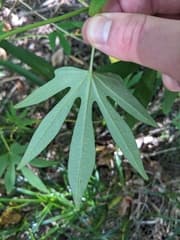
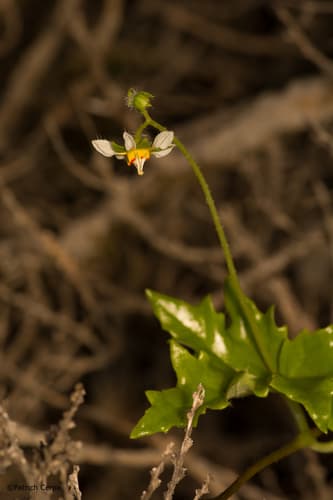
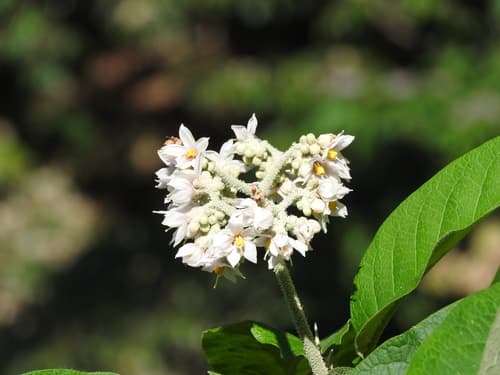
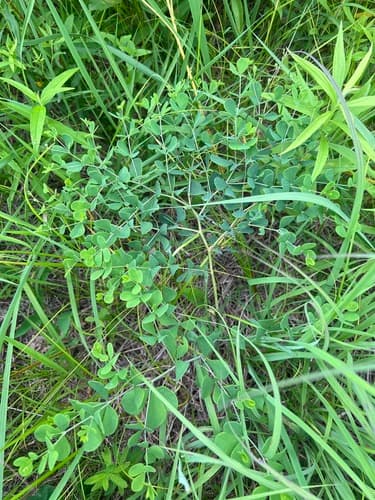
Wild Indigo is a perennial herbaceous plant growing up to 1-1.5 meters tall, characterized by its smooth, branched stems and small, trifoliate leaves with obovate leaflets. It produces yellow, pea-like flowers in terminal racemes, followed by inflated seed pods that rattle when dry.