Guarana
NameGuarana
Scientific NamePaullinia cupana
Common NamesGuarana, Brazilian cocoa, Guaraná
Plant FamilySapindaceae
Natural HabitatNative to the Amazon rainforest, particularly in Brazil and parts of Venezuela. It thrives in tropical, humid environments with rich, well-drained soil.
Parts Usedseed,fruit
Medicinal Actionsnervine, antioxidant
Traditional UsesTraditionally, indigenous Amazonian tribes used guarana as a stimulant to reduce hunger and thirst, increase energy, and treat headaches and fever. Today, it is widely consumed for its stimulating effects, promoting mental alertness, reducing fatigue, and enhancing physical endurance.
Active Constituentscaffeine, theobromine, theophylline, tannins, saponins, catechins
Preparation Methodsinfusion, powder
Contraindications & WarningsDue to its high caffeine content, guarana should be used with caution by individuals with anxiety, insomnia, heart conditions (tachycardia, arrhythmias), or high blood pressure. It is contraindicated during pregnancy and breastfeeding, and may interact with stimulant drugs, anticoagulants, and certain medications.
Cultivation NotesGuarana requires a tropical climate with high humidity and consistent warmth, ideally above 20°C (68°F). It prefers well-drained, fertile soil and partial shade when young, tolerating more sun as it matures. As a climbing vine, it needs sturdy support for optimal growth.
Raritycommon
Description
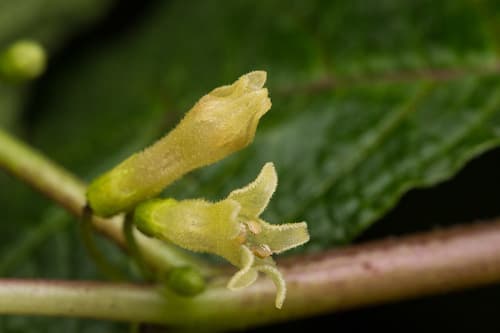
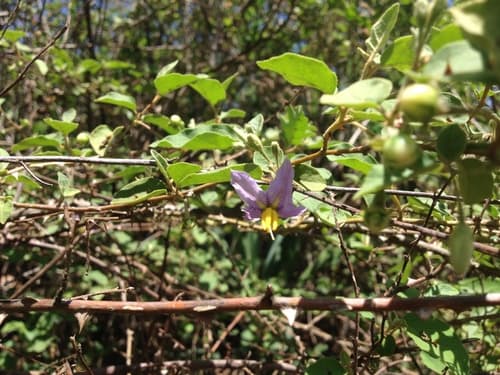
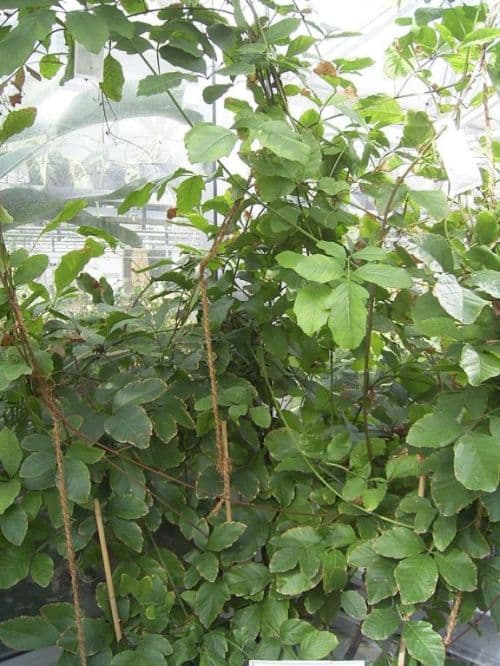
Guarana is a woody climbing vine native to the Amazon basin, characterized by its large, compound leaves. It is most renowned for its small, red fruits that split open to reveal dark seeds, resembling an eyeball.