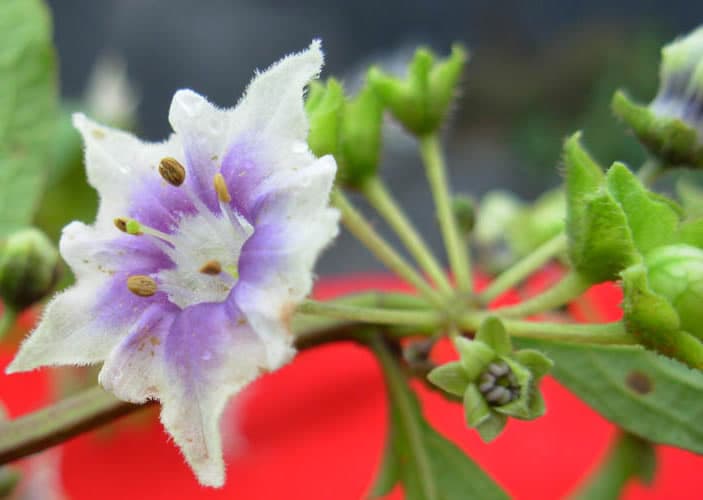
White Tupelo
NameWhite Tupelo
Scientific NameNyssa aquatica
Common NamesWater Tupelo, Swamp Tupelo, Tupelo Gum, Cotton Gum, White Tupelo
Plant FamilyNyssaceae
Natural HabitatNative to the southeastern United States, thriving in deep swamps, floodplains, and river margins, tolerating prolonged flooding and poorly drained soils.
Parts Usedbark,leaf
Medicinal Actionsastringent
Traditional UsesHistorically, the bark of Nyssa species, including White Tupelo, was used by indigenous peoples for its astringent properties, though specific detailed medicinal uses for Nyssa aquatica are not widely documented in mainstream herbalism. The tree is famously known for producing highly prized, light-colored honey from its nectar.
Active Constituentstannins
Preparation Methodsdecoction, infusion
Contraindications & WarningsNo specific contraindications are widely known for Nyssa aquatica in traditional medicinal use, likely due to its limited internal application. General caution is advised with any herbal remedy.
Cultivation NotesRequires consistently wet to saturated, acidic soils and can tolerate full sun to partial shade. It is a slow to moderate-growing tree that is best suited for wetland restoration or large landscapes with appropriate soil conditions.
Raritycommon
Description
A large, deciduous wetland tree known for its swollen, buttressed trunk base, adapted to aquatic environments. It features alternate, ovate to oblong leaves that turn vibrant colors in autumn, and produces small, greenish flowers followed by dark purplish-blue, oblong drupes.