Gronovia scandens
NameGronovia scandens
Scientific NameGronovia scandens
Common NamesOrtiga de monte, Chichicaste, Mano de león
Plant FamilyLoasaceae
Natural HabitatNative to tropical and subtropical regions of the Americas, it thrives in disturbed areas, roadsides, forest edges, and secondary vegetation, often climbing on other plants.
Parts Usedleaf,whole_plant
Medicinal Actionsanalgesic, anti-inflammatory, antimicrobial, diuretic
Traditional UsesTraditionally, the plant, particularly its leaves, has been used externally as a poultice or compress to alleviate skin irritations, rashes, wounds, and rheumatic pains. In some folk medicine practices, infusions have been used internally as a diuretic or for fevers, though external applications are more common.
Active ConstituentsFlavonoids, Phenolic compounds
Preparation Methodsinfusion, poultice
Contraindications & WarningsDirect contact with the plant can cause skin irritation due to its stinging hairs. Internal use should be approached with caution due to limited safety data and potential gastrointestinal irritation. Not recommended for pregnant or breastfeeding women without expert advice.
Cultivation NotesThis vigorous climbing vine grows easily from seed in warm climates. It prefers full sun to partial shade and well-drained soil, often becoming weedy in suitable conditions.
Raritycommon
Description
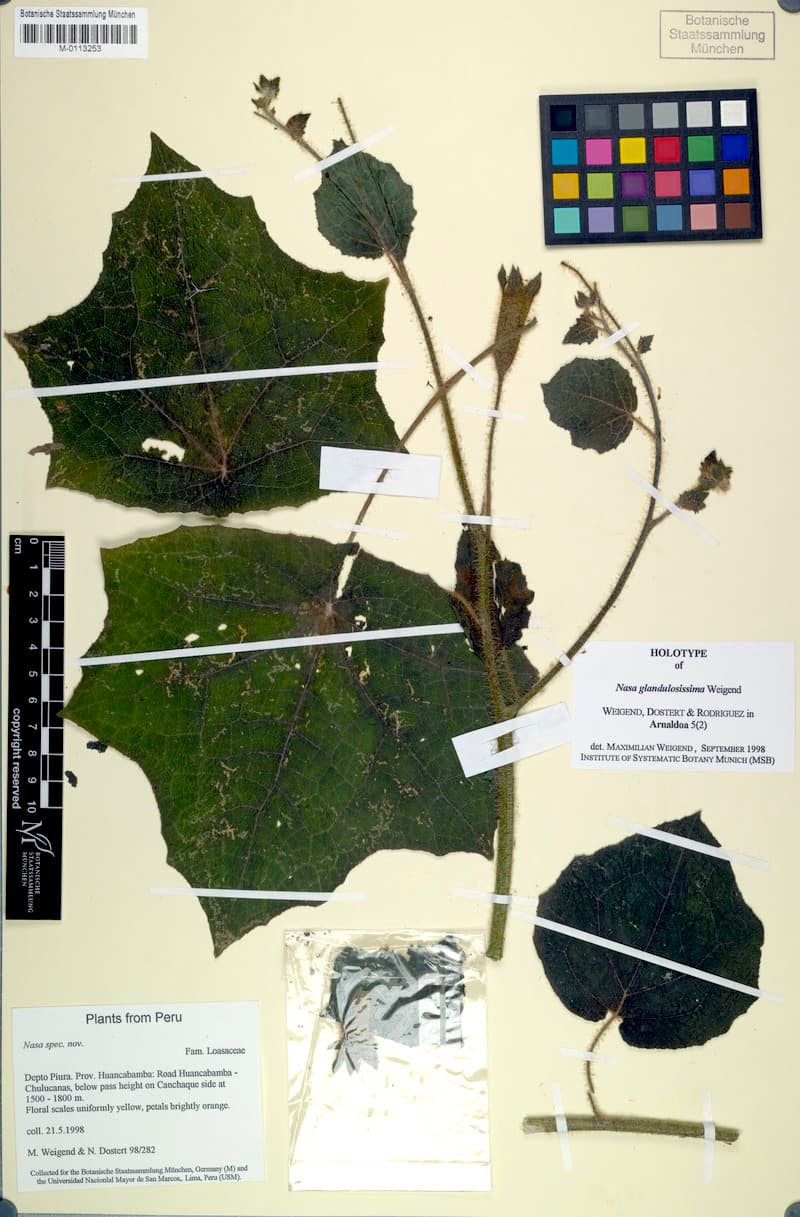
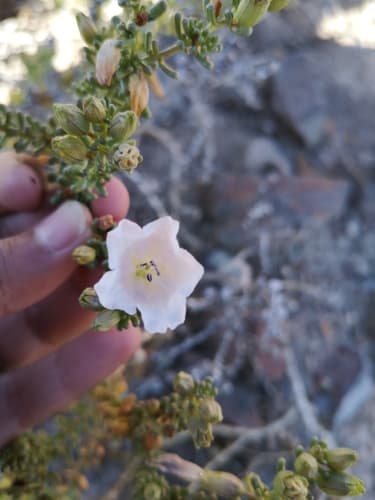
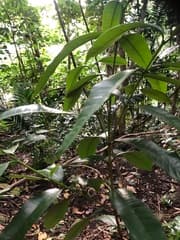
Gronovia scandens is a herbaceous climbing vine characterized by its palmately lobed, hairy leaves and small, star-shaped, yellowish-green flowers arranged in clusters. The plant is notable for its stinging hairs, which can cause skin irritation upon contact.