Western Nightshade
NameWestern Nightshade
Scientific NameSolanum hesperium
Common NamesWestern Nightshade, Hesperian Nightshade
Plant FamilySolanaceae
Natural HabitatNative to California and Baja California, found in dry, open areas, chaparral, grasslands, and woodlands, often on rocky or sandy soils.
Parts Usedwhole_plant
Medicinal Actionsanti-inflammatory, analgesic, sedative
Traditional UsesTraditionally, some Solanum species, including potentially S. hesperium, have been used externally as poultices for pain, inflammation, or skin conditions. Internal use is extremely rare and dangerous due to high toxicity, sometimes attempted in minute doses for sedative effects by experienced practitioners.
Active Constituentssteroidal glycoalkaloids, solanine, solasonine, solamargine
Preparation Methodspoultice, salve
Contraindications & WarningsAll parts of Solanum hesperium are considered toxic due to steroidal glycoalkaloids. Ingestion can cause severe gastrointestinal upset, neurological symptoms, and can be fatal. Avoid internal use entirely. Not for use by pregnant or breastfeeding women, children, or individuals with liver, kidney, or neurological conditions. External use should be approached with extreme caution.
Cultivation NotesThis drought-tolerant plant thrives in full sun and well-drained, sandy or rocky soils. It can be propagated from seed and requires minimal water once established.
Rarityuncommon
Description
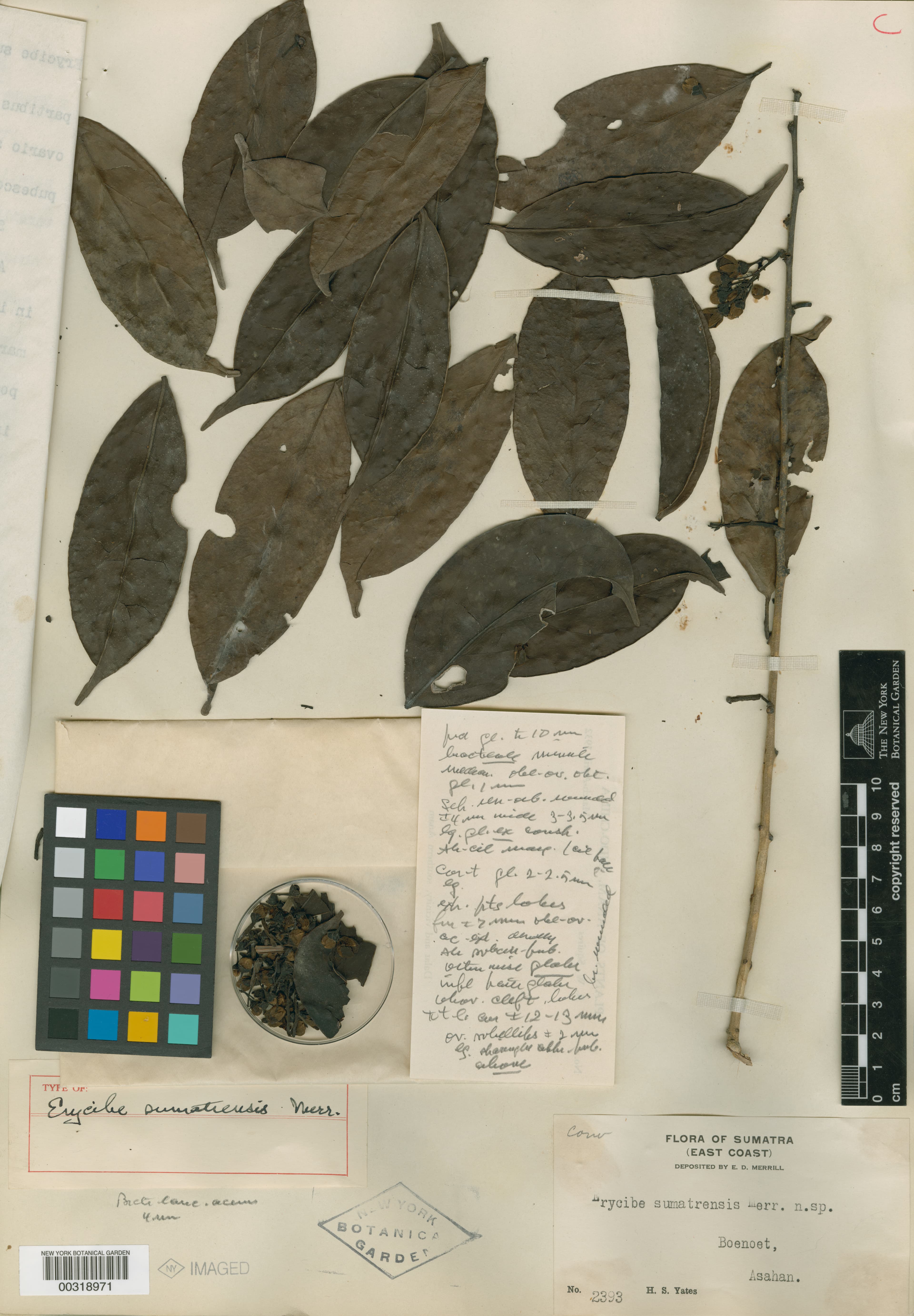
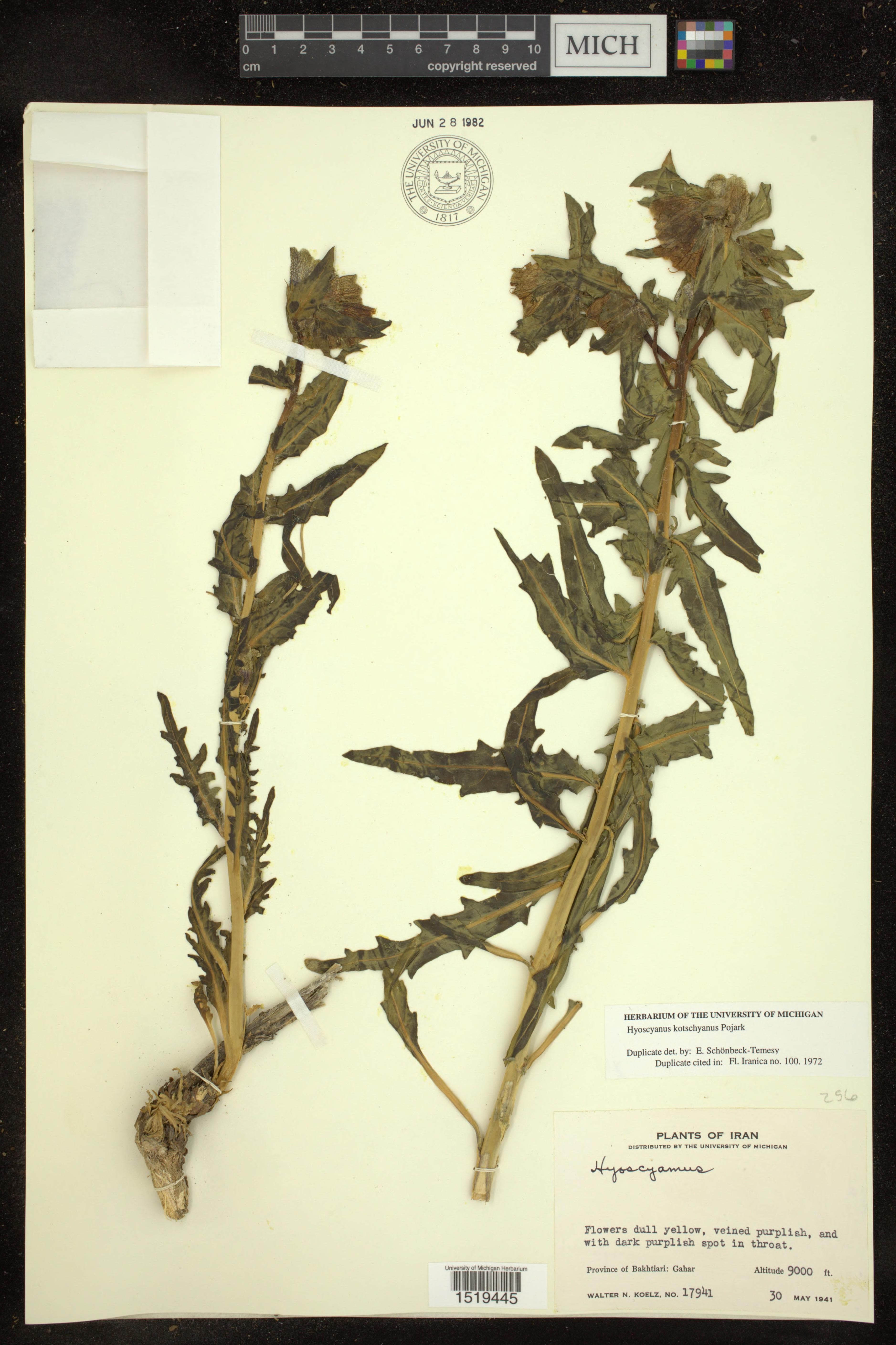
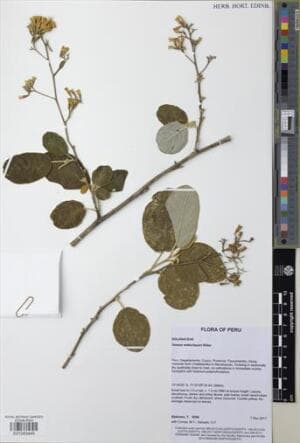
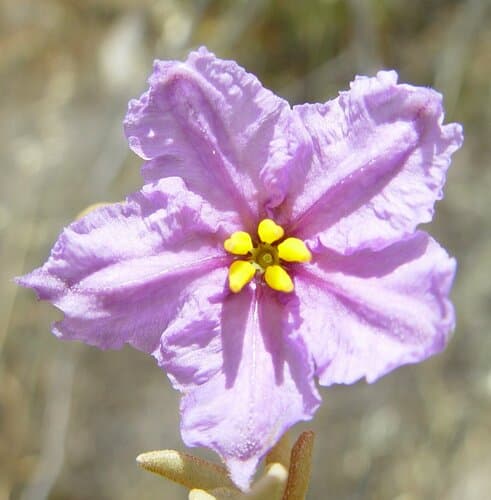
Solanum hesperium is a perennial herb or subshrub native to western North America, characterized by its attractive purple, star-shaped flowers with prominent yellow anthers. It typically grows in dry, open habitats and produces small berries.