Solanum longiconicum
NameSolanum longiconicum
Scientific NameSolanum longiconicum
Plant FamilySolanaceae
Natural HabitatNative to the Andes region of South America, particularly Peru, Solanum longiconicum thrives in montane forests, forest edges, and disturbed areas at various elevations.
Parts Usedwhole_plant
Medicinal Actionsanti-inflammatory
Traditional UsesSpecific traditional medicinal uses for Solanum longiconicum are not widely documented. However, within the Solanum genus, some species have been traditionally used topically for their anti-inflammatory properties, often applied as poultices for skin conditions or localized pain, though with significant caution due to potential toxicity.
Active ConstituentsSteroidal glycoalkaloids
Preparation Methodspoultice, powder
Contraindications & WarningsAll parts of Solanum longiconicum, like many species in the Solanum genus, are likely toxic due to the presence of steroidal glycoalkaloids. Ingestion, especially of unripe fruits and leaves, can cause severe gastrointestinal upset, neurological symptoms, and can be fatal. Internal use is strongly contraindicated without expert supervision. External use should also be approached with extreme caution due to potential skin irritation or systemic absorption.
Cultivation NotesThis species prefers well-drained soil and can tolerate full sun to partial shade. It is typically propagated from seed and requires moderate watering. As a plant from montane regions, it may prefer cooler temperatures and consistent moisture.
Rarityuncommon
Description
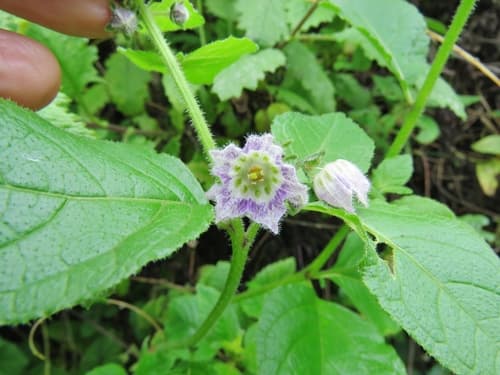
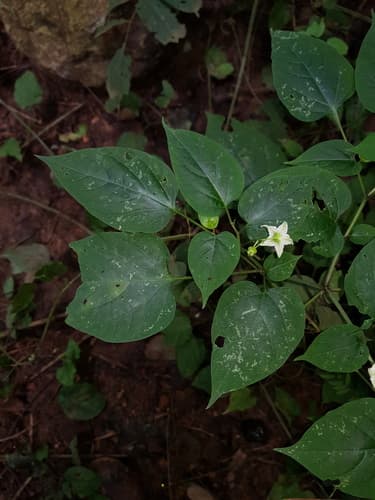
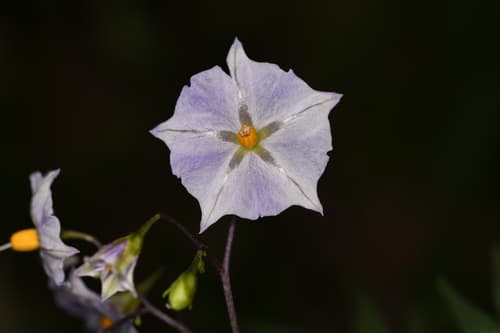
Solanum longiconicum is a herbaceous plant or small shrub characterized by its delicate, star-shaped flowers, typically pale lavender to white, with five petals fused at the base. A prominent cone of bright yellow anthers is centrally located within the corolla. The plant produces berries, which are characteristic of the Solanum genus.