Ulmus elongata
NameUlmus elongata
Scientific NameUlmus elongata
Common NamesLong-stalked Elm, Korean Elm
Plant FamilyUlmaceae
Natural HabitatNative to East Asia, including Korea, China, and Japan, where it typically grows in mixed forests, along streams, and on hillsides, preferring moist, well-drained soils.
Parts Usedbark,leaf
Medicinal Actionsdemulcent, anti-inflammatory, astringent, antioxidant
Traditional UsesTraditionally, the inner bark of elms has been used to soothe inflamed mucous membranes in the digestive tract, respiratory system, and urinary tract. It's also applied externally as a poultice for skin irritations, wounds, and boils. The leaves might have similar, though milder, demulcent properties.
Active ConstituentsMucilage, Tannins, Flavonoids, Phytosterols
Preparation Methodsinfusion, decoction, powder, poultice
Contraindications & WarningsGenerally considered safe. Due to its mucilaginous content, it may slow the absorption of other medications if taken concurrently; it's advisable to take it a few hours apart from other drugs.
Cultivation NotesPrefers full sun to partial shade and moist, well-drained soil. It is relatively hardy but can be susceptible to Dutch elm disease, like other elm species.
Rarityrare
Description
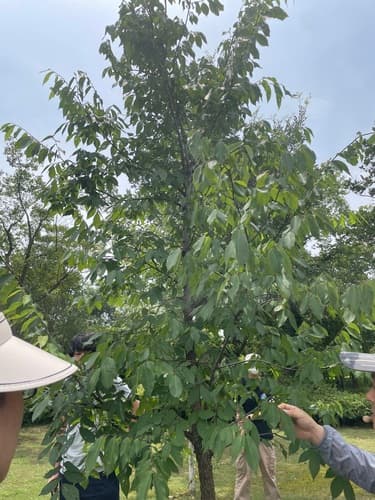
Ulmus elongata is a medium to large deciduous tree, characterized by its elongated, ovate-lanceolate leaves with serrated margins and prominent venation. The bark is typically fissured, and the tree produces small, inconspicuous flowers followed by winged samaras.