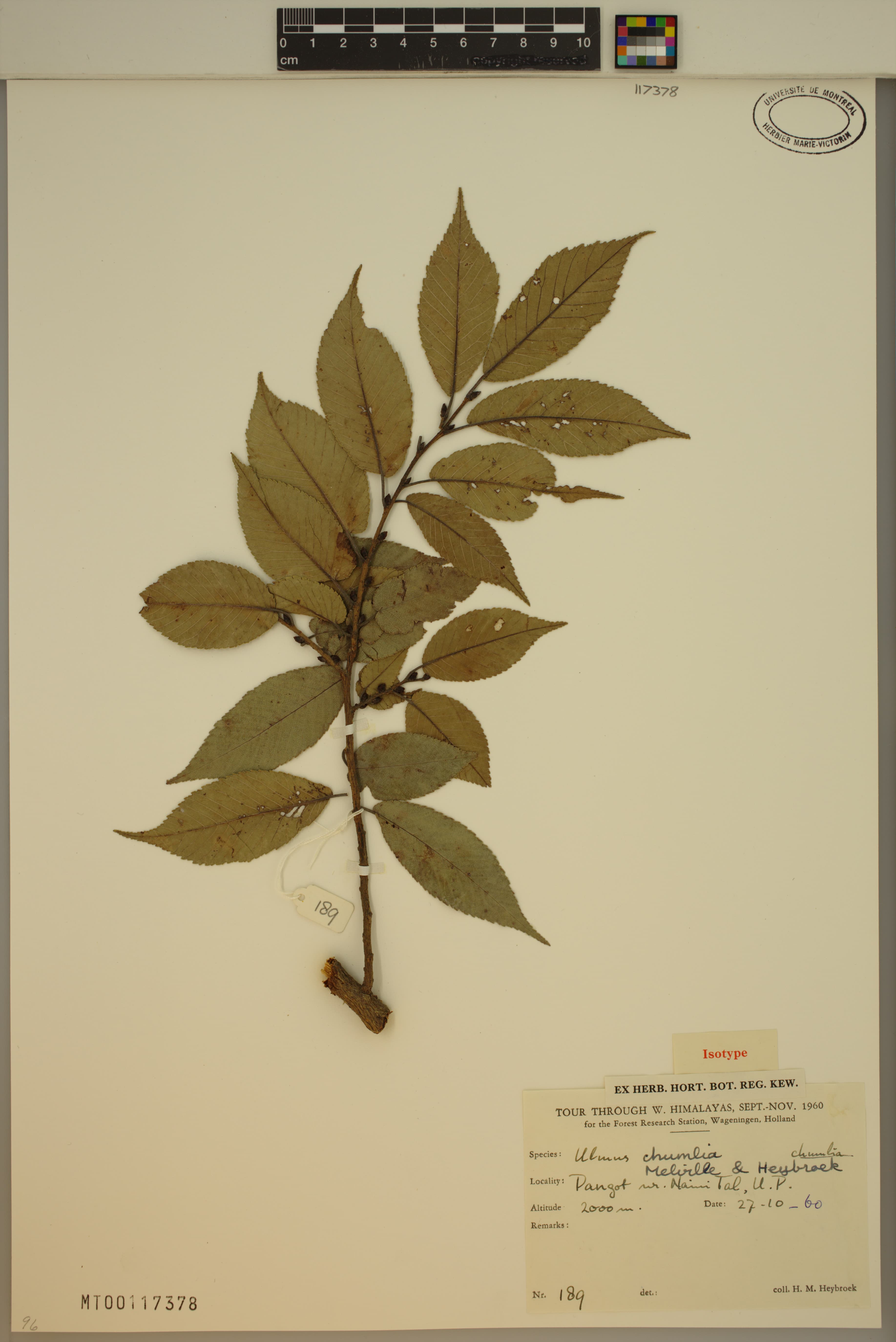
Ulmus chumlia
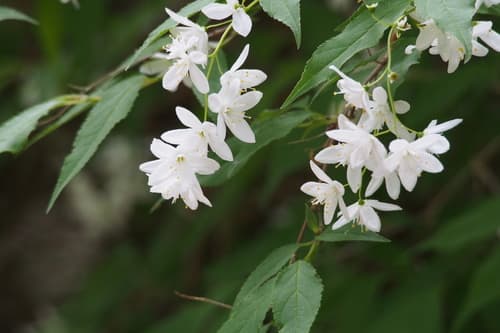
Image: Hamel, France (cc0)
NameUlmus chumlia
Scientific NameUlmus chumlia
Common NamesHimalayan Elm, Chumlia Elm
Plant FamilyUlmaceae
Natural HabitatNative to the western Himalayas, found in moist temperate forests, often along riverbanks or in valleys, at altitudes typically between 1500-2500 meters.
Parts Usedbark,leaf
Medicinal Actionsdemulcent, anti-inflammatory, astringent
Traditional UsesWhile specific traditional uses for Ulmus chumlia are not extensively documented in widely accessible ethnobotanical literature, other Ulmus species, particularly Ulmus rubra (Slippery Elm), have a long history of use. The inner bark is traditionally used as a demulcent to soothe irritated mucous membranes, aiding conditions like sore throats, coughs, and digestive inflammation. It has also been applied topically for wounds and skin irritations. Given the botanical relationship, Ulmus chumlia likely shares similar traditional applications within its native range.
Active Constituentspolysaccharides (mucilage), tannins, phytosterols, flavonoids
Preparation Methodsdecoction, powder, poultice, infusion
Contraindications & WarningsGenerally considered safe. Due to its mucilage content, large doses may interfere with the absorption of other medications; it is advisable to take it separately from other drugs. Allergic reactions are rare.
Cultivation NotesPrefers moist, well-drained soil and full sun to partial shade. Tolerant of various soil types but thrives in rich, loamy soil. Requires adequate water, especially when young, and can be propagated by seed or cuttings.
Rarityuncommon
Description
Ulmus chumlia is a medium to large deciduous tree native to the Western Himalayas. It is characterized by its alternate, simple, ovate to elliptic leaves with serrated margins and a rough texture, producing small flowers and winged samaras.