Ulmus changii
NameUlmus changii
Scientific NameUlmus changii
Common NamesChang's Elm
Plant FamilyUlmaceae
Natural HabitatNative to central and southern China, growing in forests, valleys, and along streams at elevations of 500-1500 meters.
Parts Usedbark
Medicinal Actionsdemulcent, anti-inflammatory, astringent, diuretic
Traditional UsesIn traditional Chinese medicine, the bark of Ulmus species, including Ulmus changii or related elms, has been used to treat inflammatory conditions, soothe irritated mucous membranes, and as a diuretic. It is often applied topically for skin conditions or internally for gastrointestinal issues.
Active ConstituentsMucilage, Tannins, Flavonoids
Preparation Methodsinfusion, decoction, powder, poultice
Contraindications & WarningsGenerally considered safe, but large doses may interfere with the absorption of other medications due to its mucilage content. Pregnant or breastfeeding women should consult a healthcare professional before use.
Cultivation NotesPrefers full sun to partial shade and well-drained soil. It is relatively hardy and tolerant of various soil types, but thrives in moist, fertile conditions.
Rarityvery-rare
Description
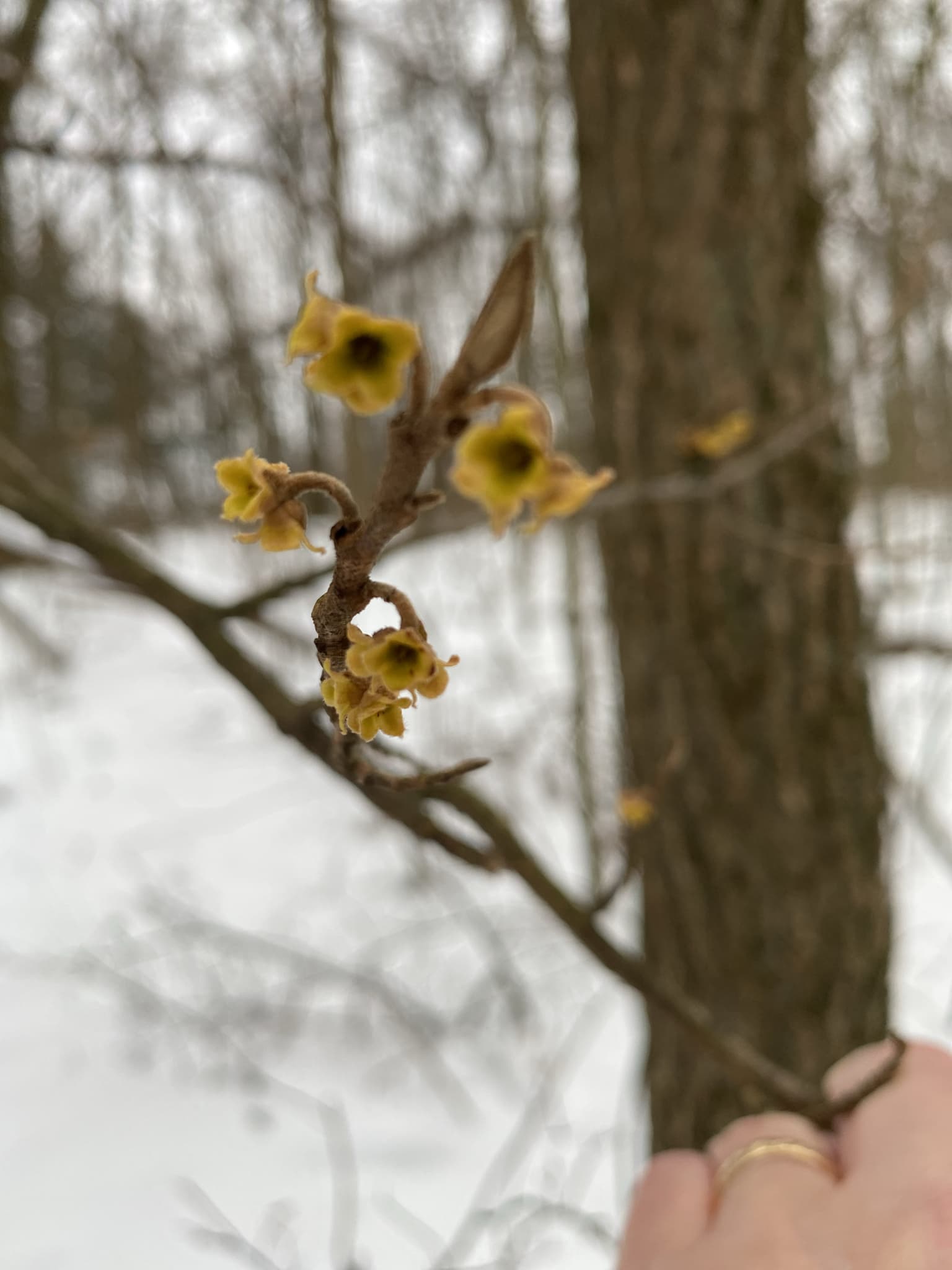
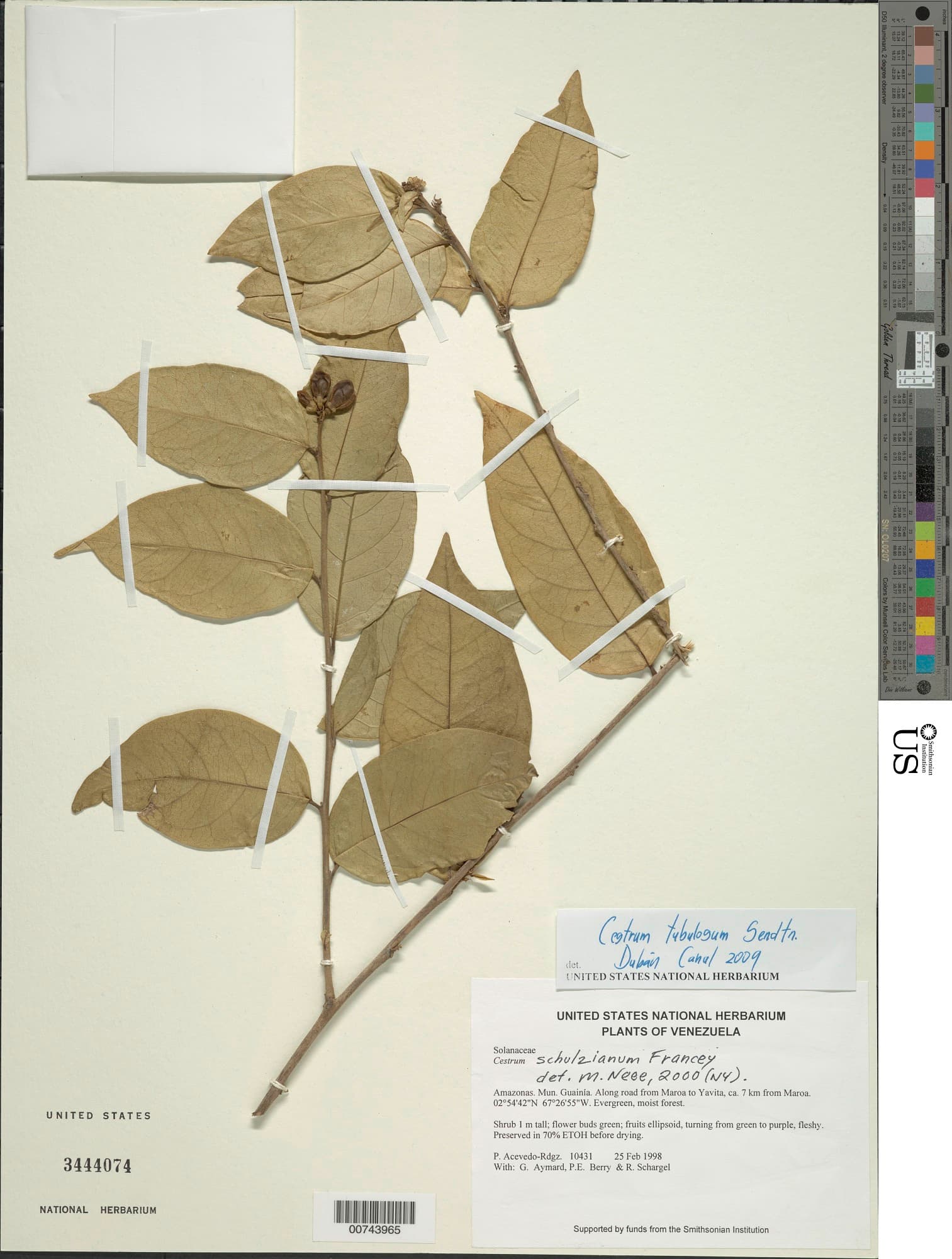

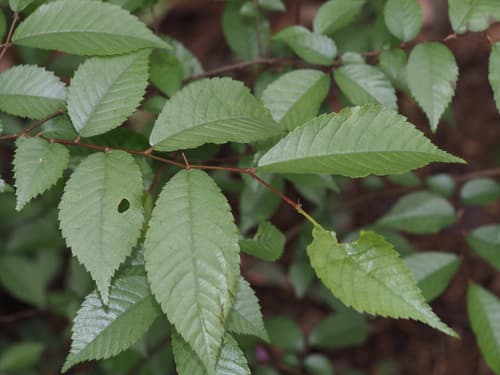
Ulmus changii is a deciduous tree characterized by its alternate, simple, ovate to elliptic leaves with sharply serrated margins and prominent parallel venation. The leaves are typically dark green above and paler beneath, often with an asymmetrical base.