Cestrum lehmannii
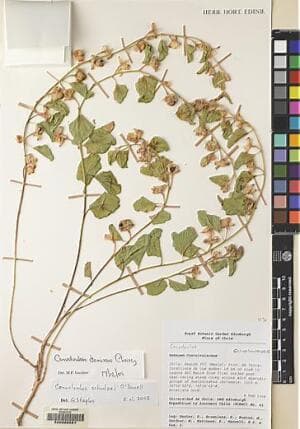
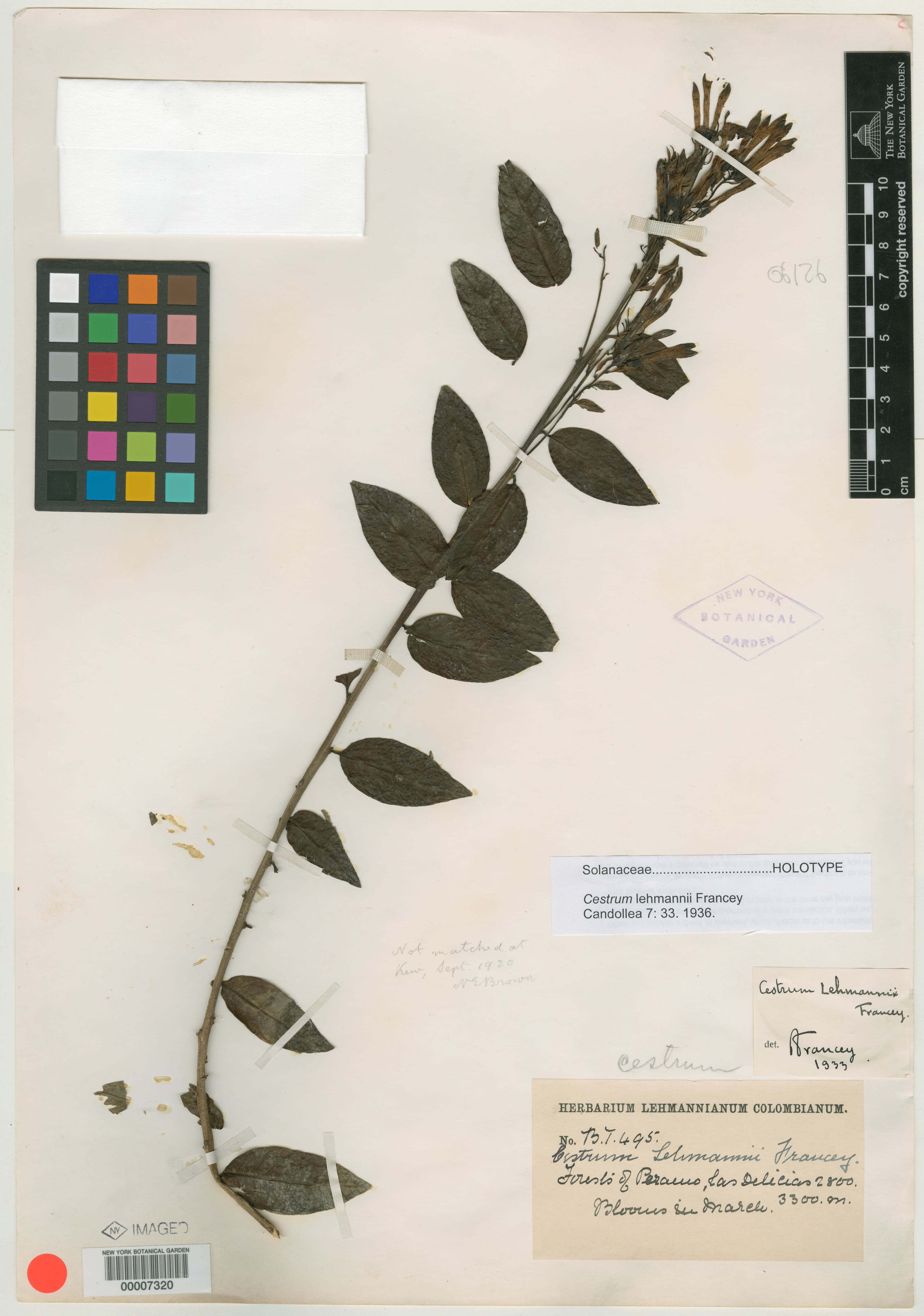
Image: The New York Botanical Garden (cc-by)
NameCestrum lehmannii
Scientific NameCestrum lehmannii Francey
Plant FamilySolanaceae
Natural HabitatThis species is native to high-altitude Andean paramo ecosystems, specifically documented from regions like Las Delicias and Piloous in Colombia, at elevations ranging from 2800 to 3300 meters above sea level.
Parts Used
Traditional UsesSpecific traditional medicinal uses for Cestrum lehmannii are not widely documented in general ethnobotanical literature. While other species within the genus Cestrum have been traditionally employed for various ailments, such uses are often associated with significant caution due to the genus's known toxicity.
Active Constituentssteroidal saponins, alkaloids, glycosides
Contraindications & WarningsThe genus Cestrum is widely recognized for its toxicity, containing compounds such as steroidal saponins and various alkaloids. Ingestion can lead to severe gastrointestinal upset, neurological symptoms, and cardiac issues. Due to these potential dangers, Cestrum lehmannii should be handled with extreme caution, and internal use is strongly discouraged without extensive scientific research and expert guidance.
Cultivation NotesAs a species originating from high-altitude paramo, Cestrum lehmannii likely requires cool, moist conditions with well-drained soil. Successful cultivation outside its natural habitat would necessitate specific environmental controls, including protection from extreme temperatures and careful management of soil moisture levels.
Rarityrare
Description
Cestrum lehmannii is a woody shrub or small tree, as evidenced by the pressed herbarium specimen. It features alternate, simple, ovate-lanceolate leaves and terminal inflorescences with dried, tubular flowers, characteristic of the Cestrum genus.