Tzimbalo
NameTzimbalo
Scientific NameSolanum caripense
Common NamesTzimbalo, Caripense
Plant FamilySolanaceae
Natural HabitatNative to the Andean highlands of South America, thriving in subtropical to temperate climates. It is often found in highland valleys, cultivated fields, and disturbed areas.
Parts Usedfruit
Medicinal Actionsantioxidant
Traditional UsesThe ripe fruit is primarily consumed fresh for its refreshing taste and nutritional value, contributing to general well-being. It is valued in traditional diets for its vitamin content.
Active ConstituentsVitamin C, carotenoids, phenolic compounds
Preparation Methodspowder
Contraindications & WarningsUnripe fruits, leaves, and stems contain solanine alkaloids and should not be consumed due to potential toxicity. Ripe fruits are generally considered safe for consumption.
Cultivation NotesPrefers well-drained soil and full sun exposure. Requires protection from frost and can be propagated from seeds or cuttings. It thrives in moderate temperatures.
Rarityuncommon
Description
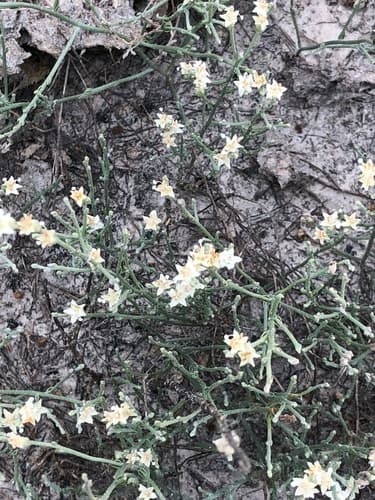
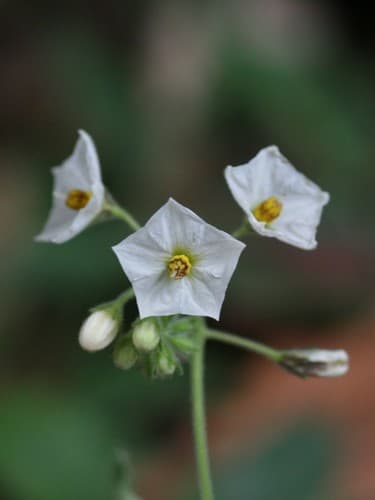
A herbaceous perennial shrub native to the Andes, typically growing 0.5-1.5 meters tall. It features small white to pale purple star-shaped flowers and produces small, ovoid, sweet-tart fruits.