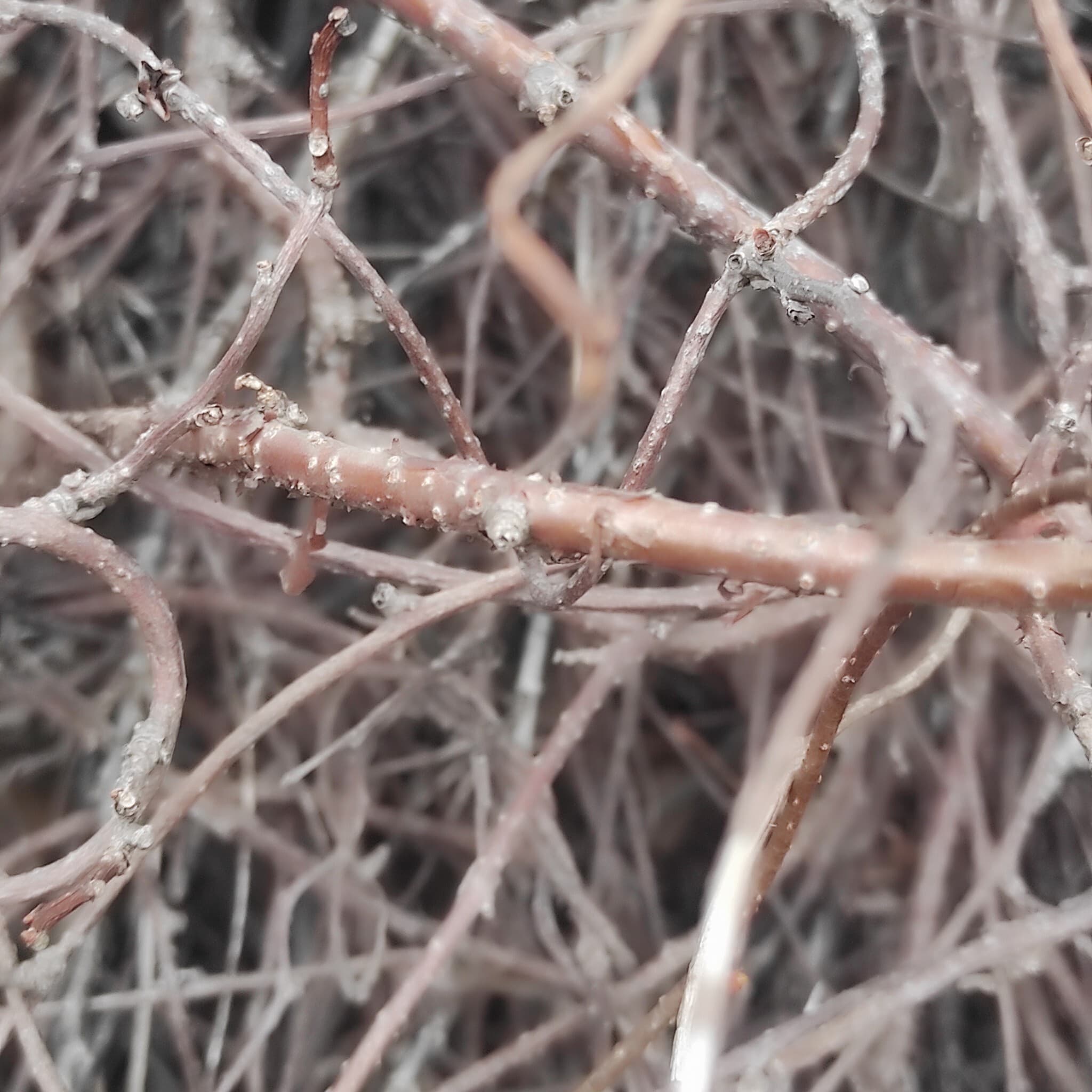
Schisandra
Image: Valery Kambalin (cc-by-nc)
NameSchisandra
Scientific NameSchisandra chinensis (Turcz.) Baill.
Common NamesFive-flavor berry, Magnolia vine, Wu Wei Zi
Plant FamilySchisandraceae
Natural HabitatNative to the forests and woodlands of Northern China, Korea, and parts of Russia, Schisandra chinensis thrives in temperate climates. It prefers moist, well-drained soils and is often found growing along forest edges or in clearings, climbing on trees and shrubs.
Parts Usedfruit,seed
Medicinal Actionsadaptogen, antioxidant, anti-inflammatory, nervine, sedative
Traditional UsesTraditionally, Schisandra is a cornerstone of Traditional Chinese Medicine (TCM), revered as 'wu wei zi' or 'five-flavor berry' for its unique combination of sweet, sour, pungent, bitter, and salty tastes. It is primarily used as an adaptogen to enhance vitality, improve mental clarity, support liver function, reduce stress, and promote restful sleep. It's also valued for its ability to tonify Qi and Jing, and to astringe lung and kidney functions.
Active ConstituentsSchisandrins, Gomisins, Lignans, Essential oils, Vitamins C and E
Preparation Methodsinfusion, decoction, tincture, powder
Contraindications & WarningsGenerally considered safe, but caution is advised during pregnancy and lactation. It may interact with certain medications, particularly those metabolized by the liver (e.g., warfarin, some immunosuppressants) due to its effects on cytochrome P450 enzymes. Individuals with acid reflux or peptic ulcers should use with caution due to its sour taste.
Cultivation NotesSchisandra chinensis prefers well-drained, fertile soil and partial shade, especially in hotter climates. It is a dioecious plant, meaning separate male and female plants are typically required for fruit production, although some self-fertile cultivars exist. It requires a sturdy trellis or support structure for its climbing habit.
Raritycommon
Description
Schisandra chinensis is a deciduous woody vine known for its clusters of bright red berries. It features twining stems and can grow quite vigorously, often seen climbing on other vegetation in its native habitat. The image displays the plant's bare, reddish-brown woody stems, indicative of a dormant state.