Turkey Berry
NameTurkey Berry
Scientific NameSolanum torvum
Common NamesTurkey Berry, Devil's Fig, Prickly Nightshade, Susumber, Pea Eggplant, Sundakkai
Plant FamilySolanaceae
Natural HabitatNative to Central and South America, but widely naturalized in tropical and subtropical regions worldwide. It thrives in disturbed areas, roadsides, forest edges, clearings, and agricultural lands.
Parts Usedfruit,leaf,root,whole_plant
Medicinal Actionsanti-inflammatory, antimicrobial, antioxidant, diuretic, analgesic, carminative, expectorant
Traditional UsesTraditionally used for treating colds, coughs, skin infections, wounds, and digestive issues like indigestion and flatulence. It is also employed in some traditional systems for anemia, hypertension, diabetes, and as a general tonic for various ailments.
Active ConstituentsSolasodine, Solamargine, Solasonine, Flavonoids, Saponins, Tannins, Phenolic compounds
Preparation Methodsinfusion, decoction, powder, poultice
Contraindications & WarningsPregnant and breastfeeding women should avoid use due to potential abortifacient properties. Individuals with allergies to nightshade plants should exercise caution. High doses may cause gastrointestinal upset, and it may interact with blood thinners or diabetes medications.
Cultivation NotesGrows easily from seed or cuttings in warm, humid climates. Prefers full sun to partial shade and well-drained soil. It is a vigorous grower and can become invasive if not managed.
Raritycommon
Description
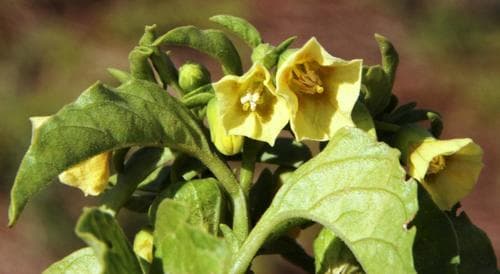
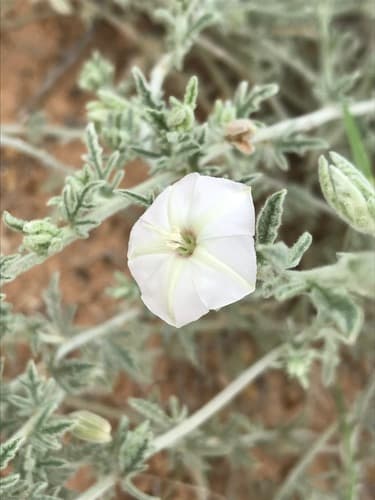
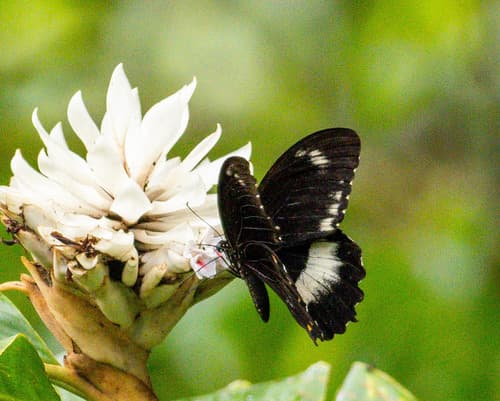
A robust, prickly, perennial shrub growing up to 2-3 meters tall, characterized by stellate hairs on its stems and leaves. It produces clusters of small, white, star-shaped flowers with prominent yellow anthers, which develop into numerous small, green to yellow-green berries.