Grape Groundcherry
NameGrape Groundcherry
Scientific NamePhysalis crassifolia
Common NamesGrape groundcherry, Thick-leaved groundcherry, Desert groundcherry
Plant FamilySolanaceae
Natural HabitatThis plant is native to arid and semi-arid regions of southwestern North America, thriving in deserts, rocky slopes, and disturbed areas.
Parts Usedfruit
Medicinal Actionsantioxidant, anti-inflammatory, diuretic
Traditional UsesThe ripe fruits of grape groundcherry are edible and have been traditionally consumed for their nutritional value. While specific medicinal uses for *P. crassifolia* are less documented than for other *Physalis* species, the genus is generally recognized for fruits used to support overall health, reduce inflammation, and sometimes as a mild diuretic.
Active ConstituentsPhysalins, flavonoids, carotenoids, vitamins
Preparation Methodsinfusion, powder
Contraindications & WarningsUnripe fruits and other parts of *Physalis* species can contain solanine-like alkaloids and may be toxic if ingested. Only consume fully ripe fruits. Pregnant or breastfeeding individuals and those with allergies to the Solanaceae family should exercise caution.
Cultivation NotesGrape groundcherry prefers full sun and well-drained soil, exhibiting good drought tolerance once established. It can be propagated from seeds and is relatively low-maintenance in suitable climates.
Raritycommon
Description
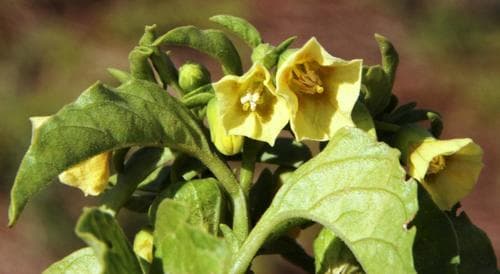
Grape groundcherry is a perennial herb characterized by its thick, somewhat fleshy, ovate to deltoid leaves and solitary, bell-shaped, pale yellow flowers. These flowers develop into a berry enclosed within an inflated, papery calyx, resembling a small lantern.