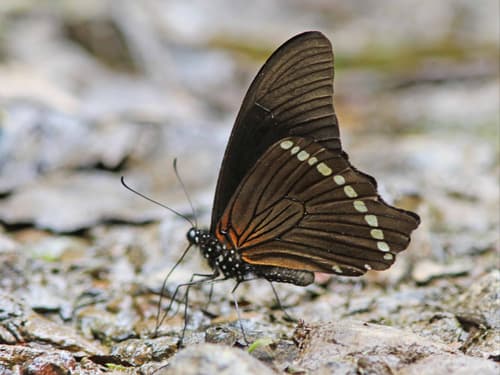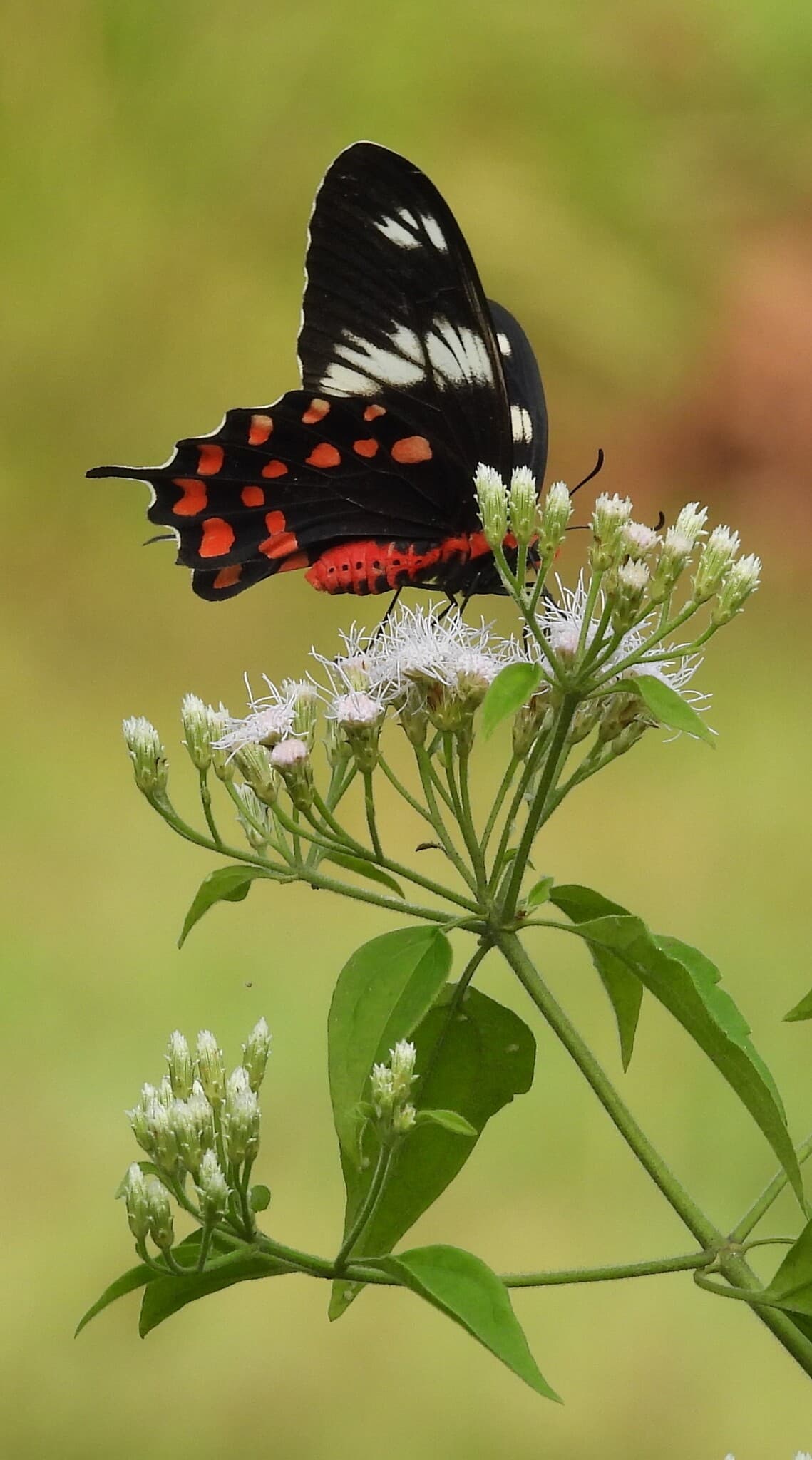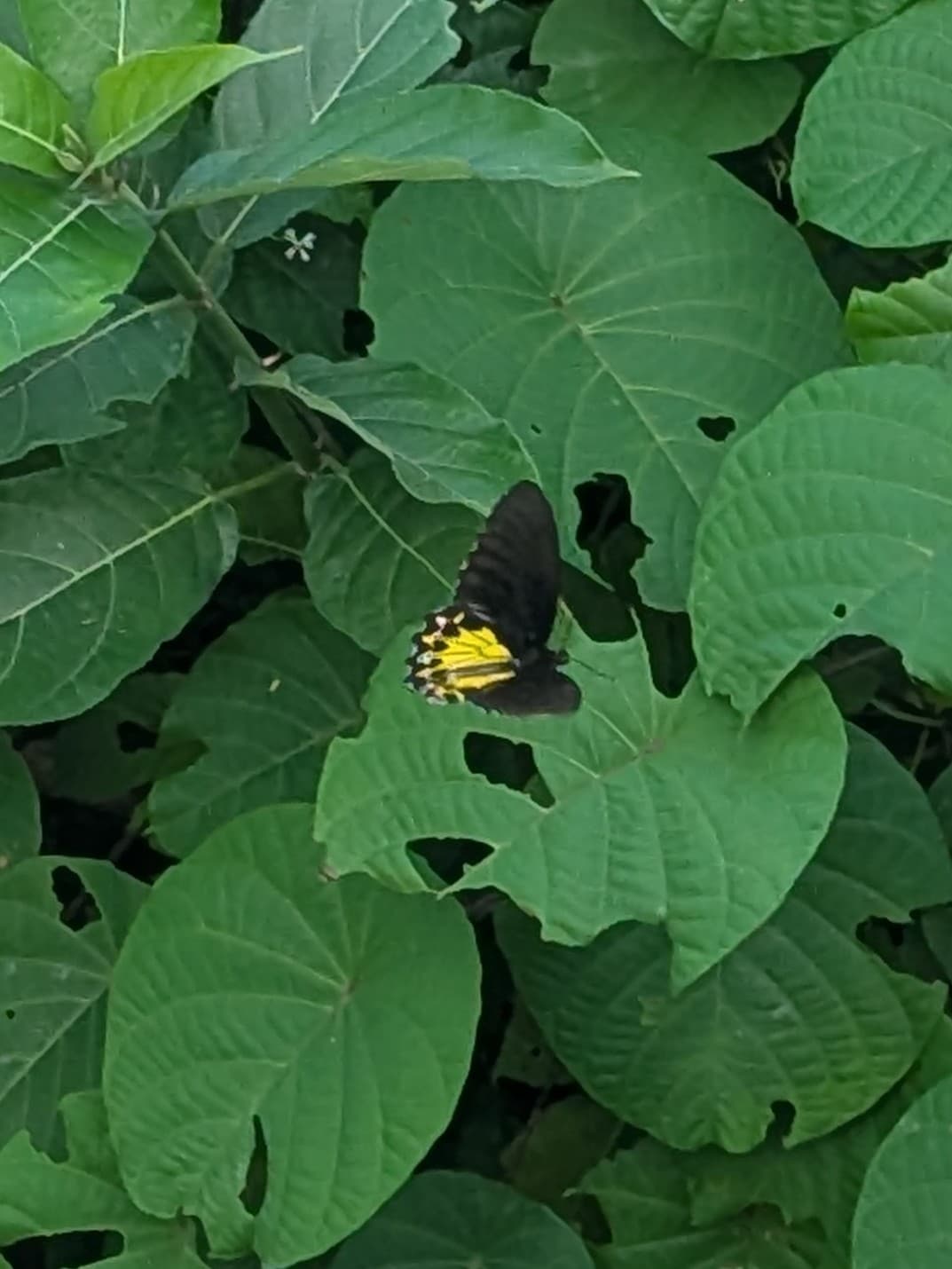
Troides tantalus
Image: Francesco Martoni (cc-by-nc)
NameTroides tantalus
Scientific NameTroides tantalus
Common NamesBirdwing Butterfly Host Plant, Dutchman's Pipe (generic for Aristolochia)
Plant FamilyAristolochiaceae
Natural HabitatFound in tropical and subtropical regions, particularly in rainforests, open woodlands, and disturbed areas, often climbing on other vegetation or growing as understory shrubs.
Parts Usedleaf,root,whole_plant
Medicinal Actionsanti-inflammatory, antimicrobial, diuretic
Traditional UsesTraditionally, various species within the *Aristolochia* genus have been used in different folk medicine systems for treating snakebites, skin infections, and as a diuretic. However, it is crucial to note that many *Aristolochia* species contain aristolochic acids, which are highly toxic and carcinogenic, leading to severe and irreversible kidney damage and cancer.
Active ConstituentsAristolochic acids, alkaloids, lignans
Preparation Methodsdecoction, poultice, powder
Contraindications & WarningsSevere nephrotoxicity and carcinogenicity due to aristolochic acids. Internal use of *Aristolochia* species is strongly contraindicated and can be fatal. Avoid use in pregnancy, lactation, kidney disease, and cancer. External use should be approached with extreme caution and only under strict expert supervision due to potential systemic absorption.
Cultivation NotesPrefers warm, humid climates with well-drained, fertile soil. Can be grown as an ornamental vine, requiring support for climbing. Due to its significant toxicity, cultivation should be undertaken with extreme caution, especially in areas accessible to children or pets.
Rarityuncommon
Description
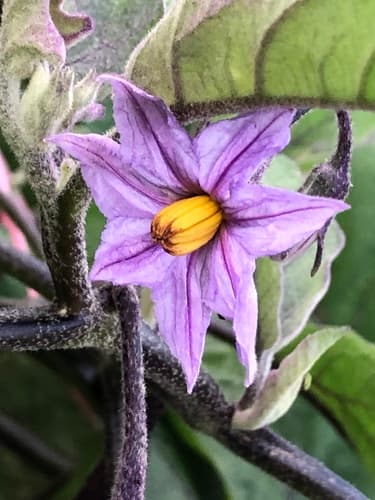
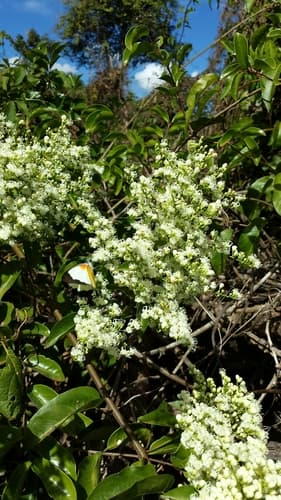
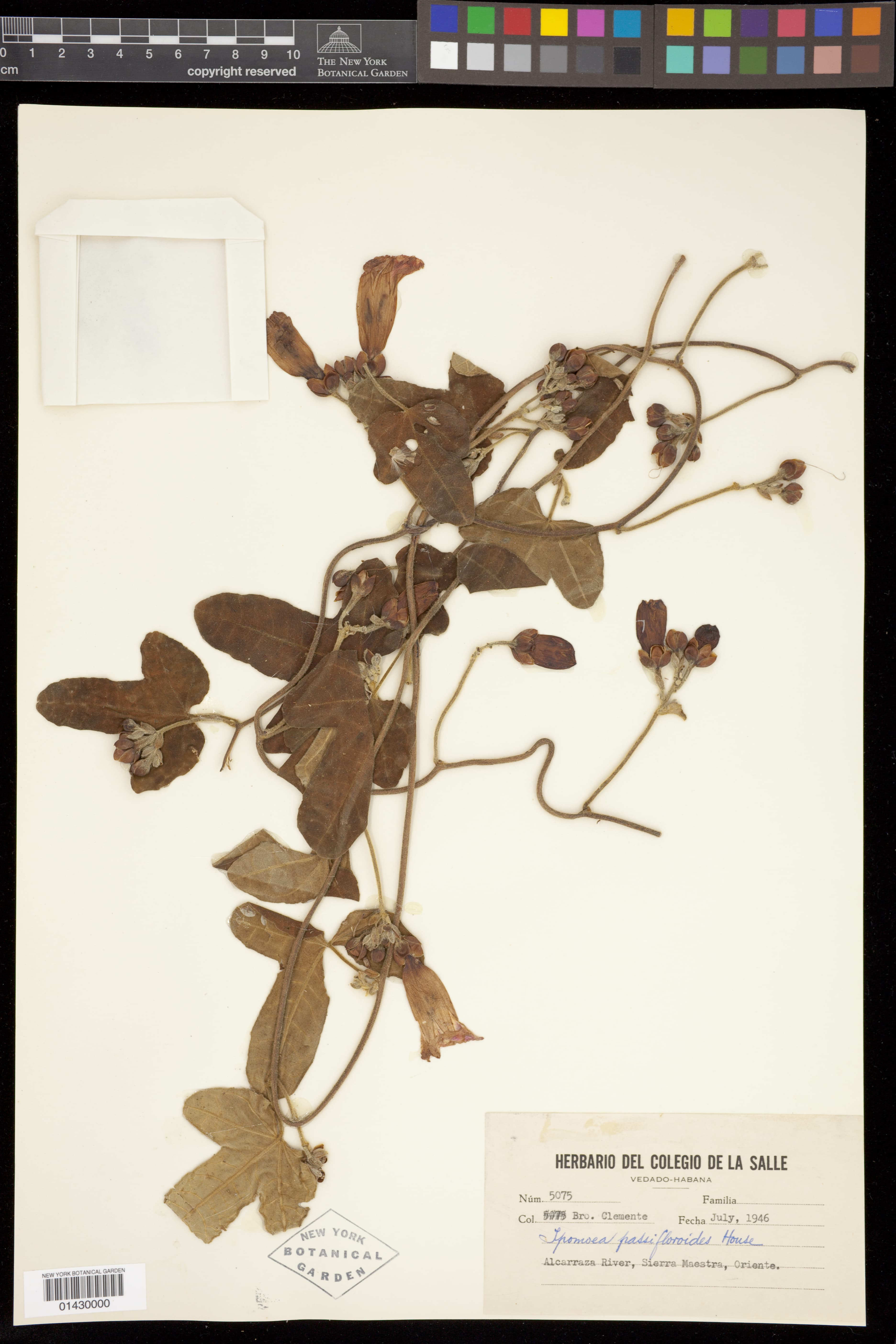
Despite the provided name referring to a butterfly species, this entry describes a medicinal plant commonly associated with the *Troides* genus of butterflies, specifically a species from the *Aristolochia* genus. These plants are typically climbing vines or shrubs characterized by large, heart-shaped to ovate leaves with prominent venation, often serving as host plants for butterfly larvae.