Eggplant
NameEggplant
Scientific NameSolanum melongena
Common NamesEggplant, Aubergine, Brinjal
Plant FamilySolanaceae
Natural HabitatNative to tropical and subtropical regions of Asia, eggplant is now widely cultivated globally in warm climates as a food crop.
Parts Usedfruit,leaf
Medicinal Actionsantioxidant, anti-inflammatory, diuretic
Traditional UsesIn traditional medicine, eggplant has been used to aid digestion, as a diuretic, and for its antioxidant properties. Some folk remedies suggest its use for managing diabetes and reducing cholesterol, though it is primarily consumed as a nutritious food.
Active ConstituentsAnthocyanins, Chlorogenic acid, Solasodine rhamnosyl glycosides (SRGs), Fiber, Vitamins, Minerals
Preparation Methodsinfusion, powder
Contraindications & WarningsGenerally safe when consumed as food. Some individuals may experience allergic reactions. Unripe fruits and leaves contain glycoalkaloids (like solanine) which can be toxic in large quantities. High oxalate content may be a concern for individuals prone to kidney stones.
Cultivation NotesEggplant thrives in full sun and requires warm temperatures, well-drained soil, and consistent moisture. It is typically grown as an annual in temperate climates and benefits from staking to support its heavy fruits.
Raritycommon
Description
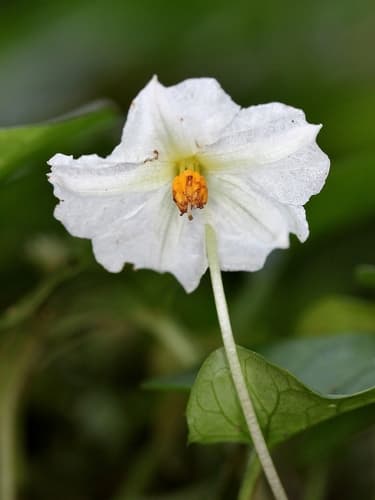
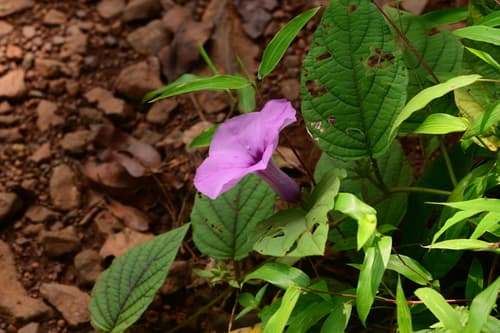
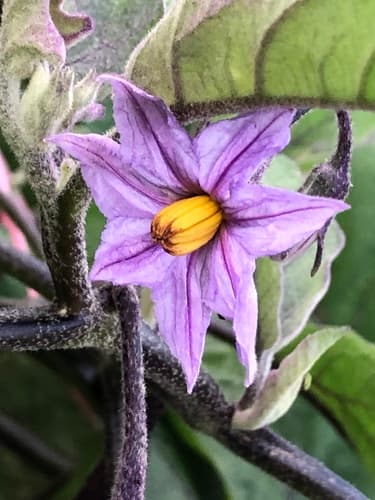
A herbaceous perennial, often cultivated as an annual, eggplant is known for its large, glossy, typically purple fruits. Its distinctive purple flowers feature five to six lobes and prominent yellow stamens, characteristic of the Solanaceae family.