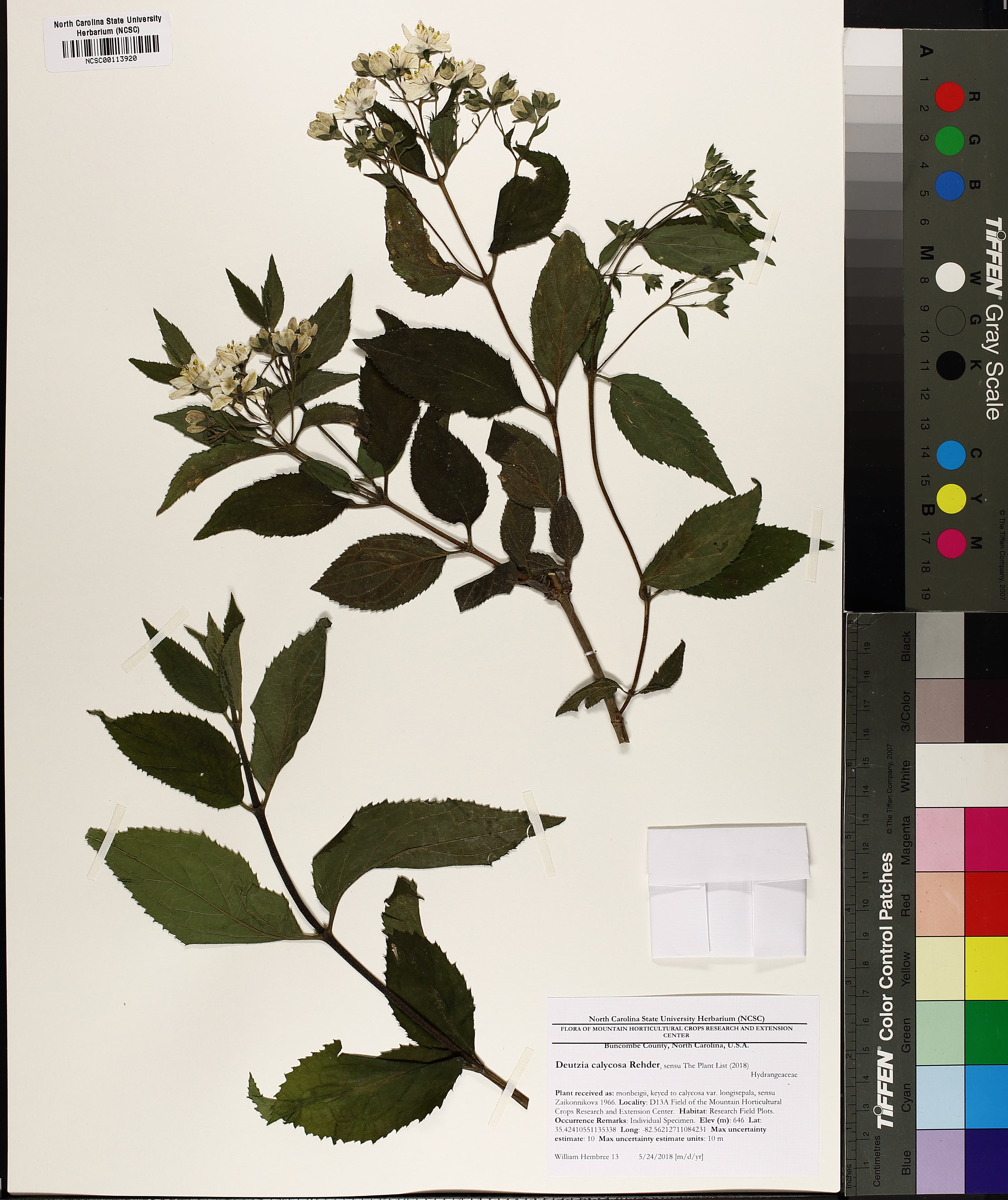
Tree Tobacco
NameTree Tobacco
Scientific NameNicotiana glauca
Common NamesTree Tobacco, Shrub Tobacco, Wild Tobacco, Mustard Tree, Tobacco Bush
Plant FamilySolanaceae
Natural HabitatNative to South America, it is now widely naturalized in arid and semi-arid regions globally. It thrives in disturbed areas, roadsides, riverbeds, and waste ground, tolerating poor soils and drought.
Parts Usedleaf,flower,whole_plant
Medicinal Actionsanalgesic, anti-inflammatory, antimicrobial
Traditional UsesTraditionally, the leaves have been used externally as poultices for bruises, swellings, sores, and rheumatic pain by some indigenous groups. Due to its extreme toxicity, internal use is generally considered lethal and is not recommended.
Active ConstituentsAnabasine, Nicotine, Nornicotine
Preparation Methodspoultice
Contraindications & WarningsEXTREMELY TOXIC. All parts of the plant are poisonous, especially the leaves, due to high concentrations of anabasine and other alkaloids. Ingestion can cause severe nicotine poisoning symptoms including nausea, vomiting, diarrhea, abdominal pain, dizziness, tremors, convulsions, respiratory paralysis, and death. It is toxic to humans and livestock. Internal use is strictly contraindicated. External use should be approached with extreme caution due to potential skin absorption and systemic toxicity, and is not recommended without expert guidance.
Cultivation NotesGrows easily from seed in full sun and well-drained soil. It is drought-tolerant and can thrive in poor, disturbed soils. This plant can become invasive in suitable climates.
Raritycommon
Description
Tree tobacco is a fast-growing, evergreen shrub or small tree, typically 2-6 meters tall, characterized by smooth, glaucous (bluish-green) leaves. It produces clusters of long, tubular, yellow-green flowers at the branch tips.