Tree Pepper
NameTree Pepper
Scientific NameCapsicum pubescens
Common NamesTree Pepper, Rocoto, Manzano Pepper, Peruvian Rocoto
Plant FamilySolanaceae
Natural HabitatNative to the high-altitude Andean regions of South America, it thrives in cooler, mountainous climates. It is cultivated globally in tropical and subtropical areas, often preferring conditions slightly cooler than other Capsicum species.
Parts Usedfruit,seed
Medicinal Actionsanalgesic, anti-inflammatory, antioxidant
Traditional UsesTraditionally used as a culinary spice, the fruits are valued for their unique heat and flavor. In folk medicine, it has been applied topically as a poultice or liniment for pain relief, muscle aches, and arthritis due to its capsaicin content. It is also consumed for its high vitamin C content and warming properties.
Active ConstituentsCapsaicin, Dihydrocapsaicin, Vitamin C, Carotenoids
Preparation Methodspowder, infusion, poultice
Contraindications & WarningsAvoid contact with eyes and mucous membranes due to extreme pungency. May cause skin irritation in sensitive individuals. Not recommended for internal use in large quantities or for individuals with gastrointestinal issues like ulcers.
Cultivation NotesPrefers full sun and well-drained soil, tolerating cooler temperatures better than most other Capsicum species. It is a perennial that can be overwintered in frost-free environments and requires consistent moisture.
Raritycommon
Description
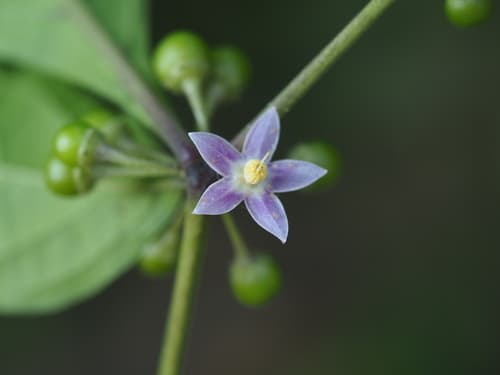
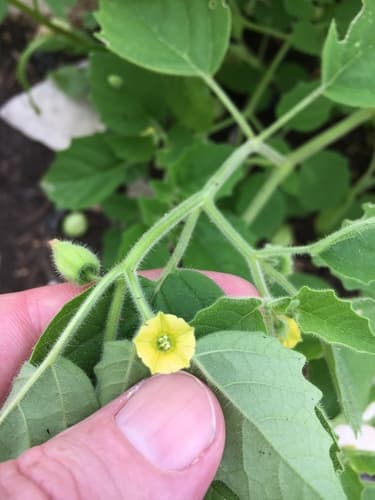
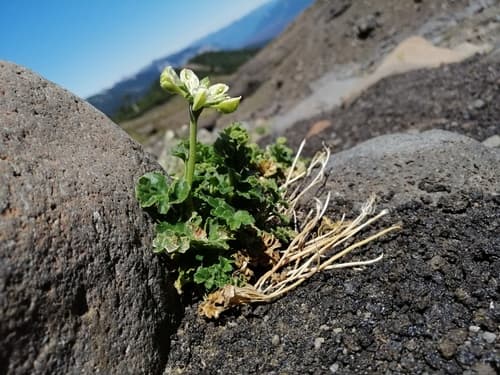
Capsicum pubescens is a perennial chili pepper species distinguished by its vibrant purple flowers, hairy leaves and stems, and characteristic black seeds. It typically grows into a robust, bushy plant, often taking on the form of a small tree or shrub.