Tobacco
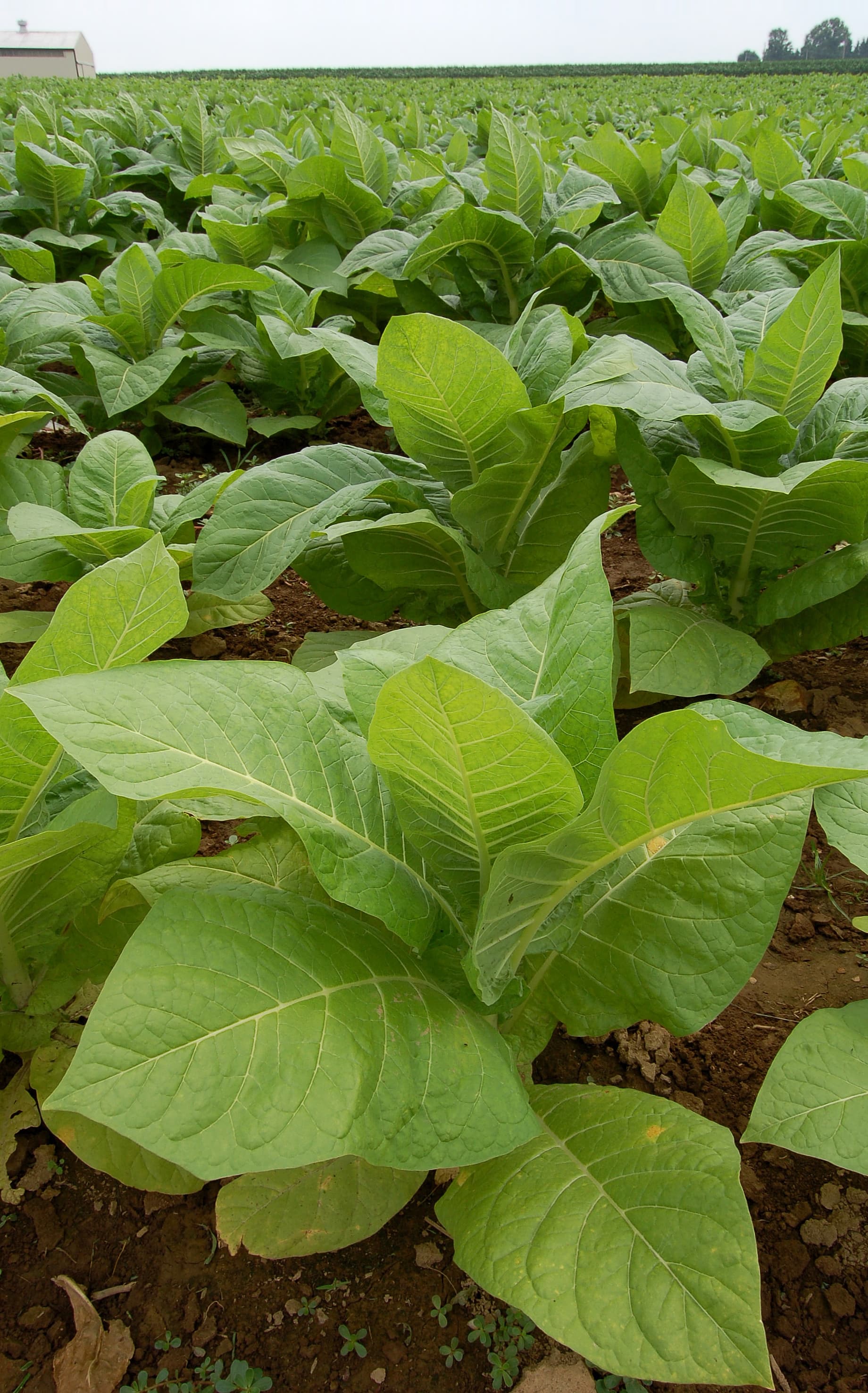
Image: Photo by and (c)2006 Derek Ramsey (Ram-Man) (CC BY-SA 4.0)
NameTobacco
Scientific NameNicotiana tabacum
Common NamesTobacco, Cultivated Tobacco, Common Tobacco
Plant FamilySolanaceae
Natural HabitatOriginally native to tropical and subtropical Americas, Nicotiana tabacum is now widely cultivated globally in temperate to warm climates. It thrives in well-drained, fertile soil and full sun, commonly found in agricultural fields.
Parts Usedleaf
Medicinal Actionsanalgesic, anti-inflammatory
Traditional UsesHistorically, tobacco has been used by indigenous cultures for ritualistic purposes, as a stimulant, and topically as a poultice for pain, inflammation, insect bites, and skin conditions. It was also used as an emetic, purgative, and for respiratory ailments, though its internal use is highly toxic and addictive.
Active ConstituentsNicotine, Nornicotine, Anabasine
Preparation Methodspoultice, powder, infusion
Contraindications & WarningsTobacco is highly toxic and addictive due to nicotine. It is contraindicated for internal use due to severe health risks including cardiovascular disease, cancer, and respiratory issues. Avoid use during pregnancy, breastfeeding, and in individuals with heart conditions, hypertension, or neurological disorders. External use should be approached with extreme caution due to potential systemic absorption.
Cultivation NotesTobacco is typically grown as an annual crop in warm climates with a long growing season. It requires fertile, well-drained soil, consistent moisture, and full sun. Plants are usually topped (flowers removed) to encourage larger leaf growth.
Raritycommon
Description
Nicotiana tabacum is a robust, herbaceous annual plant characterized by large, broad, sticky green leaves and a sturdy central stem. It typically grows 1 to 2 meters tall, producing pink or white trumpet-shaped flowers.