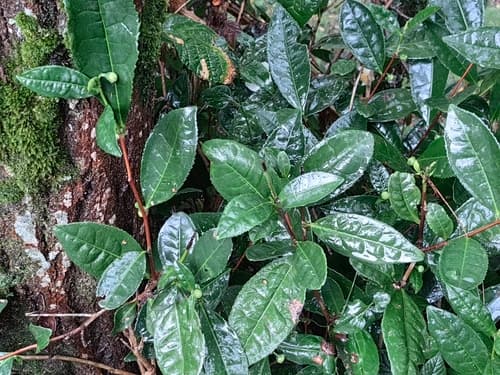
Tea
NameTea
Scientific NameCamellia sinensis
Common NamesTea Plant, Tea Bush, Chinese Tea
Plant FamilyTheaceae
Natural HabitatNative to East Asia, particularly China, India, and Myanmar, it thrives in tropical and subtropical regions with high rainfall, acidic soil, and often at high altitudes. It prefers well-drained soil and can tolerate both full sun and partial shade.
Parts Usedleaf
Medicinal Actionsantioxidant, astringent
Traditional UsesTraditionally, tea has been consumed as a stimulating beverage and a general tonic. It has been used to aid digestion, alleviate headaches, improve mental alertness, and as a mild diuretic. Different processing methods yield various types of tea (green, black, oolong), each with slightly varied traditional applications.
Active ConstituentsCaffeine, L-theanine, Catechins (e.g., EGCG), Polyphenols, Flavonoids
Preparation Methodsinfusion, powder
Contraindications & WarningsHigh consumption may lead to caffeine-related side effects like insomnia, nervousness, and heart palpitations. Tannins in tea can inhibit iron absorption, so individuals with iron deficiency should consume it between meals. Pregnant and breastfeeding women should moderate intake.
Cultivation NotesTea plants prefer well-drained, acidic soil (pH 4.5-6.0) and a warm, humid climate with consistent rainfall. They can be grown in partial shade to full sun, but often produce higher quality leaves in partial shade. Regular pruning is essential to maintain a manageable bush size and encourage new leaf growth for harvesting.
Raritycommon
Description
Camellia sinensis is an evergreen shrub or small tree, typically cultivated as a bush, known for its glossy, dark green, serrated leaves. It produces small, fragrant white flowers and small, hard fruits. The young leaves and leaf buds are harvested for tea production.