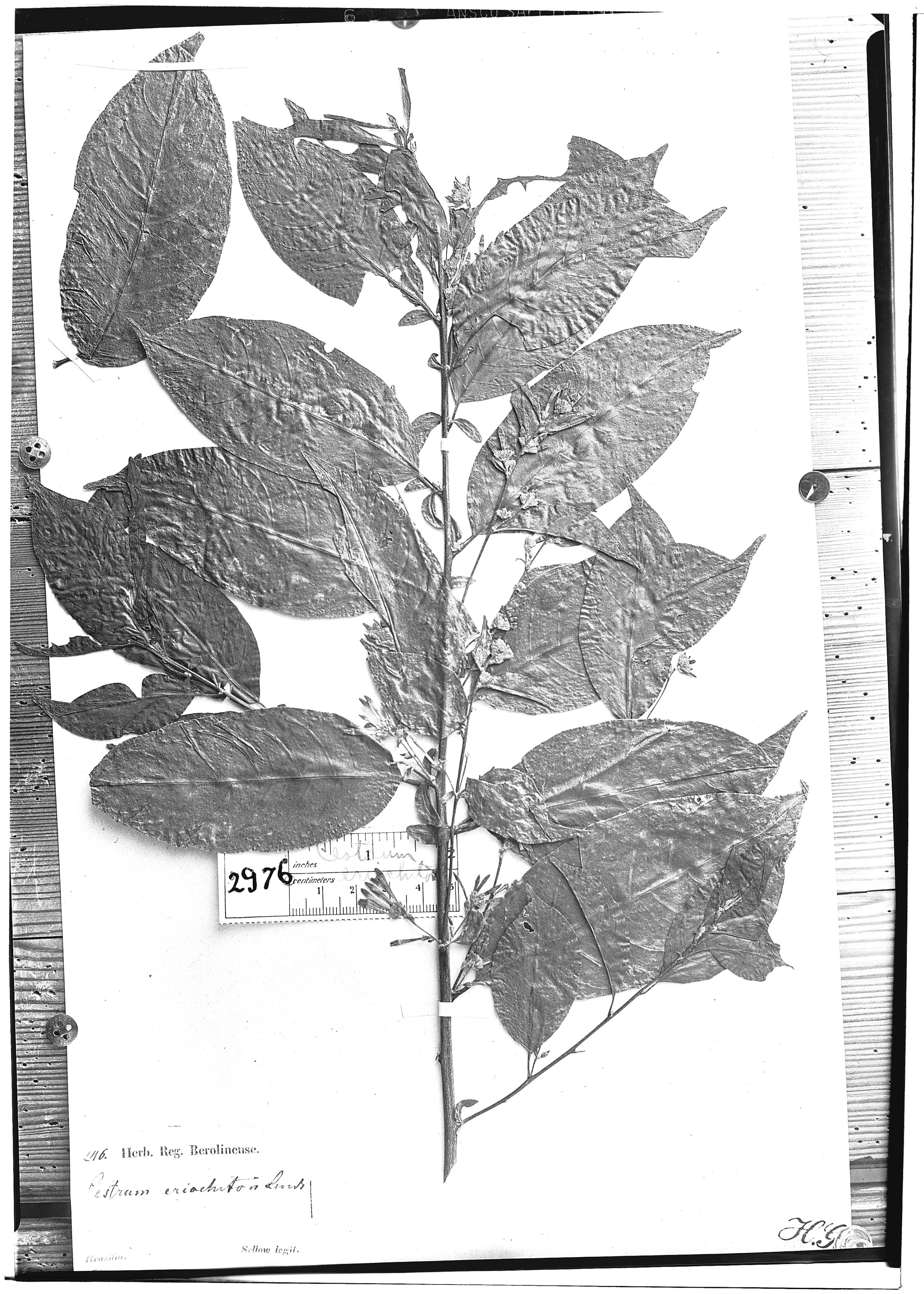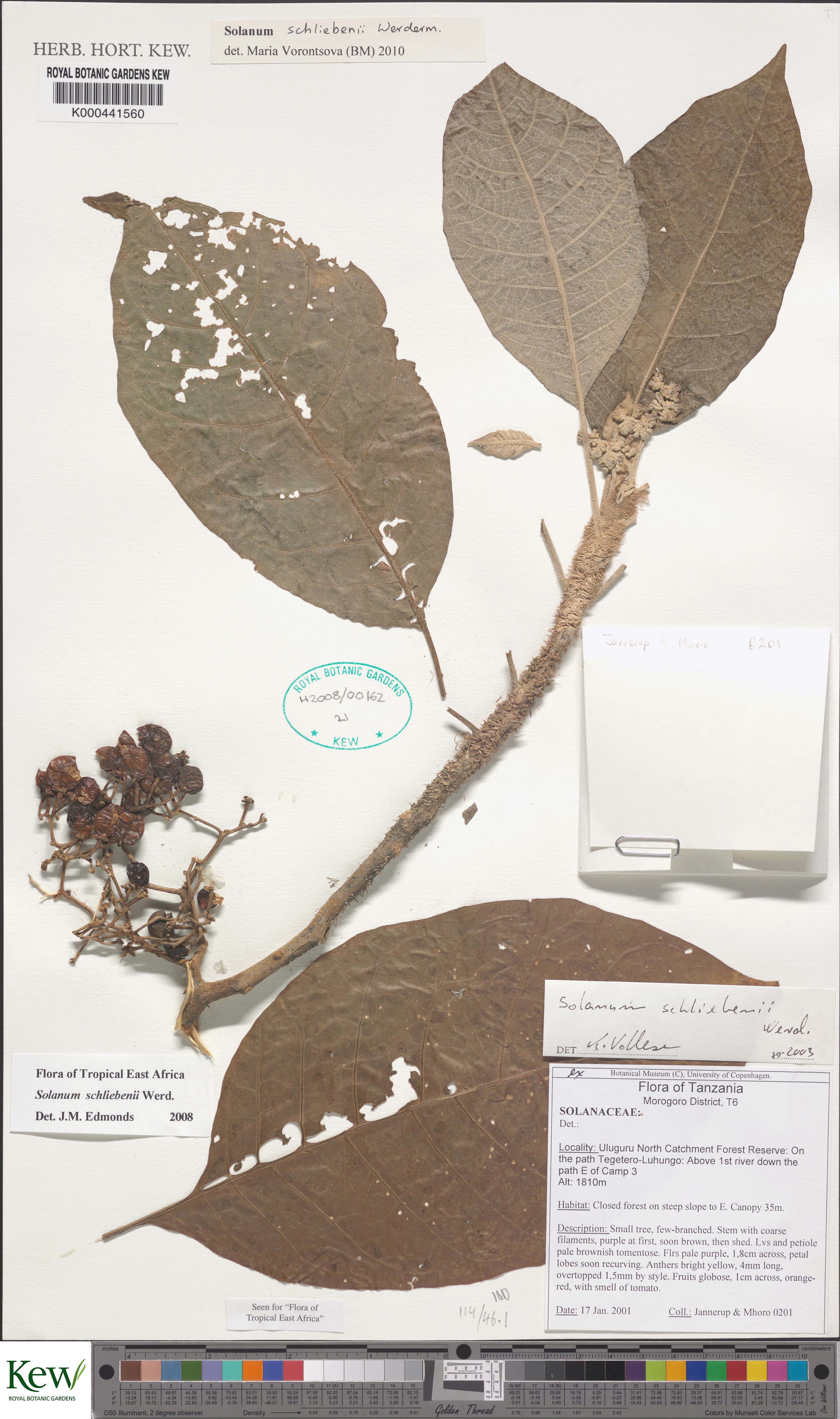
Solanum latens
NameSolanum latens
Scientific NameSolanum latens
Common NamesBrazilian Nightshade, Nightshade
Plant FamilySolanaceae
Natural HabitatNative to South America, particularly Brazil, where it grows in forests, disturbed areas, and along forest edges.
Parts Usedleaf,fruit
Medicinal Actionsantimicrobial, anti-inflammatory
Traditional UsesSpecific traditional medicinal uses for Solanum latens are not widely documented in mainstream ethnobotanical literature. However, other species within the Solanum genus have been used in various traditional medicine systems, often with extreme caution due to their toxic properties, for conditions such as inflammation or skin ailments.
Active ConstituentsSteroidal glycoalkaloids, Solanine, Solamargine
Preparation Methodsinfusion, decoction, poultice
Contraindications & WarningsAll parts of Solanum latens, especially unripe fruits and leaves, are considered potentially toxic due to the presence of steroidal glycoalkaloids. Ingestion can cause severe gastrointestinal upset, neurological symptoms, and can be fatal. Avoid use by pregnant or nursing women, children, and individuals with pre-existing health conditions. Consult a qualified expert before any use.
Cultivation NotesPrefers warm, humid climates and well-drained soil. Can tolerate partial shade to full sun. Requires consistent moisture.
Rarityuncommon
Description
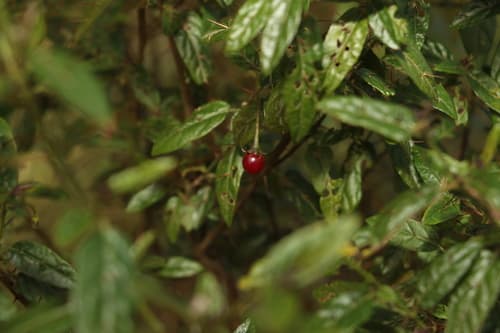
Solanum latens is a shrub or small tree native to South America, characterized by its simple green leaves and small, globose, red berries. Like many species in its genus, it contains potentially toxic compounds, particularly steroidal glycoalkaloids.