Nasa macrophylla
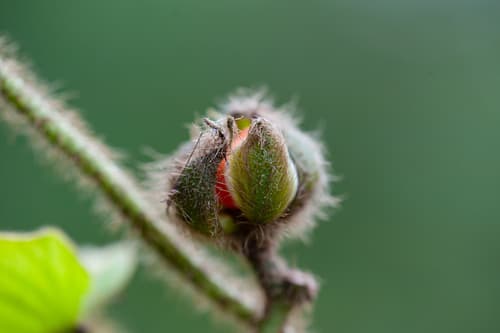
Image: Markus Ackermann (cc-by-nc)
NameNasa macrophylla
Scientific NameNasa macrophylla
Common NamesAndean Stinging Nettle
Plant FamilyLoasaceae
Natural HabitatNative to the Andean regions of South America, particularly in Peru and Ecuador. It thrives in humid montane forests, cloud forests, and disturbed areas at elevations typically between 2000 and 3500 meters.
Parts Usedleaf,whole_plant
Medicinal Actionsanalgesic, anti-inflammatory
Traditional UsesTraditionally, some Nasa species, including those with stinging hairs, have been used in Andean folk medicine. The stinging leaves are sometimes applied topically as a counter-irritant for rheumatic pain, arthritis, or muscle aches, similar to 'urtication' therapy with common nettle. Infusions of leaves have also been reported for fevers and general pain relief in some communities.
Active Constituentsflavonoids, triterpenes, alkaloids, histamine, acetylcholine, serotonin
Preparation Methodsinfusion, poultice
Contraindications & WarningsDirect contact with stinging hairs causes severe skin irritation, pain, and potential allergic reactions. Internal use lacks sufficient safety data and is not recommended for pregnant/nursing individuals or children.
Cultivation NotesPrefers cool, humid, high-altitude conditions with partial shade and well-drained, rich soil. Propagation is usually by seed. Handle with protective gloves due to stinging hairs.
Rarityuncommon
Description
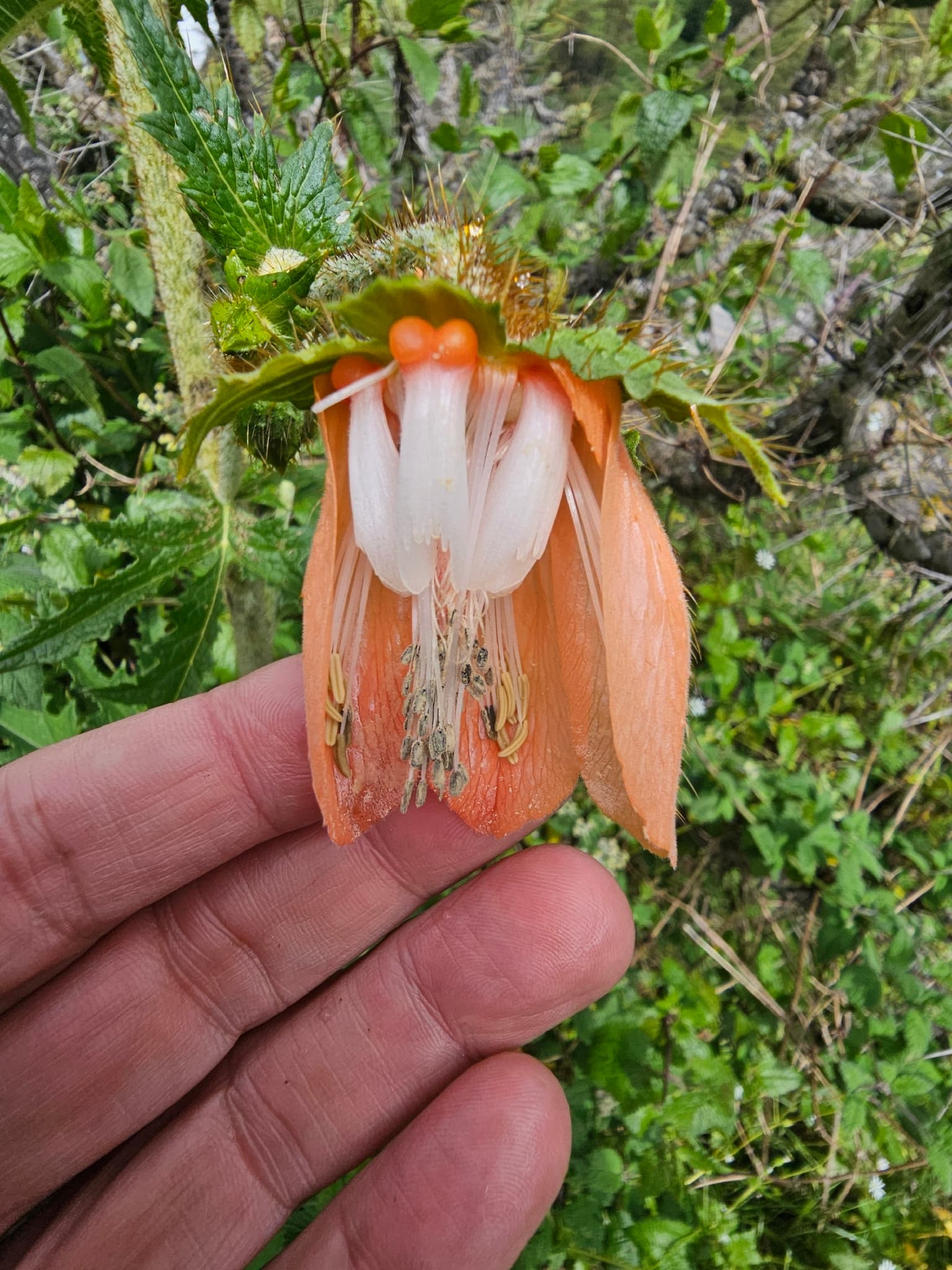
Nasa macrophylla is a robust herbaceous plant characterized by large, deeply lobed leaves and stems covered in stinging hairs. It produces striking, pendulous flowers, typically orange or reddish-orange, with prominent white staminodes and numerous stamens. The flower structure is complex and unique to the Loasaceae family.