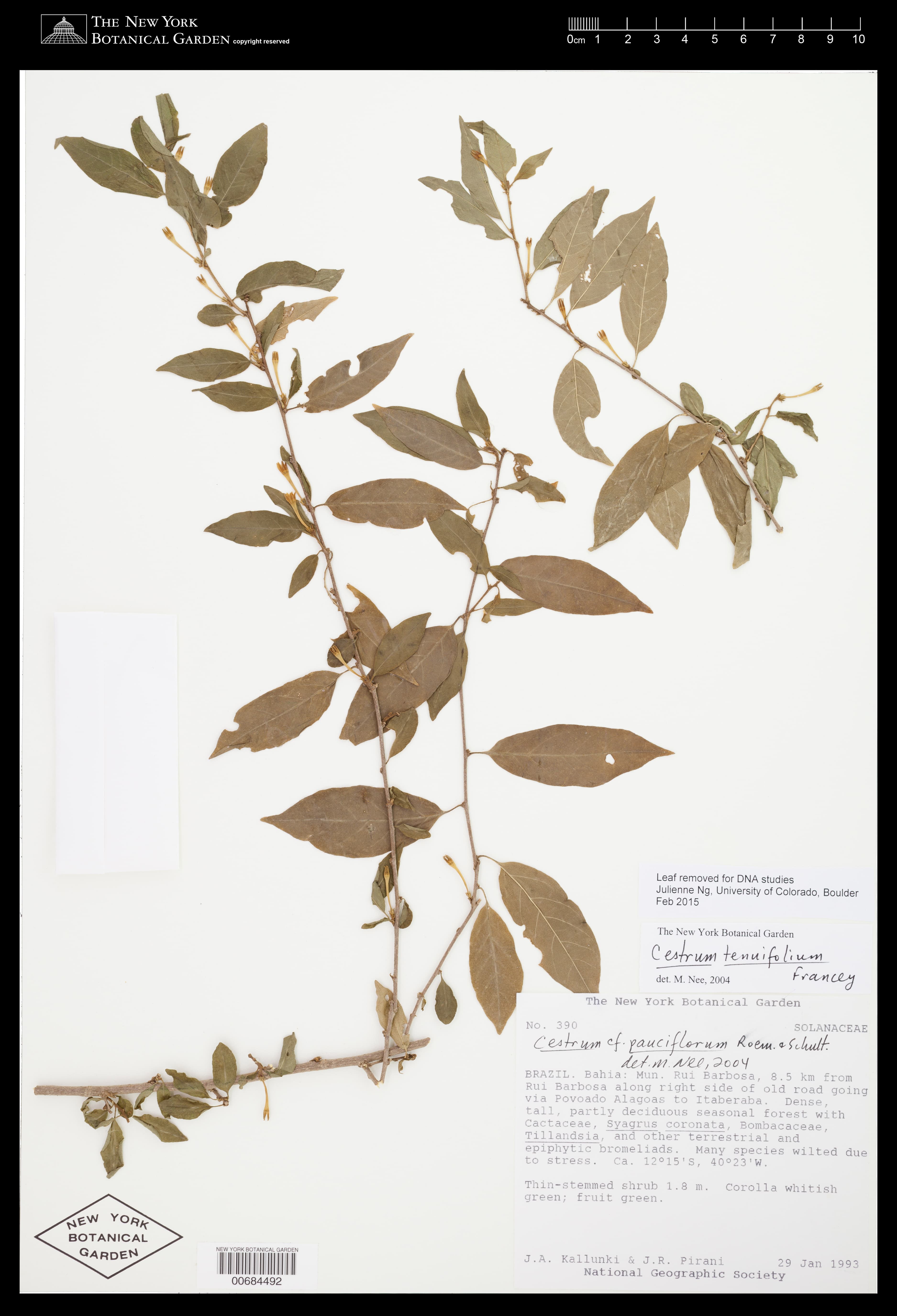
Divine Nightshade
NameDivine Nightshade
Scientific NameSolanum nigrum
Common NamesDivine Nightshade, Black Nightshade, Garden Nightshade, Deadly Nightshade
Plant FamilySolanaceae
Natural HabitatCommonly found in disturbed soils, cultivated fields, gardens, waste places, roadsides, and open woodlands across temperate and subtropical regions worldwide.
Parts Usedleaf,fruit,whole_plant
Medicinal Actionsanalgesic, anti-inflammatory, antimicrobial, sedative
Traditional UsesTraditionally, the leaves and ripe berries (with extreme caution) have been used externally as a poultice or wash for skin conditions like eczema, psoriasis, and boils, and for pain relief. Internally, it has been used as a sedative, antipyretic (fever reducer), and for certain inflammatory conditions, but such internal use is highly dangerous due to its toxicity.
Active ConstituentsSolanine, solamargine, solasonine, saponins, flavonoids, tannins
Preparation Methodsinfusion, poultice, salve
Contraindications & WarningsALL parts of the plant, especially unripe berries, are toxic. Internal use is highly discouraged and can be fatal. Contraindicated in pregnancy, lactation, children, and individuals with liver or kidney conditions. May interact with sedative medications.
Cultivation NotesThis plant is often considered a weed and grows readily in various soil types, preferring full sun to partial shade. It is easily propagated by seed and can self-seed aggressively.
Raritycommon
Description
An herbaceous annual or short-lived perennial plant, typically growing up to 1 meter tall. It features ovate, often wavy-margined leaves and clusters of small, white, star-shaped flowers with prominent yellow anthers, followed by green berries that ripen to black.