Sticky Groundcherry
NameSticky Groundcherry
Scientific NamePhysalis glutinosa
Common NamesSticky Groundcherry, Sticky Cape Gooseberry
Plant FamilySolanaceae
Natural HabitatNative to South America, particularly Peru and Ecuador, where it thrives in disturbed areas, roadsides, and open fields in warm climates.
Parts Usedfruit,leaf
Medicinal Actionsanti-inflammatory, antioxidant, antimicrobial
Traditional UsesTraditionally, various Physalis species have been used for their anti-inflammatory properties, to treat fevers, and as diuretics. The ripe fruit of P. glutinosa is consumed for its nutritional value and potential health benefits.
Active ConstituentsPhysalins, Flavonoids, Carotenoids
Preparation Methodsinfusion, powder
Contraindications & WarningsUnripe fruits of Physalis species can be toxic due to solanine-like compounds; only consume ripe fruits. Caution is advised for individuals with allergies to the Solanaceae family.
Cultivation NotesThis plant prefers full sun and well-drained soil, thriving in warm, frost-free environments. It can be propagated from seeds and requires moderate watering.
Rarityuncommon
Description
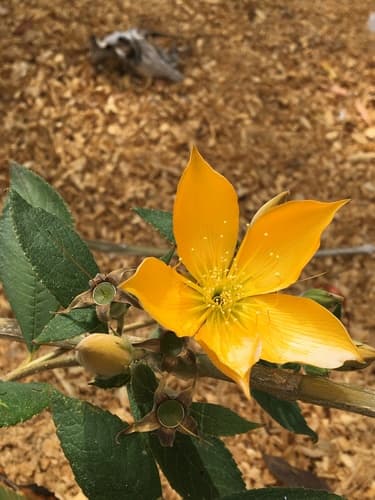
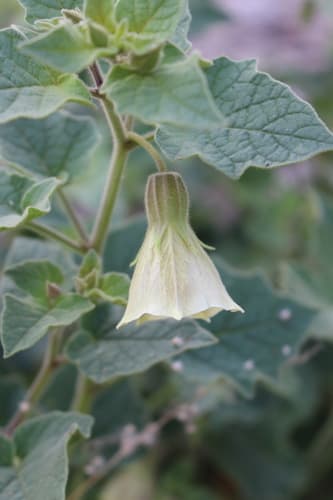
An herbaceous plant characterized by its sticky, glandular hairs covering the stems and leaves. It produces pale yellow, bell-shaped flowers that hang downwards, which later develop into edible fruits enclosed within an inflated, papery calyx.