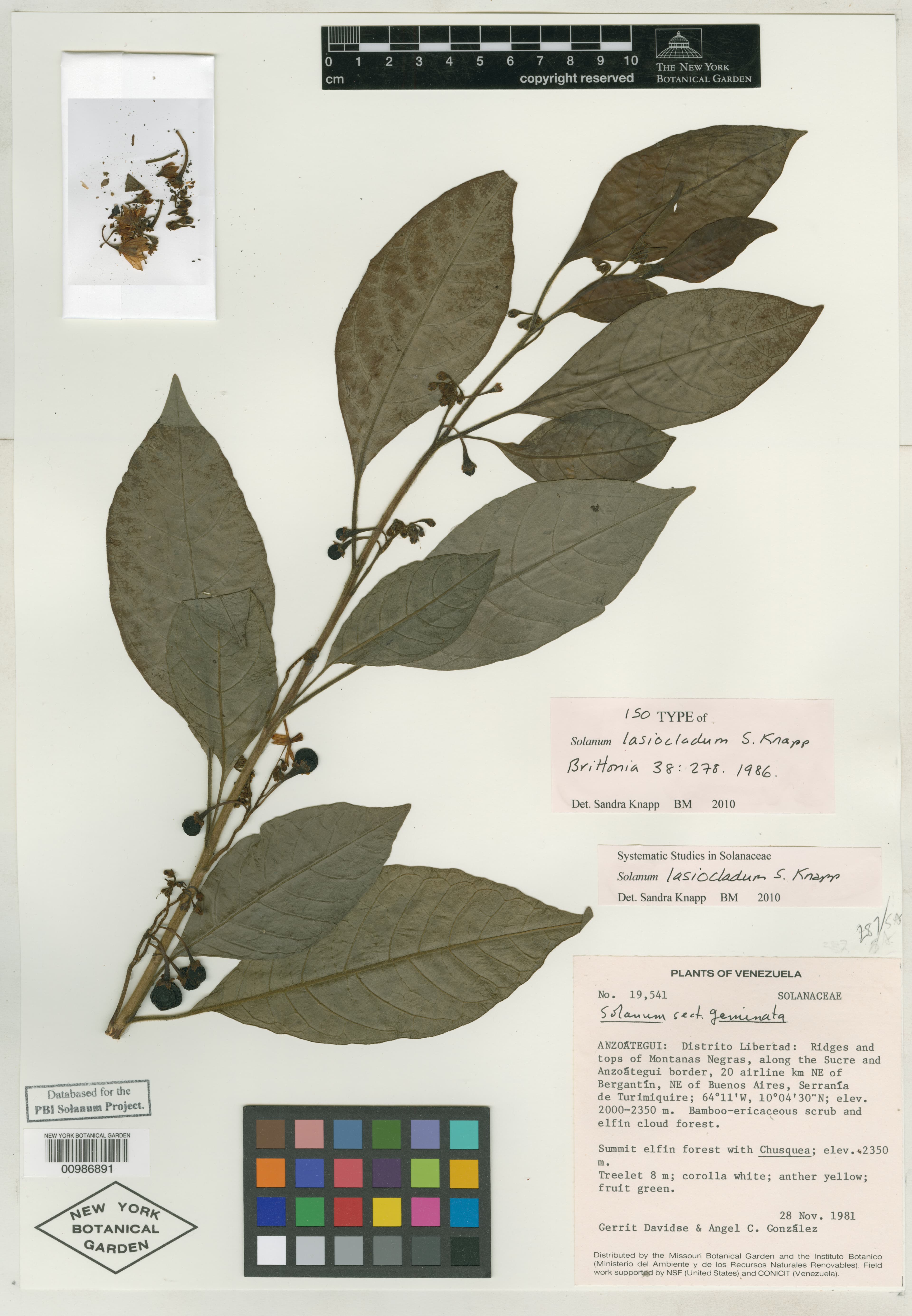
Cestrum sprucei
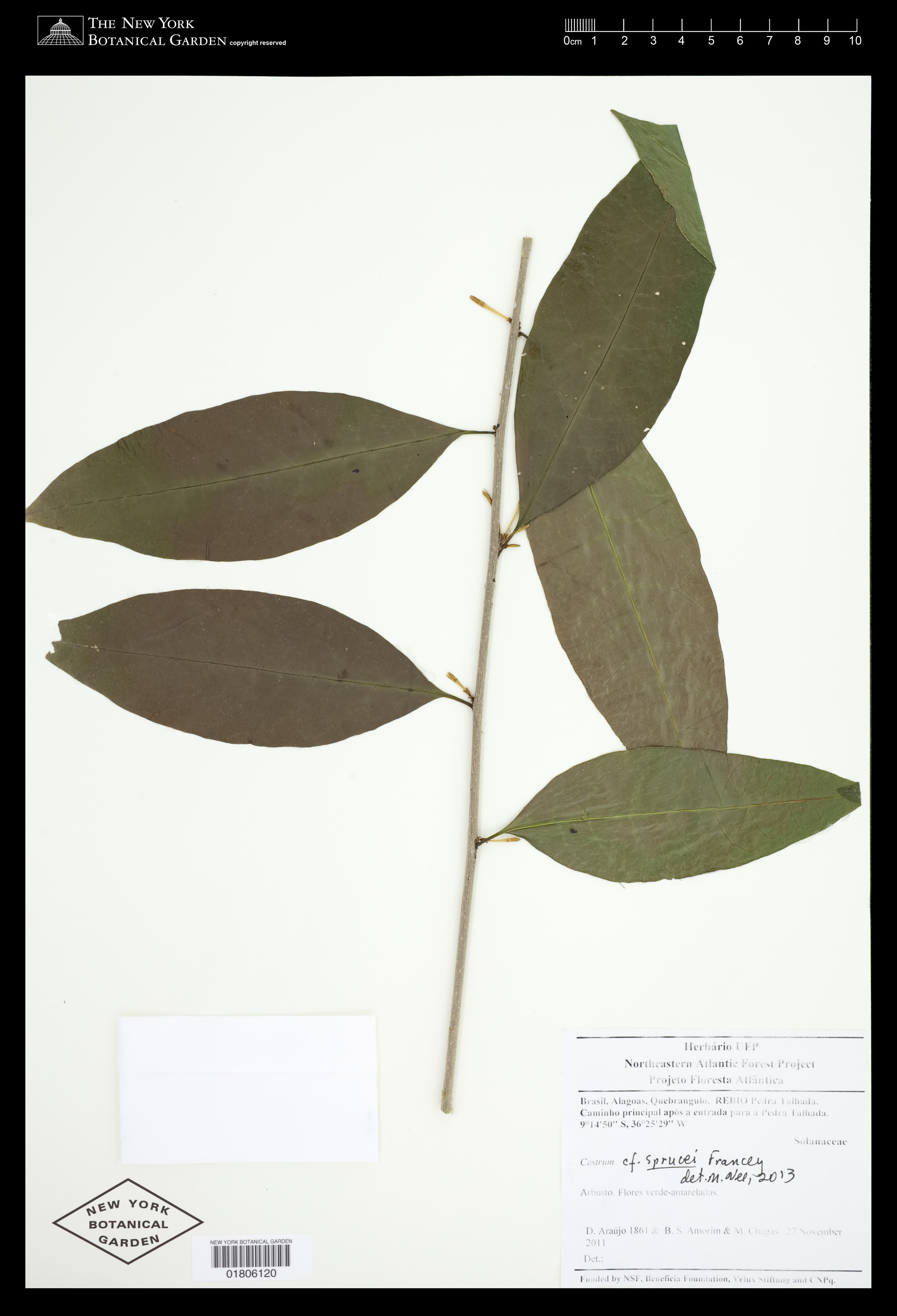
Image: The New York Botanical Garden (cc-by)
NameCestrum sprucei
Scientific NameCestrum sprucei Francey
Plant FamilySolanaceae
Natural HabitatNative to the Atlantic Forest biome in northeastern Brazil, specifically found in the state of Alagoas within the REBIO Pedra Talhada. It thrives in tropical forest environments.
Parts Usedleaf,bark
Medicinal Actionsantimicrobial, anti-inflammatory
Traditional UsesTraditional uses for species within the Cestrum genus often include external application of leaf poultices for skin conditions, wounds, or localized pain. Internal use is generally approached with extreme caution due to potential toxicity, though some species have been historically used as febrifuges or purgatives in very small, controlled doses.
Active Constituentssteroidal saponins, alkaloids, flavonoids
Preparation Methodsinfusion, decoction, poultice
Contraindications & WarningsMany Cestrum species are considered toxic, containing steroidal saponins and alkaloids that can cause gastrointestinal upset, neurological symptoms, and cardiac issues if ingested. Internal use is not recommended without expert guidance. Avoid during pregnancy and lactation.
Cultivation NotesPrefers tropical to subtropical climates with well-drained soil and partial to full sun exposure. Requires consistent moisture but is generally hardy once established.
Rarityuncommon
Description
Cestrum sprucei is a woody plant species, characterized by simple, alternate, entire-margined leaves. The specimen displays a stem with ovate to elliptic leaves, typical of the genus Cestrum.