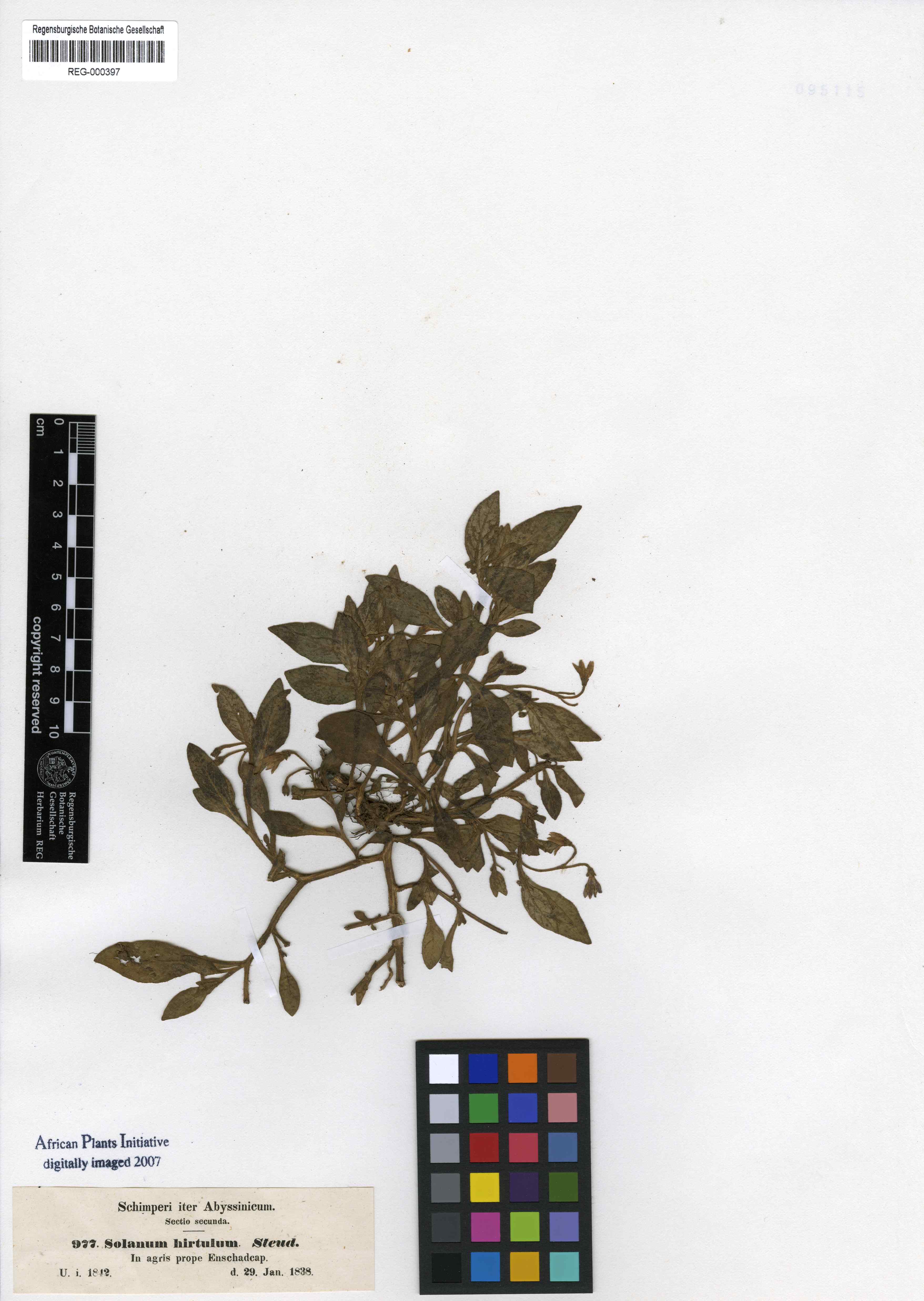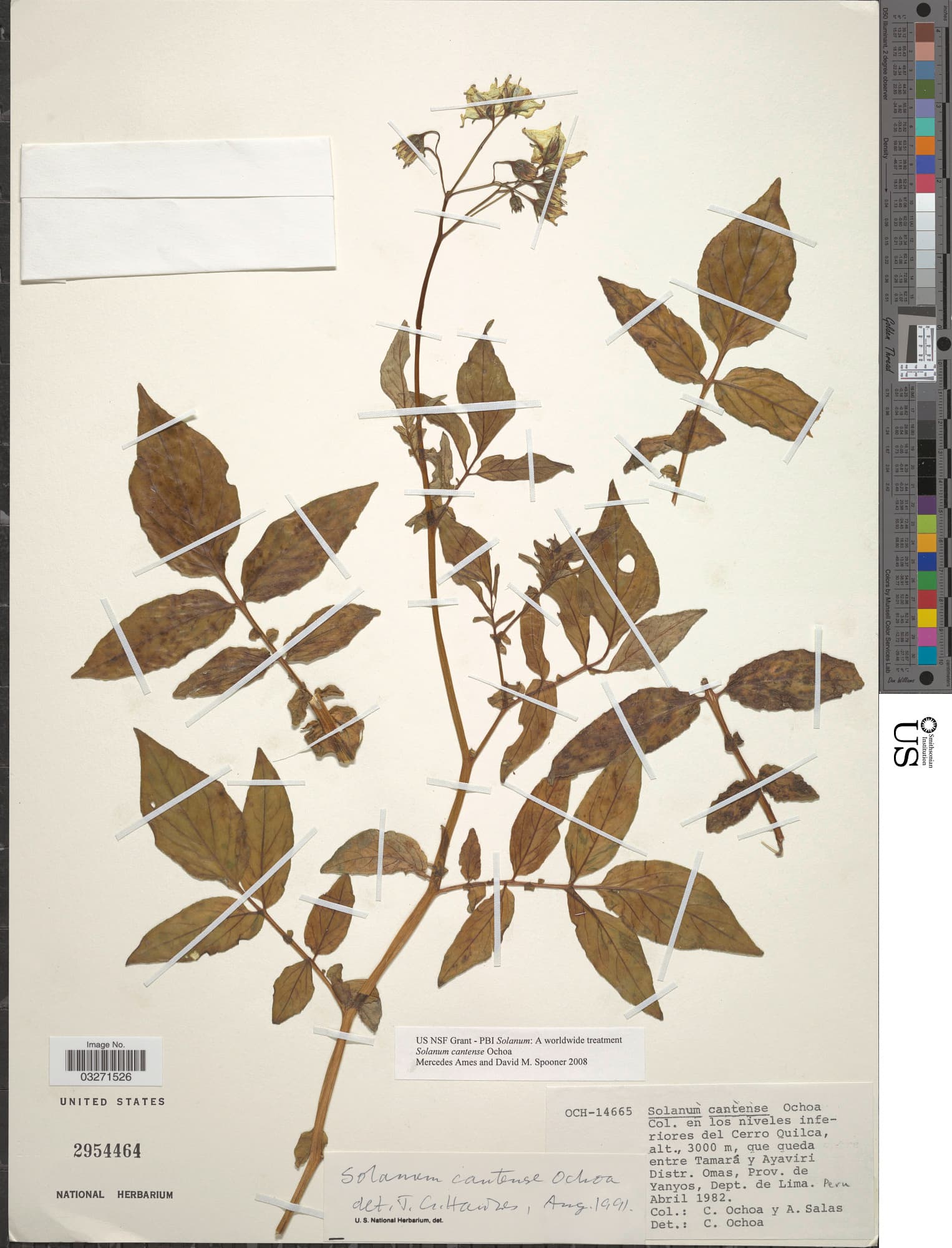
Solanum cantense
Image: Conveyor Belt (cc0)
NameSolanum cantense
Scientific NameSolanum cantense Ochoa
Common NamesWild Potato
Plant FamilySolanaceae
Natural HabitatNative to the Andean region of Peru, specifically found at altitudes around 3000 meters in areas like Cerro Quilca, between Tamarà and Ayaviri in the Lima Department.
Parts Usedroot,leaf
Medicinal Actionsanti-inflammatory, antimicrobial
Traditional UsesTraditionally, wild potato species like Solanum cantense are primarily valued for their tubers as a food source, often requiring processing to reduce toxic glycoalkaloids. Some Solanum species have been used topically in traditional medicine for their potential anti-inflammatory or analgesic effects, though internal use of aerial parts is generally cautioned due to toxicity.
Active ConstituentsGlycoalkaloids, Steroidal saponins, Flavonoids
Preparation Methodsdecoction, poultice, powder
Contraindications & WarningsDue to the presence of glycoalkaloids, raw or improperly prepared parts of Solanum cantense can be toxic. Contraindicated for internal use without expert guidance, especially for pregnant or lactating individuals, and those with gastrointestinal issues. Topical use should also be approached with caution.
Cultivation NotesPrefers high-altitude, cool climates with well-drained, fertile soil. Requires full sun exposure. Propagated from tubers or seeds.
Rarityuncommon
Description
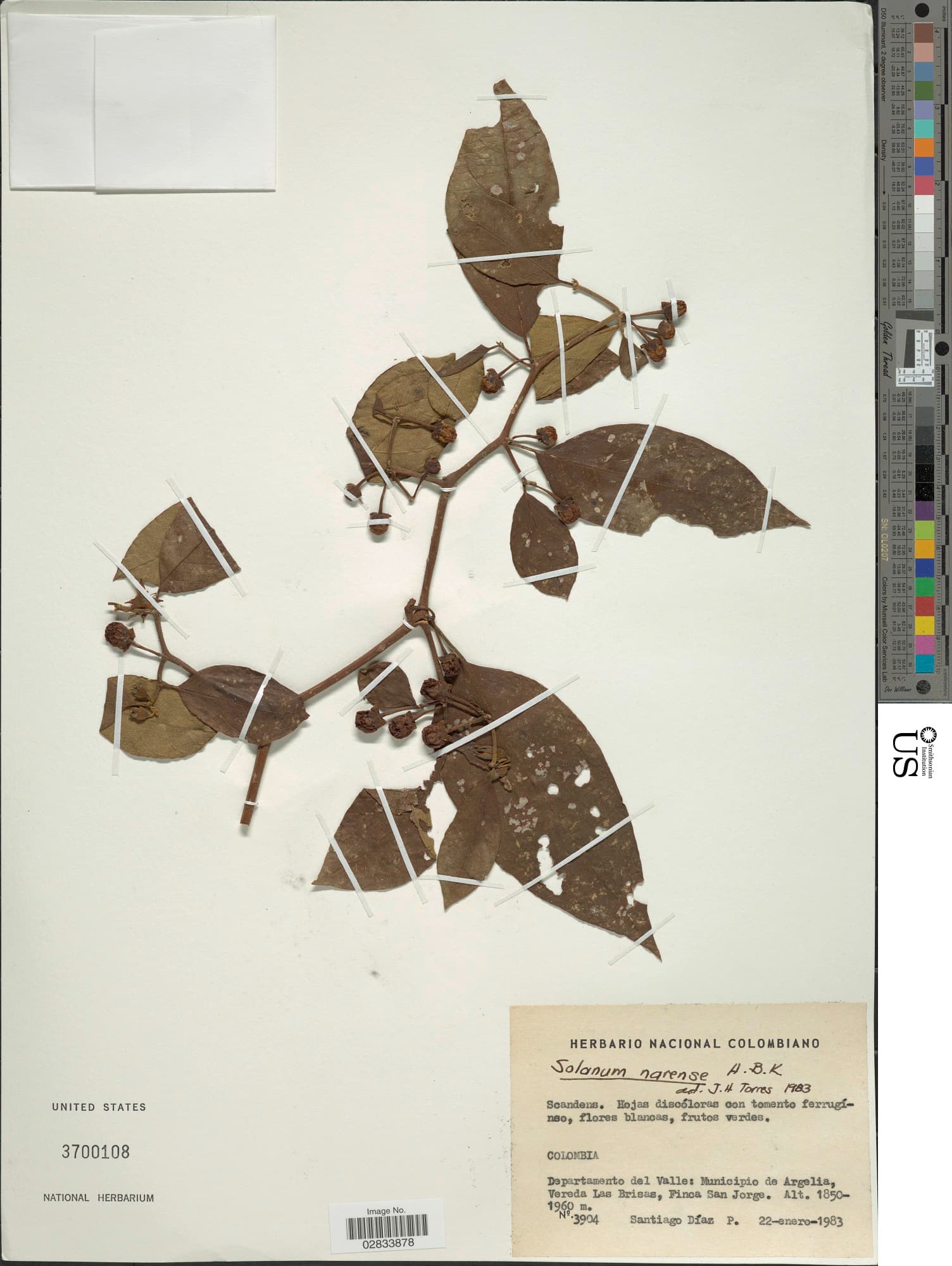
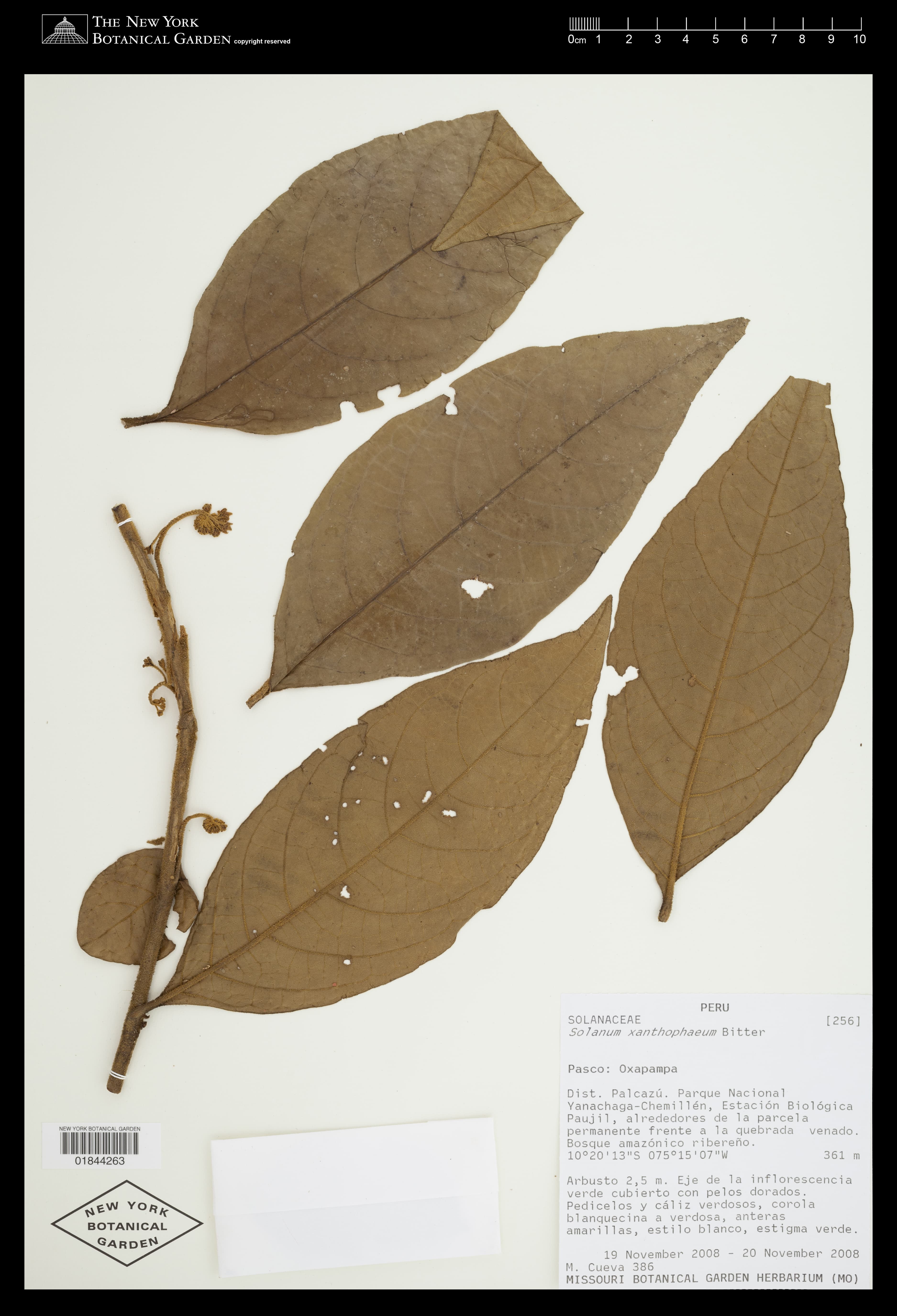
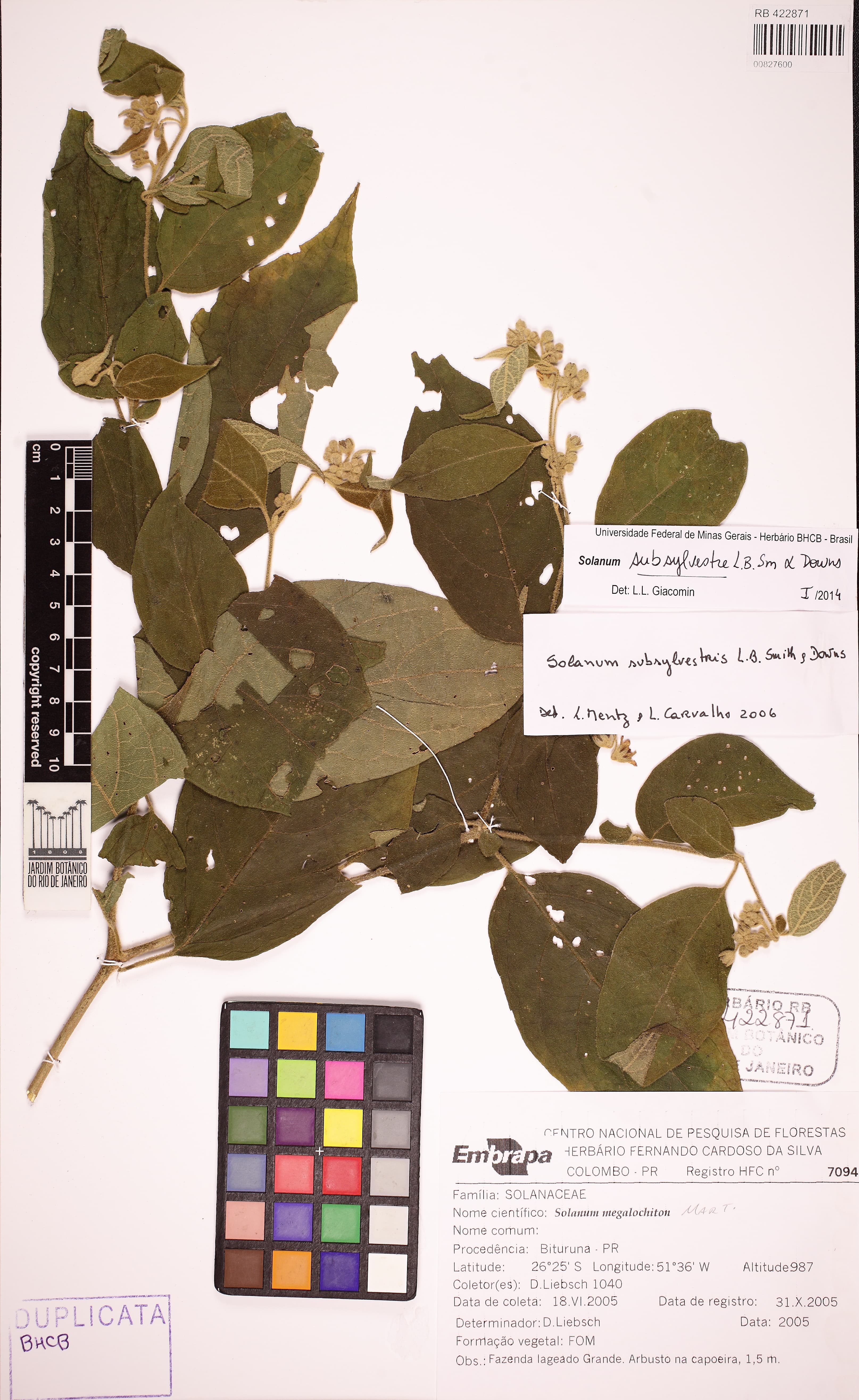
Solanum cantense Ochoa is a herbaceous perennial plant, likely characterized by its alternate, pinnately compound or deeply lobed leaves and small, typically star-shaped flowers arranged in terminal or axillary inflorescences. The specimen shows dried foliage and flowers, typical of a wild potato species.