Sprawling Solanum
NameSprawling Solanum
Scientific NameSolanum carolinense
Common NamesCarolina Horsenettle, Horsenettle, Apple of Sodom
Plant FamilySolanaceae
Natural HabitatCommonly found in disturbed areas such as fields, pastures, roadsides, and waste grounds. It thrives in full sun and a variety of soil types, often indicating poor soil conditions.
Parts Usedroot,leaf,fruit
Medicinal Actionsanalgesic, sedative, anti-inflammatory, diuretic
Traditional UsesTraditionally, various parts of the plant, particularly the root and berries, have been used by Native American tribes for their narcotic and sedative properties, often for toothaches or as a treatment for scrofula. The berries were sometimes applied externally for skin conditions, but internal use was highly cautioned due to toxicity.
Active Constituentssolanine, solasodine, steroidal glycoalkaloids
Preparation Methodsdecoction, poultice, tincture
Contraindications & WarningsAll parts of the plant are toxic if ingested, especially the unripe berries, due to the presence of solanaceous glycoalkaloids. Symptoms of poisoning include nausea, vomiting, diarrhea, abdominal pain, headache, dizziness, and in severe cases, cardiac arrest or respiratory paralysis. It is contraindicated in pregnancy, lactation, children, and individuals with liver or kidney conditions. Avoid internal use.
Cultivation NotesConsidered a noxious weed in many regions, Sprawling Solanum is highly adaptable and difficult to eradicate. It prefers full sun and can grow in poor, disturbed soils. It propagates aggressively by both seeds and an extensive rhizome system.
Raritycommon
Description
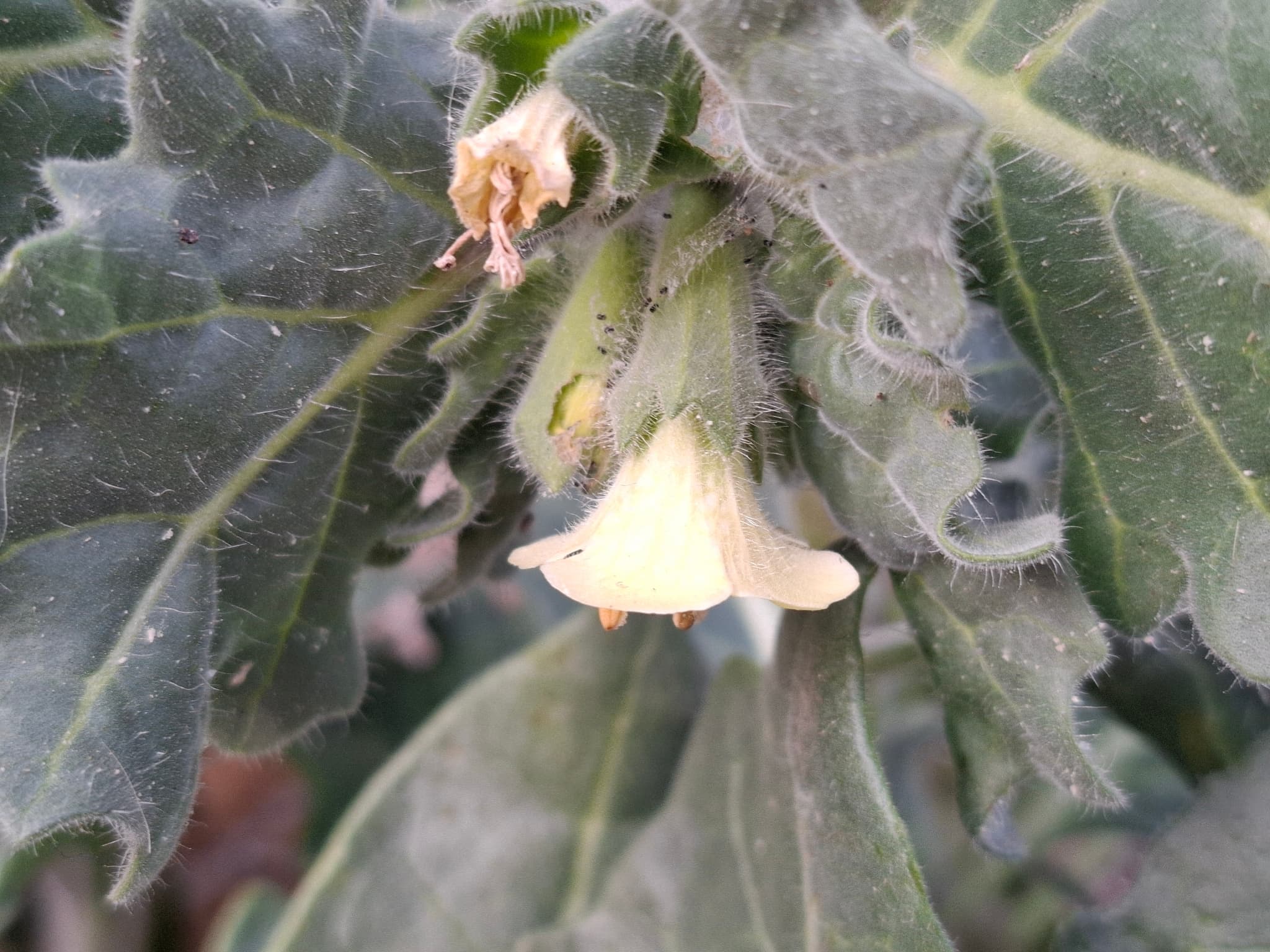
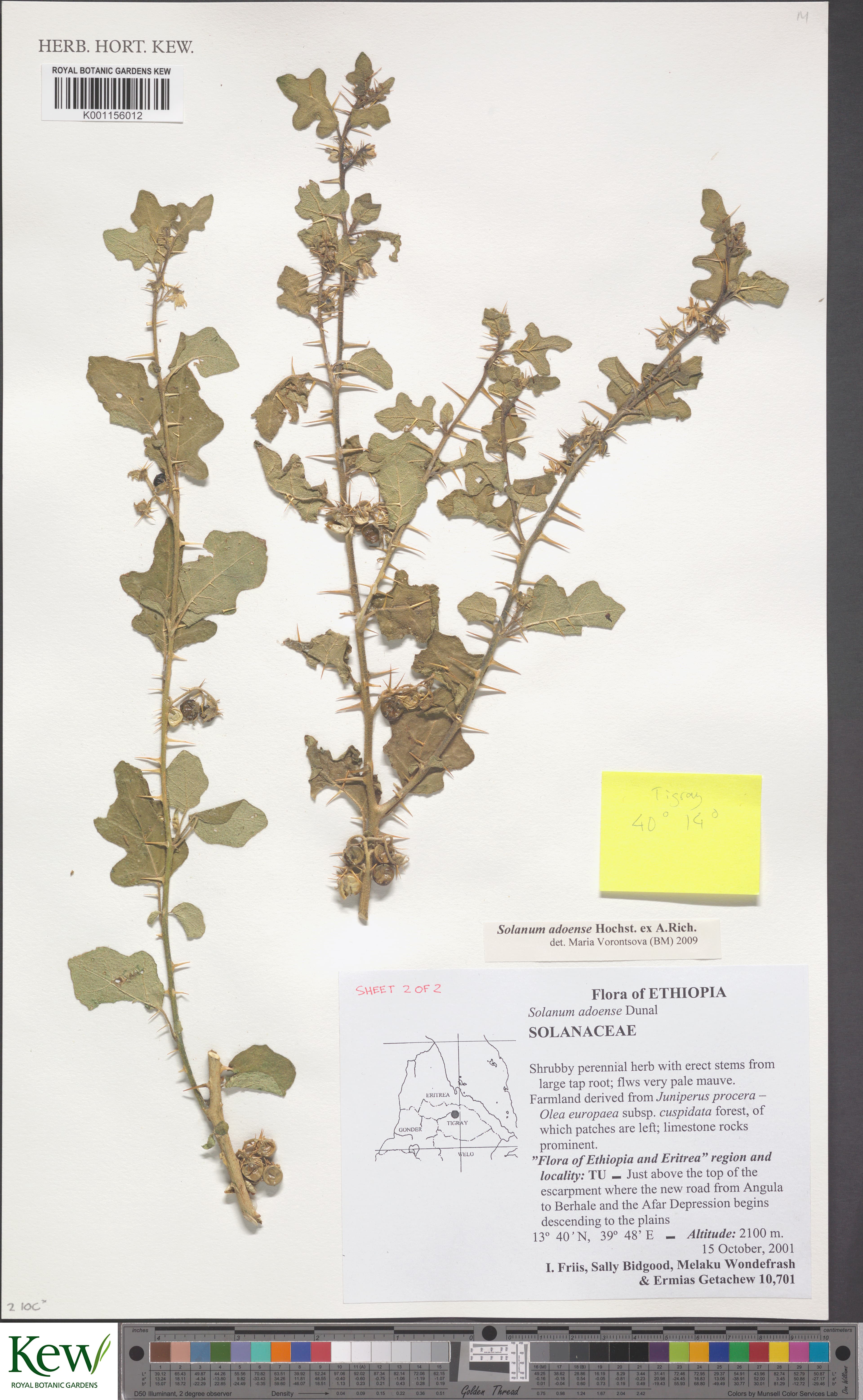
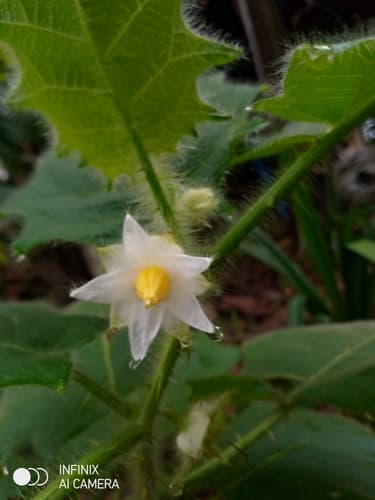
A perennial herbaceous plant characterized by its prickly stems and deeply lobed, wavy-margined leaves, which are also often prickly. It produces clusters of star-shaped, pale purple to white flowers with prominent yellow anthers, followed by small, round, yellow-orange berries.