Solanum whalenii
NameSolanum whalenii
Scientific NameSolanum whalenii
Plant FamilySolanaceae
Natural HabitatNative to montane forests and disturbed areas of Bolivia and Peru, typically found at moderate elevations.
Parts Usedleaf,fruit
Medicinal Actionsanti-inflammatory, antimicrobial, analgesic
Traditional UsesSpecific traditional medicinal uses for Solanum whalenii are not well-documented in ethnobotanical literature. However, many species within the Solanum genus are traditionally used for their anti-inflammatory, analgesic, and antimicrobial properties, often applied topically for skin conditions or pain, though internal use is rare and highly cautioned due to toxicity.
Active Constituentssteroidal glycoalkaloids
Preparation Methodspoultice, tincture
Contraindications & WarningsAs with many Solanum species, Solanum whalenii is presumed to contain toxic steroidal glycoalkaloids, particularly in unripe fruits and leaves. Ingestion can cause severe gastrointestinal upset, neurological symptoms, and can be fatal. Topical use should also be approached with extreme caution due to potential skin irritation or absorption. Specific safety data for this species is lacking.
Cultivation NotesPrefers well-drained soil and a warm, humid climate, typical of its native montane forest habitat. Can be grown from seed. Requires protection from frost. Cultivation is primarily for botanical study rather than widespread horticultural or medicinal use.
Rarityuncommon
Description
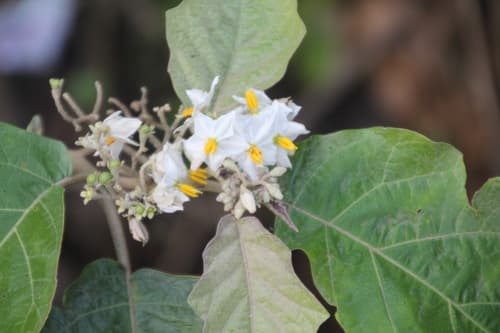
Solanum whalenii is a shrub or small tree, typically growing up to 3 meters tall. It features large, ovate to elliptic leaves, often with shallow lobes and a velvety texture due to stellate hairs. The plant produces clusters of white, star-shaped flowers with prominent yellow anthers, followed by small, spherical fruits.