Solanum trinominum
NameSolanum trinominum
Scientific NameSolanum trinominum
Common NamesPurple Nightshade relative, Solanum species
Plant FamilySolanaceae
Natural HabitatDiverse, often found in disturbed soils, open woodlands, and coastal regions, depending on the specific species within the Solanum genus. Many thrive in temperate to subtropical climates.
Parts Usedleaf,flower,fruit
Medicinal Actionsanalgesic, anti-inflammatory, sedative
Traditional UsesWhile 'Solanum trinominum' is not a recognized species, many plants within the Solanum genus have been traditionally used with extreme caution. Some species are employed for their analgesic and anti-inflammatory properties, often in topical applications for skin ailments or pain. Internal use is generally restricted to very small, controlled doses due to the presence of toxic alkaloids, sometimes for sedative effects.
Active Constituentssteroidal glycoalkaloids, solanine, solamargine
Preparation Methodspoultice, tincture, decoction
Contraindications & WarningsDue to the presence of toxic steroidal glycoalkaloids, all parts of many Solanum species can be poisonous if ingested in sufficient quantities. Contraindicated in pregnancy, lactation, children, and individuals with liver or kidney conditions. Interactions with other medications are possible. Extreme caution and expert guidance are required for any medicinal use.
Cultivation NotesMany Solanum species are adaptable, growing in full sun to partial shade in well-drained soil. They can be propagated by seed or cuttings and are often resilient. Some species are considered weeds or invasive in certain regions.
Raritycommon
Description
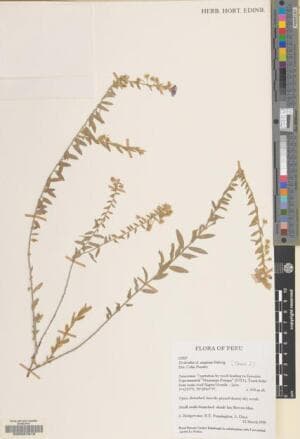
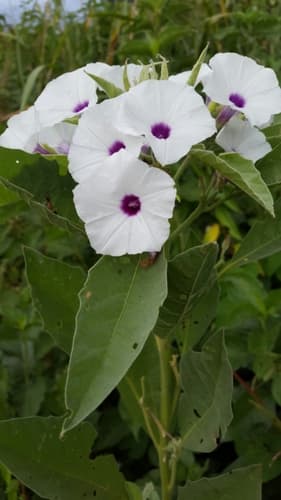
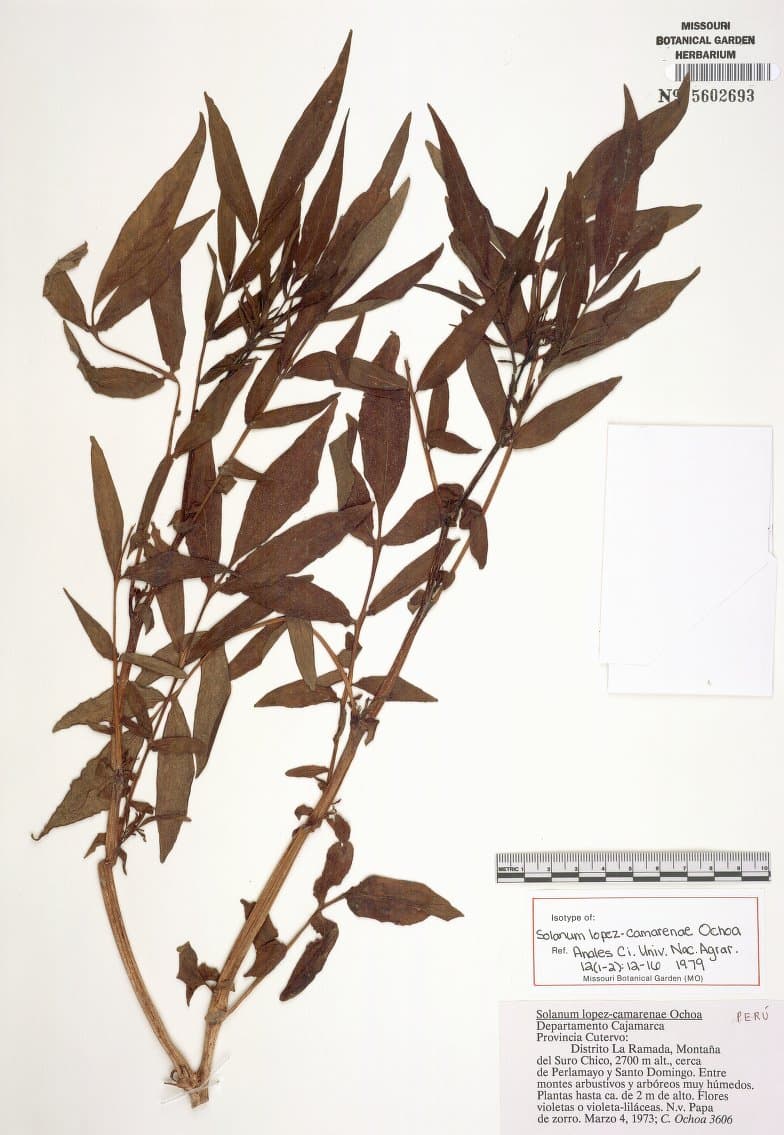
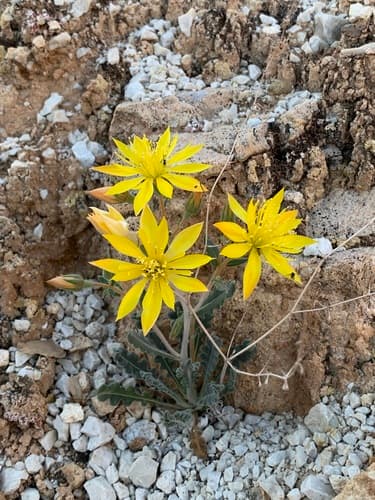
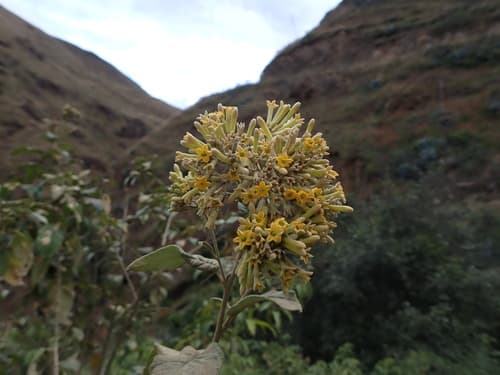
This plant features characteristic five-petaled, star-shaped flowers, typically purple or lavender with a darker central eye. Prominent yellow anthers are fused into a cone, a hallmark of the Solanum genus. The foliage appears somewhat fleshy or lobed, typical of many species within this diverse family.